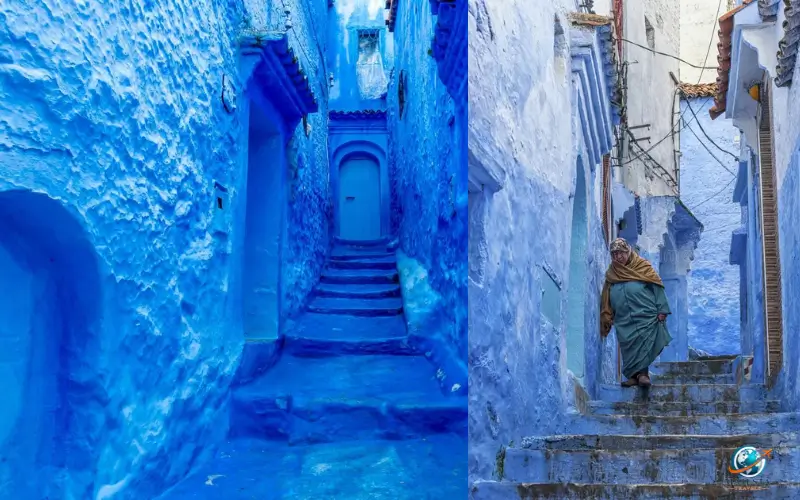
While Central Africa is known for its breathtaking beaches, rainforests, and cultural highlights, food is another major attraction. Equatorial Guinea Food is known for its mix of African and Spanish influences, offering a variety of unique and flavorful dishes. The traditional meals of the country are made using fresh seafood, cassava, plantains, rice, nd tropical fruits.
The locals have plenty to offer: authentic local dishes can be found in local markets, street food stalls, and family-run restaurants. Here are some of the dishes, ingredients, customs, and tips for traveling while in Equatorial Guinea and finding the very best of the country’s cuisine.
Location of Equatorial Guinea
Equatorial Guinea is a small country located on the west coast of Central Africa. It borders Cameroon to the north, and the Atlantic Ocean to the west, while the east borders Gabon, and the south borders both Gabon and the Republic of Congo. It comprises a mainland area, called Río Muni, and several islands, including Bioko Island, on which the capital city of Malabo is located. The tropical climate, coastal location, and fertile soil produce fresh seafood, tropical fruits, cassava, and plantains, ns which are key components of the local cuisine.
How to Reach Equatorial Guinea
Equatorial Guinea is primarily accessible by air via Bioko International Airport (Malabo) or Bata Airport (on the mainland). The majority of foreign visitors come via the main cities of Madrid, Istanbul, Addis Ababa, or Casablanca. Domestic flights, ferries, taxis,s and buses provide better connections between various parts of Equatorial Guinea and help explore local attractions, markets, ts, and food spots.
By Air
The majority of all international visitors to Equatorial Guinea enter via the Malabo International Airport on Bioko Island. The airport is served by several flights from Africa and international destinations, and it is the main airport for entering the country.
By Connecting Flights
Many cities in the U.S. do not have direct flights to Equatorial Guinea, so one usually lands in a major airport, like Addis Ababa, Casablanca, Istanbul, Madrid, or Douala, before going to Equatorial Guinea.
By Sea
Cargo and private ships sometimes land in ports in Equatorial Guinea, but tourists do not often travel by sea. Air travel will continue to be the quickest and easiest means of entry.
Domestic Transportation
After arriving in Equatorial Guinea, visitors can reach the islands from the mainland and vice versa by means of domestic flights, taxis, private vehicles,s or ferries, such as the line connecting the two cities of Malabo and Bata.
Understanding the Food Culture of Equatorial Guinea
Food in Equatorial Guinea is closely linked to family traditions and local agriculture. Fresh ingredients from nearby farms, rivers, forests, and the sea are used for the majority of meals. Due to the nation’s history as a Spanish colony, there are plenty of recipes that feature touches of Spanish cooking as well.
Basic foods like cassava, rice, plantains, and yams are often the main ingredients of meals. They are used in filling foods, such as fish, chicken, beef,f and vegetables, and eaten across the nation.
In many communities, meals are an important aspect of social events and celebrations. People visiting may see that food is generally served family style, a strategy to get them to sit with one another and talk to each other.
Main Ingredients Used in Equatorial Guinea Cuisine
Many of the ingredients are common to local recipes. Knowing them will aid travellers to recognise food and place orders with confidence.
Common Ingredients
- Cassava
- Plantains
- Rice
- Sweet potatoes
- Fish
- Shrimp
- Crab
- Chicken
- Palm oil
- Peanuts
- Tomatoes
- Onions
- Tropical fruits
These ingredients are the basic ingredients of some of the traditional dishes that are used all over the country.
Read Also: Best Beaches Near Barcelona
Traditional Foods You Should Try
Food is one of the best ways to learn the local culture. Here are some of the most popular examples of dishes from Equatorial Guinea.
Pepesup
Pepesup is a spicy soup often made with fish, chicken, or goat meat. High in peppers, herbs,s and local seasonings, it’s a rich, warming flavor. This dish is a popular family dish and a favorite for special events.
Succotash-Style Bean Stews
A local bean stew is eaten throughout the country. They are commonly used to add flavour to vegetables, spices, and sometimes meat or fish. These rustic meals are both healthy and delicious.
Grilled Fish
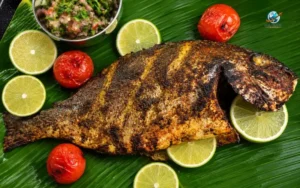
The availability of fresh fish is due to the country’s coastal location. Fish is usually enjoyed with rice, cassava, or fried plantains. Seafood is often one of the freshest foods available in coastal towns.
Cassava-Based Dishes
Cassava is a very significant staple food in Equatorial Guinea. It can be boiled, mashed, fried, or ground into flour and used to make various recipes.
Plantain Dishes
The plantains are cooked in various ways, such as fried, boiled, baked,d or grilled. They are commonly served with meats and seafood dishes as a side.
Popular Equatorial Guinea Foods and Their Main Ingredients
| Dish | Main Ingredients | Common Serving Style |
| Pepesup | Fish, peppers, herbs | Soup |
| Grilled Fish | Fresh fish, spices | Main course |
| Cassava Meal | Cassava root | Side dish |
| Bean Stew | Beans, vegetables | Main course |
| Fried Plantains | Plantains, oil | Side dish |
Seafood in Equatorial Guinea
Seafood is a significant food item in the region. Fish and shellfish come in a variety of types and are available on the Atlantic coast. Seafood is a common item on the menu at restaurants and eateries around the world.
Popular seafoods include:
- Snapper
- Tuna
- Shrimp
- Crab
- Lobster
- Barracuda
Many restaurants cook seafood in a simple way that enhances its natural flavor. Grilling is still a popular method of cooking.
As seafood is so significant, it’s a huge part of authentic Equatorial Guinea food experiences.
Street Food Experiences
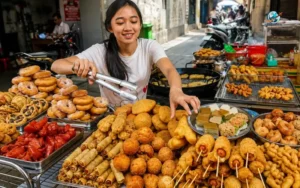
Street food is a great way to try local cuisine for a low price. Vendors are usually located in markets, transportation hubs, and bustling urban areas.
Some of the popular street foods are:
- Roasted plantains
- Grilled fish skewers
- Fresh fruit
- Roasted peanuts
- Fried cassava snacks
Street food offers visitors a chance to connect with their local culture and savor local cuisine. Like traveling anywhere on the planet, it is sensible to pick vendors who have sound hygiene practices.
Fruits and Tropical Produce
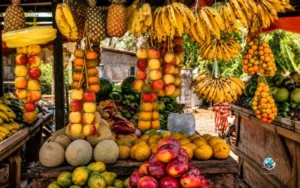
The tropical climate in Equatorial Guinea is suitable for various fruits and vegetables. Fresh fruits and vegetables are available all year round and can be eaten in many meals, desserts, and drinks.
Common fruits include:
- Mangoes
- Pineapples
- Papayas
- Bananas
- Coconuts
- Oranges
The fruits are often sold at local markets and roadside markets. They are a popular choice for healthy snacks to be eaten on guided tours.
Traditional Drinks
There are several options when it comes to the drinks one can get throughout the country. Fruits that are local are used to make some drinks, and others show Spanish and international influences.
Popular beverages include:
- Fresh fruit juices
- Coconut drinks
- Coffee
- Tea
- Soft drinks
Fresh fruit juices are very popular, particularly owing to the availability of abundant tropical fruit and vegetables all over the country.
Dining Etiquette and Food Customs
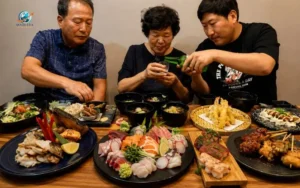
Familiarity with local culture will enhance the traveling experience.
Helpful Dining Tips
- When eating, greet people (before).
- Be patient and wait for the hosts to start eating.
- Appreciate home-cooked meals.
- Take meals when offered.
- Respect local traditions.
Eating is a part of hospitality. Guests with respect to local customs are usually warmly welcomed.
Read Also: Best Places to Visit in Croatia
Best Places to Try Local Food
Equatorial Guinea’s food can be savored in various places across the country.
Local Markets
There are opportunities in the markets to find new ingredients for ready-to-eat snacks. They are also useful as a representation of everyday life.
Family-Owned Restaurants
Typically, locally owned restaurants have traditional, handed-down recipes.
Coastal Seafood Restaurants
These places serve locally caught seafood and local cuisine.
Hotels
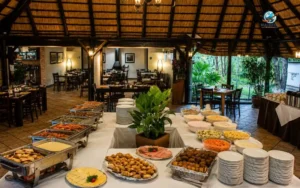
A lot of hotels offer local cuisine on their menus, and it is easy for foreign tourists to taste local dishes.
Food Regions of Equatorial Guinea
The country’s cuisine varies slightly depending on location.
| Region | Food Characteristics |
| Mainland Region | Cassava, meat dishes, stews |
| Coastal Areas | Seafood-focused cuisine |
| Island Regions | Fish, tropical fruits, and coconut flavors |
| Urban Centers | Mix of traditional and international dishes |
Regional differences make exploring Equatorial Guinea’s food even more enjoyable for travelers.
Why Food Matters to Travelers
Food is a way for visitors to the museum to connect with local culture that no museum or attraction can offer. Each meal is a history, a geography, an agriculture, and a tradition.
Eating locally grown food can benefit travelers:
Understand the meaning of culture and cultural heritage. Know about cultural heritage.
- Support local businesses
- Experience authentic traditions
- Discover new flavors
- Create memorable travel experiences
For many of the visitors, the meals are part of the reason why they love the trip.
Travel Tips for Food Lovers
If you are going to try local food on your visit, here are some tips.
Before Ordering
If you have any dietary requirements, ask about ingredients. Seafood, peanuts, ts, or spicy peppers are optional ingredients for some dishes.
Stay Hydrated
A tropical climate can be warm and humid; hydration is important.
Explore Beyond Hotels
Hotels are convenient, but local restaurants are better for a more authentic taste of Equatorial Guinea’s cuisine.
Visit Local Markets
Markets are a place to see fresh produce and traditional cooking.
Try Seafood
One of the highlights of the country’s cuisine is fresh seafood, and it should not be overlooked.
Is Equatorial Guinea’s food spicy?
There are peppers and spices in some dishes, but not all meals are really spicy. Others who wish to eat food that is not too spicy may be able to ask for a food that has less spice. Most restaurants are open to providing information about the amount of ingredients.
Many tourists enjoy the taste of Equatorial Guinea due to the balance of flavours. The cooking is fresh, simple, and uses local ingredients, not just heat.
The Influence of Spanish Cuisine
Many aspects of life, such as food, still have a Spanish imprint. Historical links with Spain can be found in some of the recipes, ingredients, and the layout of the meals.
Visitors may notice:
- Rice-based dishes
- Grilled meats
- Seafood recipes
- European-style bread
- Coffee culture
All these influences are blended into the African culture, making a unique national cuisine.
Read Also: Split Croatia Travel Guide – Best Things to Do, Beaches, Food & Travel Tips
Ao Nang Beach Guide – Islands, Sunsets, Food and Adventure
Sensō-ji Temple Tokyo Travel | Things to Do, History, Street Food & Complete Visitor Guide
Conclusion
Food is one of the most rewarding aspects of visiting this unique Central African destination; exploring Equatorial Guinea’s food is part of that. Their cuisine is rich in traditions, and what they have to offer is diverse, including fresh seafood, cassava dishes, tropical fruits, and traditional soups.
People who have a little time to taste some of the local food understand more about the life of ordinary citizens in Equatorial Guinea. Food connects to country and people, whether it’s eating at a family-run restaurant, going to a local market,t or eating freshly grilled fish by the coast. Eating real Equatorial Guinea cuisine should be a must when traveling to the country.
FAQs
What’s the most favorite food in Equatorial Guinea?
Popular foods include grilled fish, cassava dish, es, and fried plantains.
Does Equatorial Guinea have spicy food?
Peppers are included in some dishes, and many meals are just moderately spicy.
What are the popular seafoods in Equatorial Guinea?
Atlantic seafood, such as fish, shrimp, crab, and lobster, is plentiful.
What is the primary diet of a person?
Cassava is one of the major staple foods of the nation.
Is vegetarian food available?
Yes. Beans, vegetables, rice, plantain,s and cassava are many components of meals.
Which fruits do people normally consume?
Favourites are mangoes, pineapples, papaya, bananas,s and coconuts.
What are the places to eat local food?
Authentic restaurants, seafood joints, family-owned and run restaurants, markets, and other local places offer the best authentic dining experiences.