Chefchaouen, located in the heart of the Rif Mountains, is one of the most picturesque places in Morocco. This pretty mountain town is famous for its blue-painted streets, historic medina, beautiful mountain scenery, and laid-back lifestyle.
Chefchaouen is a slower city that is not as busy as Marrakech and Fes. They visit this place to get lost in the charming alleyways and immerse themselves in the culture, traditional Moroccan food, and the best photo opportunities in North Africa.
From Morocco itinerary ideas and places to visit, to hidden gems, and top Morocco activities, this guide has got you covered before traveling to the Moroccan region.
Why Visit Chefchaouen?
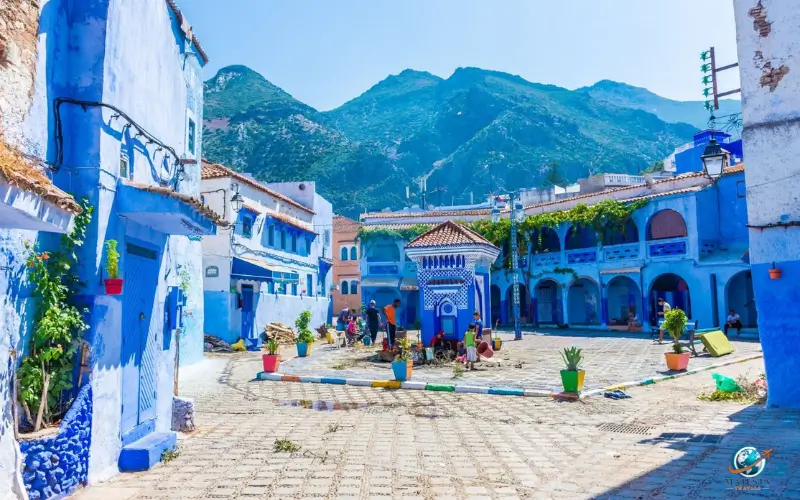
There are several reasons why Chefchaouen is one of the best travel destinations in Morocco:
- Noted blue-painted streets and buildings
- Gorgeous place in the Rif Mountains.
- A rich Andalusian and Moroccan heritage.
- The relaxed vibe of the city is different from the larger ones.
- Incredible hiking opportunities
- Village souks and craftsmen stalls
- Lovely vistas and sunset views.
- Great opportunities for taking pictures.
Its distinctive character has led to its nickname “The Blue Pearl of Morocco” or “The Blue City”.
1. Wander Through the Blue Medina
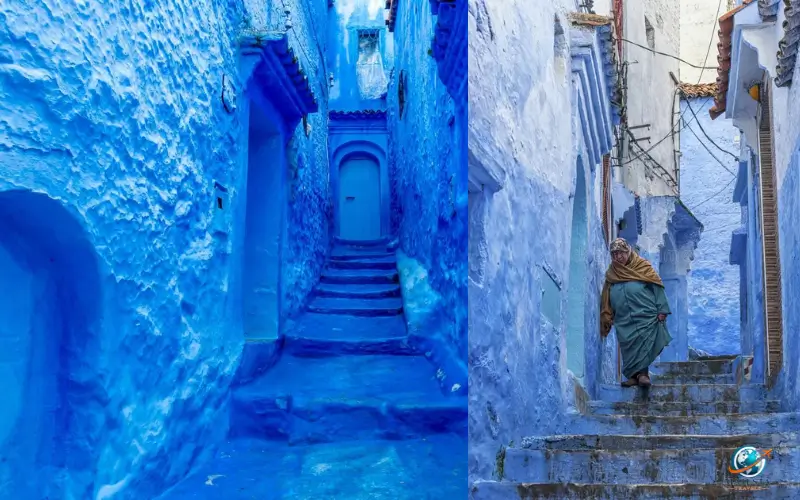
The historic town of Chefchaouen Blue City Morocco is certainly the most well-known. It’s as though you are walking through a dream when you walk through the narrow streets of the city. Almost all of the buildings, stairs, doors, and alleys are in various shades of blue. The hues range from sky-blue and turquoise to deep cobalt.
A lot of tourists wander around aimlessly for hours. Every corner has a splendid view to take photos of.
Why the Medina Is Special
A blend of traditional Moroccan and Andalusian architecture can be seen in the Medina. Buildings that have been whitewashed with blue paint set a serene scene which can’t be paralleled anywhere else in the world.
Visitors can enjoy:
- Colorful alleyways
- Decorative doorways
- Flower-filled courtyards
- Artisan workshops
- Small cafés
- Hidden staircases
Photography Tips
The best times to photograph the Medina are early in the morning. The streets are quieter, and the light hues of blue are enhanced by the soft light.
Popular photographic sites are:
- Blue staircases
- Decorative archways
- Flower-lined streets
- Traditional blue doors
- Hidden side alleys
Many visitors to Chefchaouen find walking through the Medina to be the best experience of their visit to the town.
2. Visit Plaza Uta el-Hammam
The Plaza Uta el-Hammam is the center of Chefchaouen. One of the city’s most popular meeting spots, this vibrant square is ringed by restaurants, cafes, historic structures, and local stores. The ideal spot to unwind at the end of a day of walking the blue streets of the Medina and immersing yourself in the atmosphere.
What Makes the Square Special?
The plaza is a public area where people gather to socialize and enjoy the community. Visitors can observe Moroccan daily life throughout the day and enjoy a glass of traditional Moroccan mint tea. The square is also a place of great cultural and historical importance, with many of Chefchaouen’s most important landmarks located within its boundaries, such as the historic Kasbah and the Grand Mosque. The evening is even more energetic, and the Blue City is even more laid-back as people come together to socialize, enjoy dinner at outdoor cafés, and have a great time.
The square offers:
- Outdoor cafés
- Traditional restaurants
- Local markets
- Historic architecture
- Great people-watching opportunities
Best Time to Visit
An evening is particularly festive, as families, travellers, and locals come out to socialise.
Many tourists opt for a rooftop restaurant with a view of the square for dinner and sunset scenes.
3. Explore the Kasbah Museum
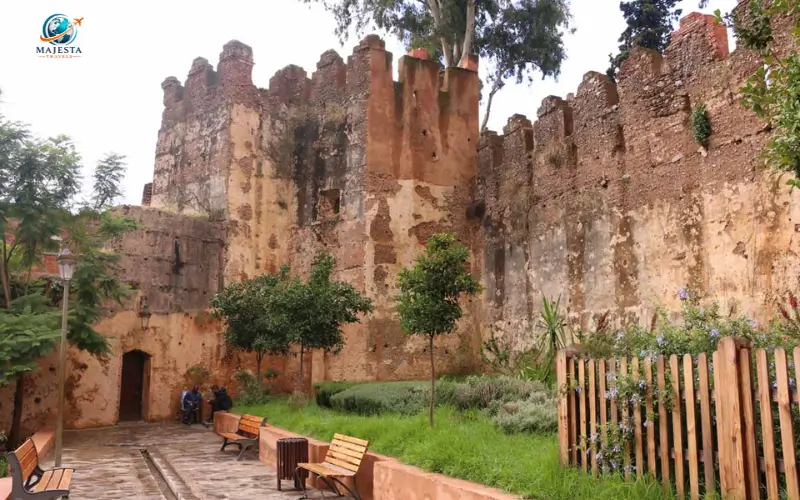
Located beside Plaza Uta el-Hammam, the Kasbah Museum is one of Chefchaouen’s most important historical attractions. The Kasbah was originally constructed in the 15th century and was used to defend the town against invaders, and was an important part of the city’s history.
Today, the Kasbah has been transformed into a museum that showcases the history, culture, and heritage of Chefchaouen and the surrounding Rif Mountains region. Its historic stone walls, calm gardens, and displays of traditional artifacts, photographs, and culture give visitors a chance to learn and explore. A visit is incomplete without a climb to the Kasbah Tower, where one can have a bird’s-eye view of the blue Medina, stretching out into the mountain landscape. If you want to explore more of Chefchaouen’s history, then the Kasbah Museum is an interesting place to learn a bit about it.
Highlights of the Kasbah
Visitors can explore:
- Historic fortifications
- Traditional Andalusian gardens
- Ethnographic exhibits
- Historical artifacts
- Cultural displays
The museum offers a wealth of information about the history of Chefchaouen and the surrounding Rif region.
Climb the Tower
The most enjoyable inside the Kasbah is climbing the old tower.
From the top of the building, visitors can see panoramic views of:
- The Blue Medina
- Plaza Uta el-Hammam
- The Rif Mountains
- Nearby valleys
This perspective is one of the best city photo opportunities.
4. Watch Sunset from the Spanish Mosque
One of the most popular viewpoints in Chefchaouen is the Spanish Mosque. It is a historic Mosque on a hill majestically overlooking the Blue City, offering spectacular panoramic views of the Blue City and its surrounding Rif Mountains.
The viewpoint is a popular spot for photographers and nature enthusiasts, as it is easily accessible from the Medina by a short hike. The best time to visit is in the late afternoon when the setting sun casts a warm glow over Chefchaouen’s blue-painted buildings and mountain landscape. Visitors have one of the finest views in northern Morocco from the top, as the city slowly starts to get lit up as night falls. The peaceful atmosphere and unforgettable scenery make the Spanish Mosque one of the must-visit attractions in Chefchaouen.
A Short Scenic Hike
It is a short walk uphill from the Medina to access the Spanish Mosque. This trail is relatively easy to follow and takes about 20-30 minutes. On the way, you’ll get views of Chefchaouen, the valley, and the Rif Mountains. The walk is an integral part of the experience, and there are several excellent viewpoints to stop and take in along the way before arriving at the viewpoint at the top.
Along the way, travelers can enjoy:
- Mountain scenery
- Local wildlife
- Valley views
- Unique perspectives of the town
Why Visit at Sunset?
The sunset makes Chefchaouen into a wonderful scene. The town forms an unforgettable scene as the golden light shines off the buildings, which are blue in colour. This is a popular spot for sunset photography for photographers in Morocco.
What to Bring
Bring the following to get the best experience:
- Water
- Comfortable walking shoes
- Camera
- Wear light jackets in cooler seasons.
Must Visit: Al Mamzar Beach Dubai | Travel Tips, Location, Things to Do
5. Visit Ras El Maa Waterfall
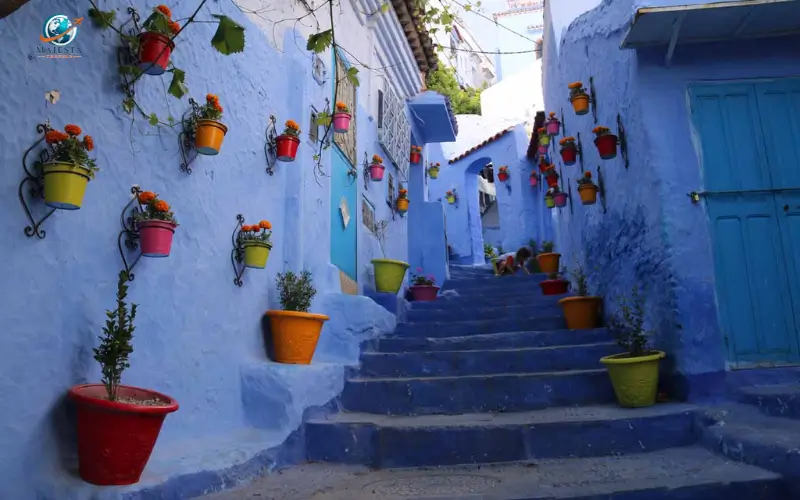
Located on the eastern edge of the Medina, Ras El Maa is one of Chefchaouen’s most relaxing attractions. It is so named because it is the head of the water and is a natural spring that provides fresh water to the town from the mountains.
Ras El Maa is located in a serene area, surrounded by the picturesque mountains of the Rif, which provide a calm and tranquil setting for visitors to enjoy a serene getaway from the hustle and bustle of the Medina’s streets. You can sit by the river and experience the fresh air of the mountains, as well as see people gather at this popular meeting place. Ras El Maa is a popular tourist destination as well as a place for locals to visit due to its natural beauty, refreshing water, and traditional atmosphere. It’s also a great spot for taking photos, particularly in the early morning or late afternoon when the light is best.
Why Tourists Love Ras El Maa
It is a popular destination for sightseers, as it provides a serene and tranquil environment for them to relax after exploring the hustle and bustle of the city.
Highlights include:
- Flowing mountain water
- Scenic surroundings
- Local culture
- Cool temperatures in the summer season
Experience Local Life
Ras El Maa is not just a destination for tourists. This is where people have come together and been for generations.
Visitors may see:
- Families relaxing
- Traditional washing activities
- Street vendors
- Musicians and performers
Best Time to Visit
The best times of day to go to the beach are in the morning hours and late afternoon. Ras El Maa is one of the most genuine experiences in Chefchaouen due to the flowing water, mountains, and traditional culture.
6. Shop in Chefchaouen’s Traditional Souks
The traditional souks of Chefchaouen are a must-see when visiting this town. The markets of Chefchaouen are less crowded and more fun than the larger and often overwhelming markets in Marrakech or Fes. The streets of the Medina are also quite narrow, with small shops selling local handicrafts and creating a charming atmosphere for visitors to explore.
The region’s Berber and Andalusian history is evident in many of the souks’ products. Colored woven blankets, handmade rugs, leather goods, pottery, jewelry, and traditional Moroccan products are available for visitors to purchase. Don’t find yourself in the markets looking to purchase, but rather immerse yourself in the local culture, be awed by the craftsmanship of artisans, and connect with the friendly shop owners. Shopping in Chefchaouen is one of the most enjoyable experiences in the Blue City, which is done at a slower pace and in an authentic setting.
What to Buy in Chefchaouen
Popular souvenirs include:
- Handwoven wool rugs
- Traditional Moroccan blankets
- Leather bags
- Handmade jewelry
- Ceramic pottery
- Wooden crafts
- Woven baskets
- Natural beauty products
A lot of products are made locally, so they are more authentic than those in the bigger places of tourists’ interest.
Tips for Shopping
Moroccans are known for bargaining. The prices are usually lower than in big cities, but it does not mean that the price is not negotiable.
These are some useful shopping hints:
- Check out the prices at different stores
- Carry cash
- Be respectful when negotiating
- Buy from local craftsmen if possible.
Shopping in Chefchaouen is not just to purchase souvenirs, but also to feel the way of life in the town.
7. Hike to Akchour Waterfalls
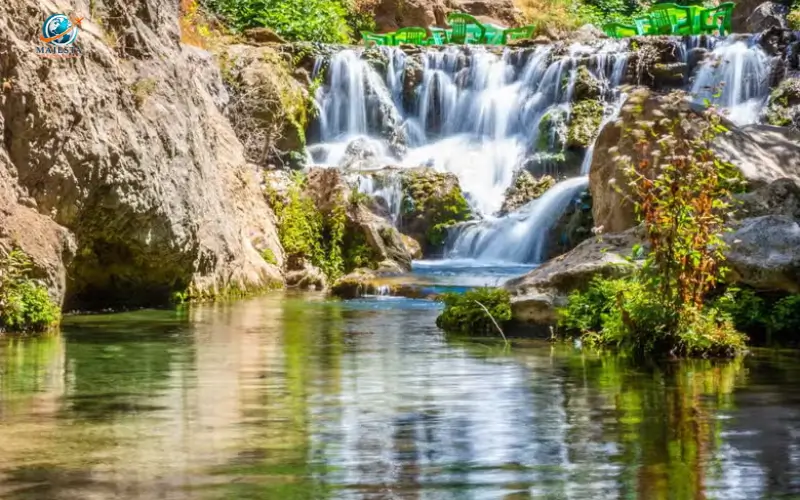
Located about 30 kilometers from Chefchaouen, Akchour Waterfalls is one of the most popular natural attractions in the Rif Mountains. It’s a popular place for nature enthusiasts and photographers, with its scenic hiking trails, crystal-clear pools, and stunning mountain views.
The hike passes through forests, rocks, and rivers to get to the waterfalls. In addition, Akchour is a great day trip destination, as many travelers head up to the nearby God’s Bridge, which offers stunning views of the surrounding area.
Why Visit Akchour?
Akchour offers:
- Crystal-clear pools
- Scenic mountain trails
- Waterfalls
- Natural swimming areas
- Incredible photography opportunities
It’s totally different from the blue streets of Chefchaouen and a breath of fresh air in nature.
Hiking Experience
The path to the waterfalls winds past a scenic river in Talassemtane.
Visitors can enjoy:
- Wooden bridges
- Flowing streams
- Forest landscapes
- Mountain viewpoints
An easy walk that is suitable for most visitors who have some fitness.
Best Time to Visit
Spring and early summer are especially beautiful as the water is full and the vegetation is green and lush.
You Also Like: Best Places to Visit in Croatia: Complete Travel Guide for First-Time Visitors
8. Discover God’s Bridge (Pont de Dieu)
God’s Bridge (Pont de Dieu) is one of the most outstanding natural attractions near Chefchaouen, a wonderful geological phenomenon that makes the night’s journey worthwhile.
Natural Formation
A natural rock arch, God’s Bridge, was eroded by the passage of thousands of years. Through the course of many years, these strong forces of nature- wind and water slowly eroded the limestone and formed a dramatic stone bridge over a deep gorge. The architecture seems to be designed – almost – but it is not; it is natural.
Scenic Landscape
Surrounding the arch is a stunning landscape with rocky cliffs, lush valleys, and the running water of a river far below. The sharp contrast between the solid red rock formation and the rich natural landscape renders it the most attractive location in northern Morocco.
Adventure Spot
Pont de Dieu, one of the surrounding areas, is a favorite among hikers and adventure seekers. Many people hike around the area, which includes trails that follow the forest and the rivers, as well as rocks and stone paths that offer views of the gorge and the bridge. During the warmer seasons, some tourists also visit the natural pools created by the river to swim.
Why It’s Special
The real greatness of God’s Bridge is in its size and beauty. It is a testament to the wonders that nature can produce without human intervention, and one of the most memorable sights near Chefchaouen.
What Makes God’s Bridge Unique?
The bridge is a natural phenomenon that has been created over many thousands of years by erosion.
Visitors are surprised to see:
- Massive rock formations
- Dramatic landscapes
- Mountain scenery
The natural bridge contrasts with the surrounding Rif Mountains.
Hiking to God’s Bridge
A lot of visitors tour Akchour Waterfalls along with their visit.
The hiking trail includes:
- Scenic river views
- Forest pathways
- Wildlife sightings
- Excellent photography locations
- The road to the goal is as good as the destination.
9. Explore Talassemtane National Park
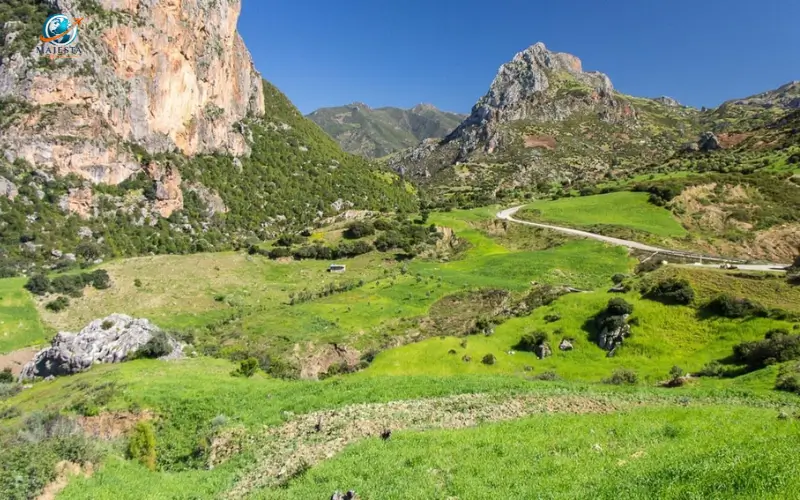
Talassemtane National Park is one of the most important protected areas in the vicinity of Chefchaouen in Morocco that nature enthusiasts should not miss. The park is situated in the Rif Mountains and encompasses extensive areas of forest, deep valleys, rocky outcrops, and peaks of high elevation, providing some of the most scenic natural beauty in northern Morocco.
The park is known for its rich biodiversity and unique ecosystems. It is home to rare plant species like the and hosts wildlife including Barbary macaques, wild boars, and various birds. It is significant for nature exploration, too, and conservation.Moroccan fir, cedar and oak forests,
There are a variety of outdoor activities available to visitors, notably well-marked and scenic hiking trails. These trails pass through forests, small traditional villages and natural viewpoints with a view of valleys and gorges. There are also waterfalls and river crossings along some of the routes, making them even more adventurous.
In general, Talassemtane National Park is a tranquil place to visit, offering visitors the opportunity to enjoy the natural beauty of the Rif region and experience the untouched nature, while enjoying fresh mountain air, just a short distance from Chefchaouen.
Biodiversity and Wildlife
In the park, you’ll find the following:
- Rare plant species
- Cedar forests
- Pine forests
- Birds of prey
- Native wildlife
It is an important conservation area in Morocco for its unique ecosystem.
Popular Activities
Visitors can enjoy:
Hiking
There are plenty of trails in the park for everyone of all levels.
Birdwatching
A wide variety of bird species thrive in the Mountain habitat.
Nature Photography
Photographers have a wealth of possibilities with dramatic landscapes.
Camping
There are several places that are suited for outdoor activities and camping.
Talassemtane National Park is a whole other Morocco that people rarely get to enjoy.
10. Experience a Traditional Moroccan Hammam
A hammam is one of the most traditional cultural experiences that one can have in Chefchaouen and is a practice very much a part of Morocco’s heritage.
A hammam is a public bathhouse that has been an important part of Moroccan culture for centuries. It was traditionally shared for bathing and hygiene, particularly if the house did not have private baths. It has also grown into a relaxing and social hub where residents have gathered regularly as part of their weekly routin, over time.
Normally, this experience is conducted in warm and steamy rooms that loosen the pores and soothe the body. At the center of the cleansing experience are the use of natural ingredients such as black soap and various exfoliation methods, which help visitors to experience a cleansing process that leaves their skin soft and smooth. Some hammams also offer additional services like optional clay masks or light massage for added relaxation.
The hammam is not just about cleanliness; it’s also a snapshot of Moroccan life, where tradition, well-being, and community are intertwined singularly and profoundly.
What Happens in a Hammam?
Visitors typically enjoy:
- Steam baths
- Deep cleansing treatments
- Massage with black soap
- Relaxation sessions
Many visitors are left feeling revitalised and invigorated from the experience.
Public vs Private Hammams
Public Hammams
- More authentic
- Lower cost
- Popular among locals
Private Hammams
- More comfortable for tourists
- Personalized services
- Spa-like atmosphere
- Both choices provide a glimpse into Moroccanness traditions of wellness.
11. Stay in a Traditional Moroccan Riad
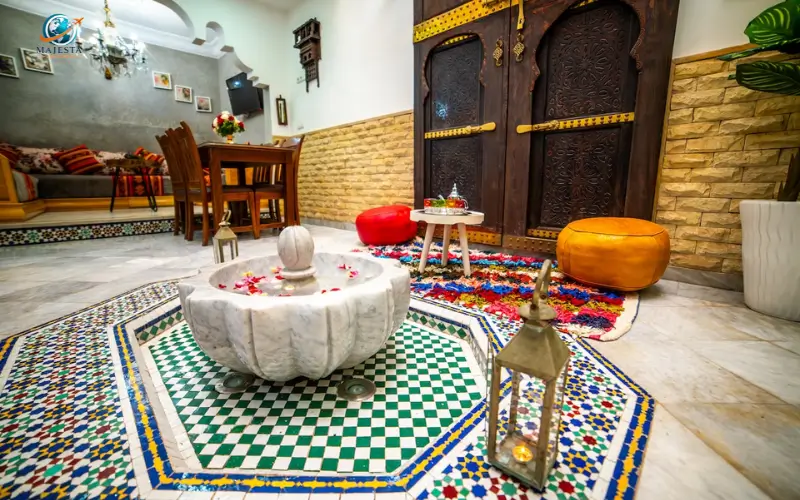
Selecting a traditional riad can truly enrich your stay in Chefchaouen, immersing you in Morocco’s history and local culture.
Riads are traditional Moroccan houses that are built around an open courtyard, which is typically filled with plants, fountains, and natural light. They are built in a classic Moroccan style with intricate tilework, carved wood, and serene interior areas, far removed from the hustle and bustle of the outside world.
The atmosphere and welcoming nature of a riad is what makes it special. Many are family-run or are boutique-style hotels with personalized service and home-cooked Moroccan dishes. The peaceful courtyard can be a pleasant place to relax after a day of sightseeing.
Apart from the design and comfort, a stay in a riad offers visitors the opportunity to immerse themselves in the culture of Morocco, because it offers a warm and traditional welcome.
Why Stay in a Riad?
Benefits include:
- Authentic cultural experience
- Traditional design
- Rooftop terraces
- Personalized service
- Unique atmosphere
Many of the riads in Chefchaouen are decorated with blue hues, which are appropriate and complement the city’s famous look.
Best Areas to Stay
Popular locations include:
- Inside the Medina
- Close to Plaza Uta el-Hammam
- Village properties that overlook the mountains.Village homes that face the mountains.
It is in a riad that visitors can discover the essence of the Blue City.
12. Taste Authentic Moroccan Cuisine
God’s Bridge (Pont de Dieu) is one of the most outstanding natural attractions near Chefchaouen, a wonderful geological phenomenon that makes the night’s journey worthwhile.
Must-Try Moroccan Dishes
Tagine
A signature Moroccan dish, tagine is a slow-cooked stew prepared in a clay pot. It usually includes meat such as chicken or lamb, combined with vegetables, olives, and a blend of spices that develop deep, rich flavors during the long cooking process.
Couscous
Considered a staple food in Morocco, couscous is often served on Fridays in many households. It consists of steamed semolina grains topped with vegetables, meat, and a flavorful broth, making it both hearty and traditional.
Harira Soup
Harira is a warm and nourishing soup made with lentils, tomatoes, chickpeas, and fresh herbs. It is especially popular during special occasions and often enjoyed as a starter or light meal.
Pastilla
Pastilla is a special Moroccan pastry that is both sweet and savoury. Traditionally stuffed with spiced meat, it is thinly stuffed and dusted with powdered sugar and cinnamon.
Moroccan Mint Tea
Mint tea is one of the most common drinks in Morocco and is known as the national drink; it is consumed regularly throughout the day as a symbol of hospitality. It is produced from green tea, fresh mint leaves, and sugar and is a must-have for social occasions and for a visitor.
Dining with a View
Numerous restaurants have rooftop terraces that offer stunning views of Medina and the surrounding mountains, providing an extra dimension of indulgence to the dining experience.
13. Relax at Rooftop Cafés
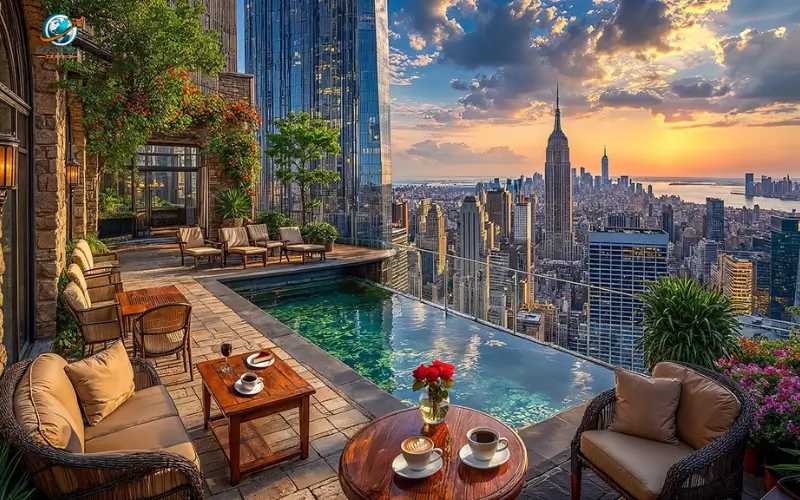
A very simple yet fun activity in Chefchaouen is the rooftop cafés, where one can taste the beauty of Morocco to the fullest.
Due to the urban setting set into the hills of the Rif Mountains, numerous cafés are situated on raised terraces where they can enjoy breathtaking views of the famous blue-stoned streets, surrounding hills, and distant mountain landscapes. These rooftops offer a tranquil break from the narrow streets below.
People sip traditional Moroccan mint tea or coffee while gazing at the city that slowly slides below. It is a quiet, relaxed, and peaceful place, particularly at sunset when the buildings are warmly lit in the blue.
The rooftop cafes aren’t just places to get a drink of water or a cup of coffee; they’re spots to appreciate the view, fresh mountain air, and tranquil rhythms of living in one of Morocco’s most beautiful towns.
Why Rooftop Cafés Are Popular
They are great for visitors and include:
- This is a look at the blue roofs. This is a view of the blue roofs.
- Mountain scenery
- Sunset photography opportunities
- Relaxed atmosphere
- Traditional Moroccan refreshments
Best Time to Visit
The sunset is a special treat as the blue buildings below are bathed in golden light.
These rooftop moments are one of the most memorable things that many travelers enjoy from Morocco.
14. Experience Local Culture and Traditions
Chefchaouen is not just about the blue-painted streets and the picturesque scenery; it’s a fantastic destination to immerse yourself in the true Moroccan culture as well.
The people are relaxed, and the citizens of the town can see what the people do every day, which hasn’t changed for generations. The traditional crafts, handmade fabrics, woven blankets, and local produce will provide a glimpse into the region’s heritage and mountain lifestyle in local markets and small squares.
Music and community gatherings are also an important part of local culture. Traditional Andalusian or AAmazigh-inspiredsounds can be heard during festivals or at random on the streets of this town, which gives it its unique atmosphere. Tea culture is also prominent, and drinking Moroccan mint tea is an expression of goodwill and community.
Visitors can enjoy the medina beyond the tourist experience by just walking in, talking to the inhabitants, and watching people’s lives.
Berber Heritage
The Rif region is also of strong Berber origin, and the influence of the Berbers can still be seen in their traditions, language, crafts, and cuisine.
Andalusian Influence
The region has a long history of Andalusian refugees settling in the area.
This influence is evident in:
- Architecture
- Music
- Art
- Cuisine
Cultural Experiences
Visitors can:
- Attend local festivals
- Visit artisan workshops
- Learn about traditional crafts
- Share a good time with families in the community
- Explore cultural museums
These experiences enable travelers to become familiar with the local history of the Blue City.
15. Take a Day Trip to Nearby Attractions
Chefchaouen is also a great place to base yourself while you’re exploring northern Morocco.
Tetouan
Characterized by the UNESCO-listed Medina and its rich Andalusian heritage.
Oued Laou
A peaceful Mediterranean coastal town with beautiful beaches.
Rif Mountain Villages
The application of the traditional villagesgives an insight into life in the rural areas of Morocco.
Talassemtane Region
Ideal for outdoor activities and nature lovers.
Akchour Valley
Northern Morocco’s most picturesque spot. Day tours enable people to explore the amazing variety of the landscapes around Chefchaouen.
Hidden Gems Most Tourists Miss
While it’s true many travelers only go to the famous blue streets, there are other gems to be found in Chefchaouen.
These include:
- Quiet residential alleyways
- Lesser-known viewpoints
- Small artisan workshops
- Off-the-beaten-path cafes in the area
- Secret stairs that are ideal for the photo
Going off the beaten track can be the most rewarding adventure!
Best Photo Spots in Chefchaouen
One of the most common reasons for people visiting Chefchaouen is for its photography.
Top locations include:
- Blue staircases
- Medina alleyways
- Spanish Mosque viewpoint
- Kasbah Tower
- Plaza Uta el-Hammam
- Ras El Maa
- Rooftop terraces
- Akchour landscapes
- God’s Bridge
- Mountain viewpoints
The best light is in the early morning and late afternoon.
Final Thoughts
Chefchaouen is more than just a beautiful place. It’s a location where the history, culture, nature, and architecture all meet to make one of the most unique traveling experiences in Morocco.
The Blue City has something for everyone, offering experiences from wandering the blue alleys, hiking in the Rif Mountains, visiting waterfalls, dining in Moroccan traditions, and simply sitting and enjoying some mint tea on a rooftop terrace. Chefchaouen indeed should be at the top of the list for people who are thinking of a trip to Morocco.
Must Visit: Best Beaches Near Barcelona | Top Coastal Escapes for Every Traveler