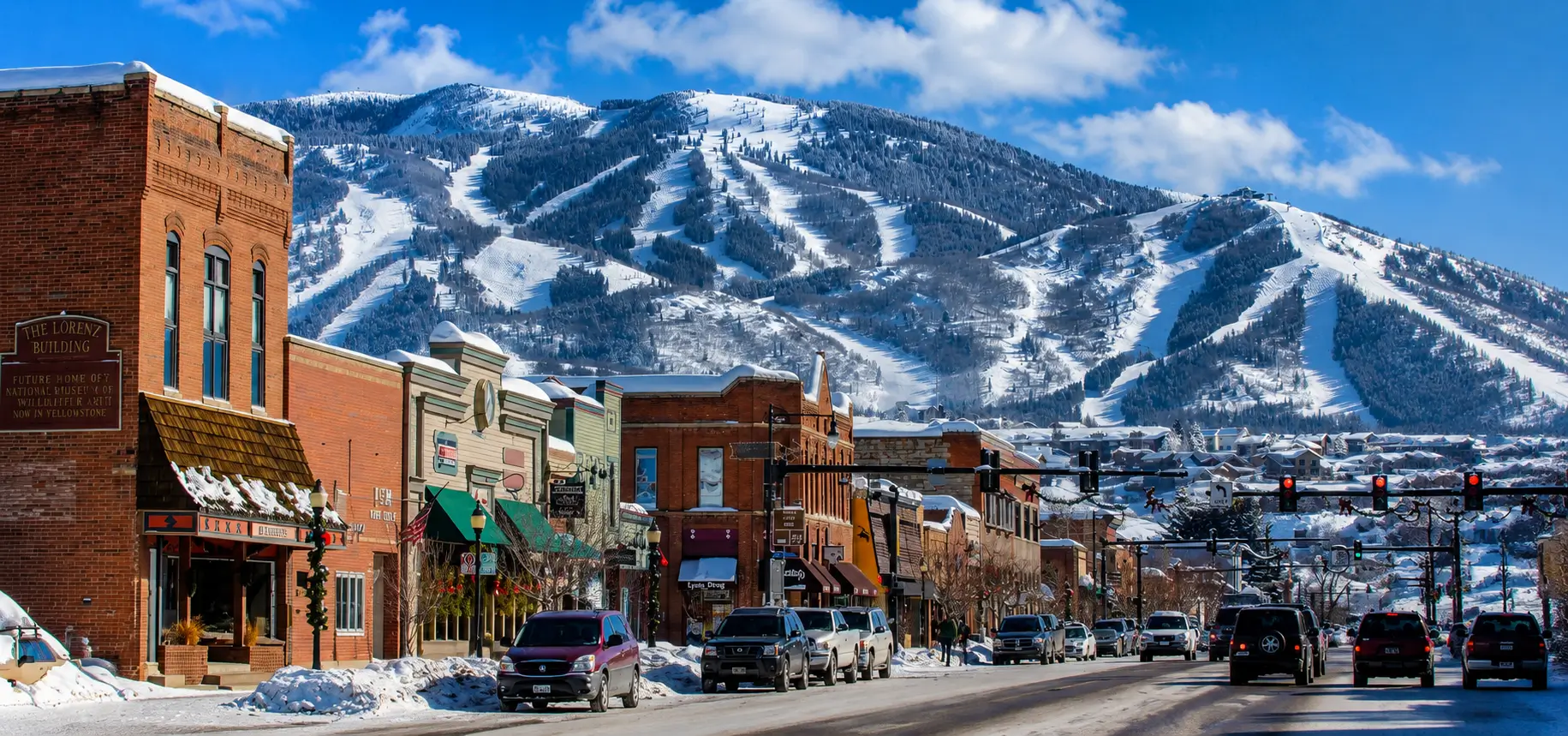
Aspen is one of the most popular destinations in the United States when it comes to the mountains, offering a scenic natural wilderness, outdoor activities, and all-year-round entertainment to visitors. Visitors come to Aspen to ski, snowboard, hike, mountain bike, and take in the mountain scenery. Aspen is located at a high elevation, and understanding this aspect is crucial when planning a trip, as it has a pronounced impact on weather patterns, outdoor activities, and comfort. Elevation may impact exercise tolerance and postflight fatigue. Knowing the elevation before you start your visit can help you plan your trip to Aspen and get the most out of it, as it is one of the most popular places to visit in the Rocky Mountains.
Aspen Village Elevation Quick Facts
| Feature | Details |
| Location | Aspen, Colorado |
| Elevation Above Sea Level | 7,908 feet |
| Elevation in Meters | 2,410 meters |
| Mountain Region | Rocky Mountains |
| State | Colorado |
| Highest Nearby Peaks | Over 14,000 feet |
| Best Known For | Skiing, Hiking, Luxury Travel |
The high Aspen Village elevation is one reason why Aspen offers such stunning mountain scenery and excellent winter sports conditions.
Understanding Aspen Village Elevation
The elevation of Aspen is called the Aspen Village elevation. Aspen is nestled in the Rocky Mountains of Colorado and is at a much higher elevation than most cities in the United States.
The average elevation of the Aspen Village is around 7,908 ft (2,410 m) above sea level. This makes Aspen one of the highest elevation resort destinations in North America.
As a result of this high altitude, visitors will have the following experiences:
- Thinner air
- Lower oxygen levels
- Cooler temperatures
- Stronger UV exposure
- Different weather patterns
- Enhanced mountain views
Knowing the elevation of Aspen Village can help travelers plan accordingly and enjoy a safe and comfortable trip.
Aspen Village Location
Aspen Village is nestled in the beautiful Rocky Mountain area of Aspen, Colorado. The village is located in the heart of the mountains, on an elevation of around 7,908 feet (2,410m) above sea level, with fantastic mountains, forests, and outdoor recreation areas. It is a popular year-round destination for skiing, hiking, sightseeing, and more, and is a popular place for people to visit from all over the United States and around the world.
Why Aspen’s Elevation Matters for Travelers
When traveling, many people tend to pay attention to hotels, attractions, and transportation, and forget about the altitude. But the effect of altitude can make a huge difference to the overall travel experience.
Oxygen levels are less than in sea-level cities at more than 7,900 feet above sea level. Lower elevation visitors might observe alterations in breathing, energy expenditure, and physical ability.
Some travellers get mild symptoms after their first day, such as:
- Headaches
- Fatigue
- Shortness of breath
- Mild dizziness
- Difficulty sleeping
For most people, these effects are temporary and go away as soon as adequate hydration and rest are re-established.
Visitors can more easily get to sleep and not have to endure the discomfort of traveling because they have an understanding of the elevation of the community before they arrive in Aspen Village.
Aspen Weather and Elevation Relationship
Weather conditions are directly affected by the altitude of Aspen.
Generally, higher elevations have:
- Cooler temperatures year-round
- An increase in snowfall in the winter months.More snowfall in winter.
- Lower humidity levels
- More intense sunshine
- Rapid weather changes
Even in the summertime, mornings and evenings can be very cool in the mountain environment.
People who visit come in layers as the weather can change a lot during the day.
Summer Conditions
Aspen is a summertime destination with nice weather, and it attracts people who enjoy the outdoors, such as hikers and cyclists.
Summer temperatures are usually in the average range of:
| Season | Average Day Temperature | Average Night Temperature |
| June | 70°F (21°C) | 40°F (4°C) |
| July | 78°F (26°C) | 45°F (7°C) |
| August | 76°F (24°C) | 43°F (6°C) |
The combination of comfortable temperatures and mountain scenery makes summer one of the most popular times to visit.
Winter Conditions
Aspen becomes a world-famous ski area in the winter.
The area’s elevation further enhances snowfall, making for beautiful skiing and snowboarding conditions. Winter temperatures can often drop below freezing, particularly at night.
The high elevation tends to maintain high-quality snow throughout the ski season.
How Aspen Village Elevation Affects Hiking
One of the most popular things to do in Aspen is hiking.
But even a moderate hike in Aspen Village may feel like more of a test of the steep terrain.
At higher elevations:
- Heart rates increase faster
- Breathing becomes heavier
- Physical activity seems to be harder.
- Recovery times could be extended
- People should acclimate for a day before doing strenuous hikes.
Hikes will take you to the mountain lakes, alpine forests, wildflower meadows, and vistas around Aspen. Many trails climb thousands of extra feet above Aspen, and climbers are frequently above 10,000 feet.
Altitude Sickness in Aspen
One of the most talked-about topics among first-time visitors is altitude sickness.
The risk is heightened due to the elevation of Aspen Village and the surrounding mountains.
Symptoms may include:
- Headache
- Nausea
- Dizziness
- Fatigue
- Loss of appetite
- Sleep disturbances
The majority of cases are mild and clear up on their own.
Here are some tips for minimizing risk when traveling:
- Drinking ample amounts of water.
- Avoiding excessive alcohol
- Take the first day off to rest
- Eating balanced meals
- Refraining from strenuous activity right after landing.
Hydration and acclimatization are important for families with children and older adults.
Skiing Benefits of Aspen’s Elevation
The reputation of Aspen for skiing is worldwide, and altitude is a big reason.
The high mountain environment has a significant influence on:
- Reliable snowfall
- Longer ski seasons
- Better snow quality
- Stunning panoramic views
- Excellent terrain variety
Ski resorts are located nearby that are much higher than the town and provide fantastic alpine experiences.
Aspen’s mountain climate is a draw for skiers, particularly during the clear blue skies and dry powder conditions that often occur.
The area’s elevation adds to the skiing experience, whether the visitors are novices or skiers of any skill level.
Best Time to Visit Aspen
The optimal time would be determined by the travel objectives.
Winter Travelers
Winter is best for:
- Skiing
- Snowboarding
- Snowshoeing
- Winter photography
- Luxury mountain vacations
The peak season is typically from December to March.
Summer Travelers
The best time of year for:
- Hiking
- Mountain biking
- Scenic drives
- Outdoor festivals
- Wildlife viewing
The high elevation of Aspen Village makes the summer the preferred season for many visitors.
Read Also: Kelingking Beach Nusa Penida
Fall Travelers
Fall is a favorite holiday month for people who want to travel to:
- Colorful foliage
- Fewer crowds
- Photography opportunities
- Pleasant temperatures
Colorado’s most beautiful landscapes are the golden aspen trees.
Mountain Peaks Around Aspen
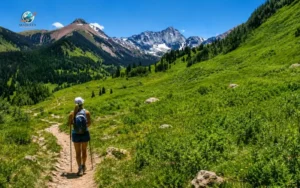
One of the things about Aspen that visitors like is the mountain vistas surrounding the city.
Several famous peaks around Aspen rise above 14,000 feet.
Some of the nearby mountains are notable:
- Maroon Peak
- North Maroon Peak
- Pyramid Peak
- Castle Peak
- Capitol Peak
The summits give Aspen a dramatic appearance and are popular with climbers from around the world.
These mountains are usually photographed from the scenic spots in the area.
Transportation and High Elevation
When you’re traveling, you may find yourself wondering whether or not altitude will impact transportation.
The majority of visitors come from local airports and are immediately surrounded by the mountain environment in Aspen.
Due to the altitude:
- There may be a slight decrease in engine performance in vehicles.
- The weather has an impact on mountain roads.
- Snow chains will sometimes need to be used.
- Care needs to be taken when driving in winter conditions.
- Fortunately, the local infrastructure is suitable for mountain use.
When coming to the mountain, vehicles should be rented with an understanding of mountain driving.
How to Reach Aspen Village
By Air
The most convenient way to get to Aspen Village is by plane. Visitors can arrive in Aspen by air at the nearby Aspen/Pitkin County Airport. There are taxis and shuttles from the airport, as well as rental cars, to Aspen Village.
By Road
Colorado’s various parts connect to Aspen Village by highways. Numerous tourists are driving from Denver, admiring the stunning scenery that the mountains offer. This trip typically takes about 4 hours.
By Shuttle
There are shuttle services from the major airports to Aspen. It’s a handy feature for people who do not wish to go through mountain roads.
By Rental Car
For anyone looking to visit the many attractions of Aspen and the surrounding area at their own speed, owning a rental car is the ideal way to do so. Airport and city rental car services are available.
Getting Around Aspen
There are also local buses, taxis, and shuttles available, or you can use the ride-sharing service. There are also many of the attractions in Aspen Village that are within walking distance.
Packing Tips for Aspen
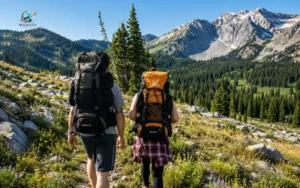
Aspen Village is at a high elevation, which creates unique packing needs.
Recommended items include:
- Reusable water bottle
- Sunscreen SPF 30+
- Sunglasses
- Lip balm
- Layered clothing
- Comfortable hiking shoes
- Warm jacket
- Moisturizer
A large number of travelers do not realize how much they get exposed to the sun when they hike. The sun’s rays are more intense at higher altitudes, and sunscreen is needed even in the winter season.
With a little preparation, it’s possible to make the journey very comfortable.
Photography Opportunities at High Elevation
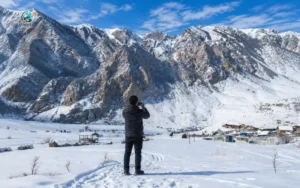
Photographers’ delight, Aspen.
The elevation has a positive contribution to:
- Clear mountain air
- Vibrant landscapes
- Exceptional sunrise views
- Spectacular sunsets
- Dramatic seasonal colors
Common photography scenes are alpine lakes, mountain peaks, ski slopes, wildlife, forested areas, and old buildings in city centers.
The higher elevation often makes for better visibility and scenery for photographers.
Wildlife Around Aspen
The mountain biota harbours a variety of animal life.
Visitors may encounter:
- Elk
- Mule deer
- Black bears
- Foxes
- Marmots
- Eagles
- Hawks
Early morning and evening hours are popular for wildlife viewing.
Luxury Travel and Aspen Elevation
One of the greatest draw cards of the region remains the natural environment that surrounds Aspen.
Aspen Elevation offers luxury travel at elevated prices.
- Aspen is a place where luxury tours are common.
- The town offers:
- High-end resorts
- Luxury hotels
- Fine dining
- Designer shopping
- Exclusive mountain experiences
Its elevation makes it a more desirable destination with stunning views and outdoor activities.
Luxury stays are often combined with hiking, skiing, and sightseeing trips.
Day Trips from Aspen
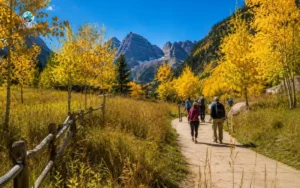
From Aspen, there are several great places to visit.
Popular options include:
- Maroon Bells
- Independence Pass
- Snowmass Village
- Glenwood Springs
- White River National Forest
These sites highlight Colorado’s mountainous area and offer more outdoor adventure.
Most can be seen within a day and are easily accessible from Aspen.
Read Also: Airbnb Myrtle Beach Oceanfront
How to Adjust Quickly to Aspen’s Elevation
Stay Hydrated
It is important to drink lots of water to get used to the high altitude of Aspen. Due to the dryness of the mountain air, water is important and will help alleviate altitude-related symptoms such as headaches or fatigue.
Take It Easy on Your First Day
Allow time for acclimatization to the reduced oxygen environment. Be sure not to do heavy work right away after arrival, and explore at a leisurely pace on the first day.
Get Enough Rest
A good night’s sleep can help your body acclimate more quickly. Get plenty of rest before and en route to stay energized.
Limit Alcohol Consumption
When it comes to meals, your body needs energy to acclimate to the altitude; nutrition is key. Eating regularly helps you feel better and keep active during the visit.
Listen to Your Body
Alcohol can exacerbate symptoms of altitude and dehydrate a person. It is best to limit alcoholic drinks during your first day or two in Aspen.
Economic Importance of Aspen Tourism
Stop and rest if feeling tired, dizzy,y or short of breath. Most visitors settle into their accommodation within a day or tw, and are then able to enjoy the city to the full.
The economic importance of Aspen tourism.
- Tourism is a major part of the economy of Aspen.
- Throughout the year, visitors are attracted to:
- Winter sports
- Outdoor recreation
- Scenic tourism
- Cultural events
- Luxury vacations
The elevation of the area directly contributes to these tourism opportunities by its ability to support snow sports, mountain recreation, and unique alpine landscapes.
Aspen’s mountain culture draws visitors to the town who, in turn, help drive business for local companies around the region.
Read Also: Maldives Airport: Everything You Need Before Your Journey
Ao Nang Beach Travel Guide – Best Islands, Tours & Beaches
Ao Nang Beach Guide – Islands, Sunsets, Food and Adventure
Final Thoughts
Knowing the elevation of Aspen Village is a key component in planning a fun and comfortable trip. The high elevation of Aspen has an impact on weather patterns, outdoor activities, and the overall experience of visitors to the town. Travelers can make the most of Aspen’s beautiful mountain scenery, outdoor adventures, and attractions all year long by preparing for the hike, staying hydrated, and taking time to adjust. When traveling to Aspen for skiing, hiking, or sightseeing, it is important to be aware of its elevation to make the trip safer and more enjoyable.
Frequently Asked Questions
How many feet above sea level is Aspen Village?
The elevation of Aspen Village is about 7,908 feet (or 2,410 meters) above sea level.
Does going up in elevation cause altitude sickness in Aspen?
Yes. Visitors may suffer from slight symptoms of altitude sickness, including dizziness, headache, and fatigue, on the first day or two.
Aren’t you better than Denver?
Yes. Aspen is much higher up (about 5280 feet above sea level) than Denver.
How many days was it before you got used to the altitude of the city of Aspen?
Most individuals will acclimatize in the first 1-3 days, depending on individual health and hydration status.
Does Aspen’s elevation affect skiing?
Yes. Higher elevation allows for more consistent snowfall, snow quality, and longer ski seasons.
What do I need to bring since Aspen’s elevation?
Pack sun cream, sunglasses, multiple layers of clothing, a water bottle, lip balm, hiking boots, and a warm jacket.
Should you go to Aspen in the summer?
Yes. In the summer, you can go hiking, mountain biking, enjoy festivals, take scenic drives, go for a photography session, and enjoy warm weather.