Sensō-ji Temple is one of the most memorable experiences of Japanese culture. The old Buddhist temple is situated in one of the most historic places of Asakusa, boasting all the elements of Japanese spiritualism, history, traditional architecture, street food, and a true Japanese atmosphere.
As the oldest temple in Tokyo, Sensō-ji attracts millions of visitors every year. Apart from the beautiful temple buildings, visitors here also get to witness the traditional ways of Japanese people, visit the local markets, and relax in peaceful times with a different lifestyle from that of modern Tokyo.
This complete travel guide will help you discover everything about Sensō-ji Temple: its history, what to do, food, great photo opportunities, nearby activities, and some travel tips.
Where Is Sensō-ji Temple Located?
Sensō-ji is situated in Asakusa, one of the most historic and culturally rich sights in Tokyo. In the north-east of Tokyo, Asakusa has an old Japanese atmosphere and an excellent transportation system, which has established the connection between the old and modern Tokyo.
The temple is easily accessible from:
- Asakusa Station
- Tokoname Express (Tokyo Metro Ginza Line)
- Toei Asakusa Line
- Tobu Railway
Many Japanese traditional streets, cultural spots, local restaurants, and souvenir shops surround the temple, and it’s one of the best places to experience the authentic Tokyo.
History of Sensō-ji Temple
Sensō-ji is Tokyo’s oldest and most important temple, which dates from the 7th century.
Japanese tale has it that the two fishermen came across a statue of the Buddhist Goddess of Mercy, Kannon, in a nearby river. Although he returned the statue to the water, it always came back to them again. This was taken as a sign of a spiritual thing, so a temple was built for Kannon later on.
In the Edo period, Sensō-ji grew into an indispensable religious and cultural pillar of Japan. Part of the temple was destroyed during World War II, but it was carefully reconstructed and continues to be a symbol of resilience and spiritual tradition.
Today, the temple represents both Japanese history and the enduring spirit of Tokyo.
Architecture & Cultural Highlights of Sensō-ji Temple
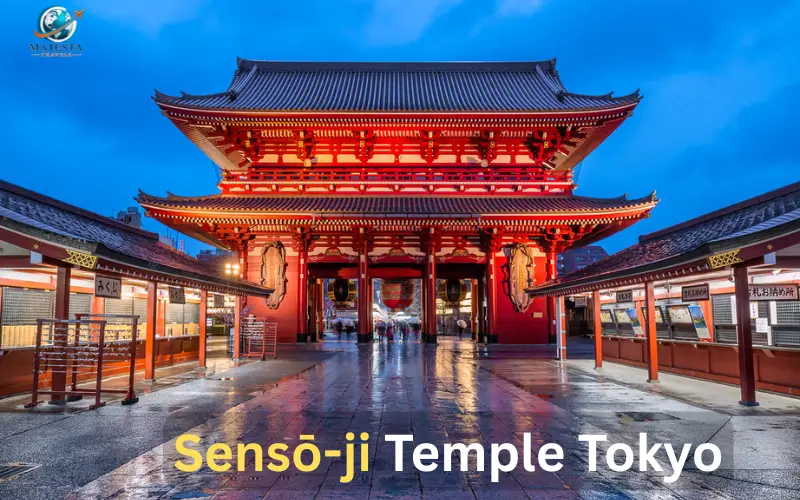
The most interesting part of Sensōji is the beautiful traditional Japanese architecture. All the buildings of the temple complex embody centuries of cultural and artistic achievements.
Kaminarimon Gate (Thunder Gate)
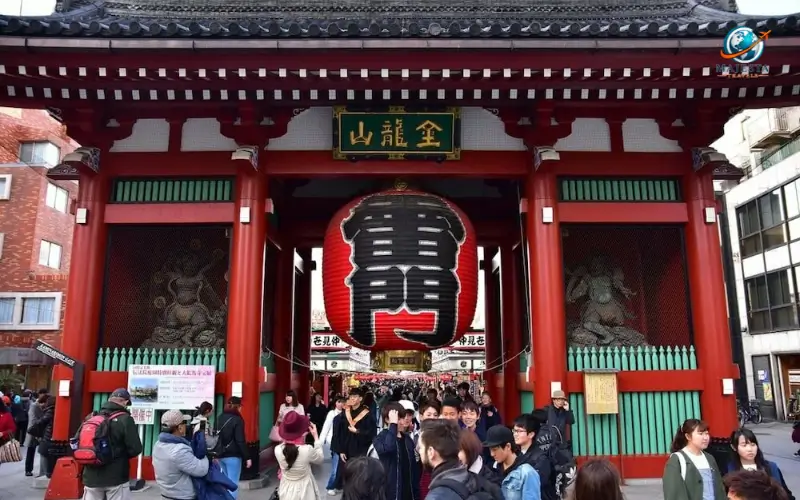
To begin with, the entrance to Sensō-ji starts with the iconic Kaminoumon Gate, which is one of the most photographed sites in Tokyo. The massive red lantern in the centre can instantly be identified and represents the spiritual significance of the Temple.
People pause here to take their pictures before entering the temple’s sacred area.
Five-Story Pagoda
The beautiful pagoda is located near the main temple hall. This is a charming building that embodies traditional Buddhist architecture and contributes to the overall serene and tranquil ambiance of the complex.
The pagoda would also be lit up at night, which made it one of the most beautiful in Asakusa.
Main Worship Hall
The temple’s spiritual heart is the main hall. People visit here to pray, burn incense, and observe traditional Buddhist rites.
The interior is quiet, courteous, and exceedingly cultural, so the traveller does get to witness the Japanese spirit.
Entry Fee, Opening Hours & Visitor Information
It is truly wonderful that one of the benefits of visiting Sensō-ji is the fact that one does not have to pay to enter the grounds of the temple.
Opening Hours
The Temple grounds are open every day, 24 hours a day.
Main Hall: Opened in the early morning or later and continues running until evening
Entry Fee
- No adversaries to the fields of entry!
As there is no cost for tickets, Sensō-ji is among the most economical sights to see from Tokyo’s budget.
Best Time to Visit Sensō-ji Temple
The highest point to visit the Sensō-ji temple is midday. Sensō-ji Temple’s best time to visit is midday.
Early Morning Visit
The atmosphere at Sensō-ji varies with the passage of hours and always brings surprises.
It is a dynamic and cultural atmosphere here. Visitors can wander through the shops and get a better understanding of Japanese traditions and customs, as well as local craftsmanship.
Evening & Night Experience
It is also a great place to purchase traditional and original souvenirs, or to witness normal shopping culture, from Nakamise Street in Tokyo.
So I recommend that you take a look at Traditional Japanese Street Food.
Cherry Blossom Season
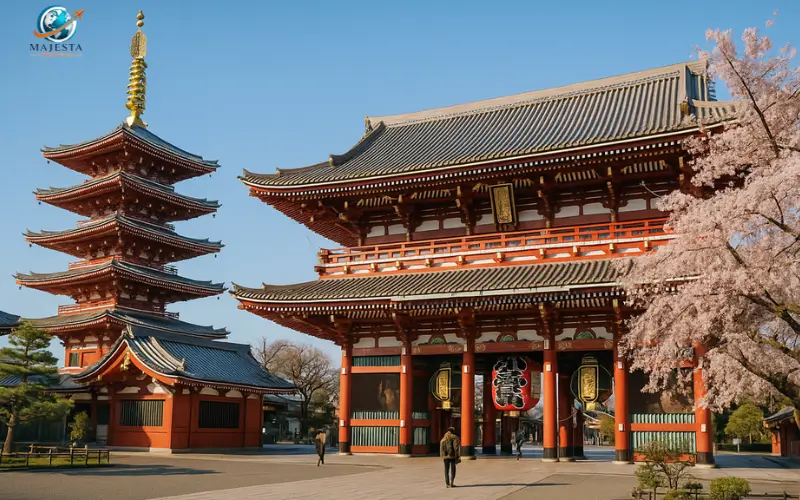
Furthermore, a major attraction at Sensō-ji Temple is uncovering the regional cuisine culture in Asakusa. The neighborhood is known for its street food and Japanese treats, providing an authentic taste of Tokyo.
Best Things to Do at Sensō-ji Temple
Popular foods include:
- Fresh rice crackers
- Matcha-flavored desserts
- Delicious sweet red bean flour tarts
- Japanese pancakes
- Traditional mochi sweets
- Crispy tempura snacks
The streets are filled with the aroma of freshly prepared meals, and the atmosphere is warm and inviting. One of the most popular activities in Nakamise Street is for people to slowly stroll down the street and try different local foods.
Eating on the streets around Sensō-ji adds a unique element to the travel experience and offers a way for travelers to experience traditional Tokyo.
Experience Traditional Buddhist Rituals
Sensō-ji Temple remains a holy place of worship and can be enjoyed during the appropriate rites and traditions of the Buddhist religion.
Many will go and wash by the purification fountain before entering the main hall – this is a symbol of spiritual cleansing. Consumption of incense is also allowed at the great incense burner – many think the smoke brings good fortune and health.
Another popular activity is to draw the “Omikuji” fortune slips. People give the visitors a numbered stick to tap in a container and then hand over a paper fortune that is related to the number. These fortunes can help to forecast fortune, success, romance, and potential chance.
There is a spiritual element and an emotional one in enjoying these traditions, which allows travellers to come to an understanding of the Japanese spiritual tradition.
Capture Stunning Photography Spots
Sensō-ji Temple is one of the best places to take photos in Tokyo, as each area of the temple has its own photo spot.
Some of the best places for photography are:
- Profiles the Kaminarimon Gate and the giant lantern that leads up to the front of the shrine.
- Nakamise Shopping Street
- Five-story pagoda
- Main temple courtyard
- Incense area with spiritual smoke
- Lighted temple night views
The lighting hours are the most favorable times for photography: the morning and the evening. Early mornings allow for natural lighting that can lend a soft, lovely tone to pictures taken during this time, and night lights will give cinematic footage for your travel photographs.
However, no matter which camera you take with you – pro or smart – you can take awesome pictures of the culture around the temple area.
Visit Sensō-ji Temple at Night
Sensō-ji’s nighttime atmosphere is all things different from the daytime. Gorgeous, war,m golden lamps light the buildings of the temples, and the entire scene is serene and enchanted.
Peaceful nights offer the chance to stroll with peace and to easily take photos without the masses. The pagodas and temples, which are lit, are one of the most beautiful evening views to see in Tokyo.
Actually, the night view of this temple is even more amazing than the day, due to the calmness and the beautiful lights that women and men can see by reflecting along the temple grounds.
Sensō-ji is the best place to visit at night for those who wish to see the temple, as well as a cultural traveller.
Admire the Traditional Japanese Architecture
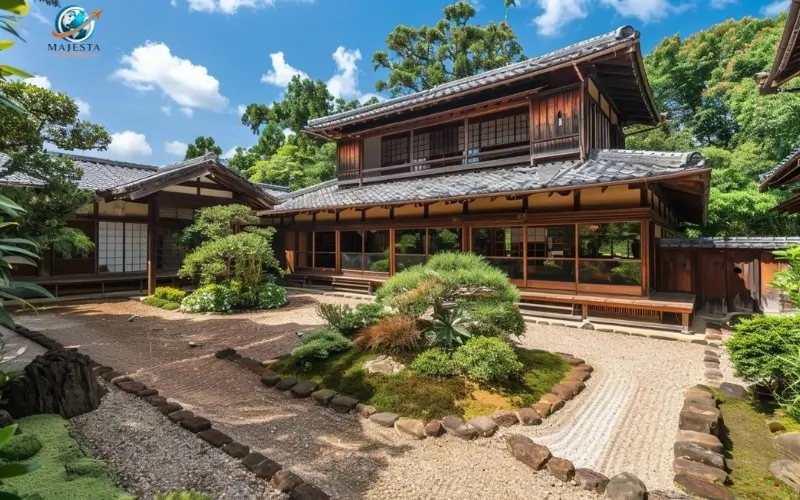
Sensō-ji’s architecture showcases centuries of Japanese craftsmanship and Buddhist design.
Visitors can admire:
- Curved temple roofs
- Wooden architectural details
- Decorative elements of red and gold colors.
- Ancient pagoda structures
- Traditional Buddhist symbols
All buildings and enclosures in the compound have historical and spiritual value. The harmonious arrangement of colors, symmetry, and open space creates a serene atmosphere that embodies traditional Japanese style.
These beautiful details are hours of fun for those interested in culture, architecture, and history on the trip.
Enjoy the Peaceful Spiritual Atmosphere
Sensō-ji is one of the busiest tourist attractions in Tokyo, but there’s a peaceful spiritual ambiance everywhere. The temple bells, scents, subtle devotional prayers, and chants engender a peaceful ambiance that is unique compared to the rest of the city.
People come here just to watch the temple life and sit silently in the courtyard. It’s a non-invasive ride that offers visitors an opportunity to discover Japanese culture more deeply and thoroughly.
This spiritual ambiance allows many people to experience the greatest highlight of their visit to Sensō-ji.
Explore the Historic Streets of Asakusa
The neighborhood of Asakusa is crisscrossed with old-style and tight local streets, local cafés, and cultural nooks and corners.
The motorist can walk through the neighborhood and do the following:
- Try to find small Japanese restaurant establishments
- Take a peek at some of the secret shops that offer souvenirs.
- Get the old-time feel of Tokyo.
- Seek out areas for photography that are away from traffic.
- Participate in local culture; attend festivities and celebrations.
In the neighbourhood of Asakusa, one of the traditional surroundings that is preserved well in Tokyo is ideal for the purpose of the slow-paced trip and the exploration of the culture.
Experience Seasonal Festivals & Cultural Events
In fact, the Sensō-ji Temple hosts several traditional festivals and the celebration of the seasons throughout the year, which draw both locals and tourists.
Popular events include:
- The festivals for the cherry blossom season.
- Summer cultural celebrations
- Traditional Japanese dances are performed. Old Japanese dances are performed.
- Lantern festivals
- Gongyi Worshipping at the Temple at the turn of the year.
These events offer the travelers an even richer cultural experience and a celebration of the long and wonderful history and sense of community in Japan.
At festival times, the whole area is adorned with decorations, stalls of food, and traditional dances, and lets the visitors experience an unforgettable day.
Best Food & Restaurants Near Sensō-ji Temple
The neighborhood around Sensō-ji is home to a variety of traditional Japanese restaurants and eateries that serve up authentic local dishes.
Travelers can enjoy:
- Traditional ramen shops
- Sushi restaurants
- Matcha cafés
- Japanese dessert stores
- Tempura restaurants
There are some small local restaurants in Asakusa that keep the recipes and the cooking technique for generations.
Nearby Attractions Around Sensō-ji Temp
Among the perks of going to Sensō-ji is its proximity to the many major places to visit in Tokyo.
Tokyo Skytree
- Asakusa is close to Tokyo Skytree, which provides breathtaking views of the city’s skyline.
- Easy visitors’ itinerary for modern life in Tokyo and traditional culture.
Asakusa Shrine
- Next to Sensō-ji is the quiet spiritual shrine of Asakusa Shrine.
- This shrine will be a lot more beautiful when it hosts festivals or seasonal events.
Sumida River
Visitors can enjoy a walk through a Sumit area and the river cruise on the Sumit River. The river affords great beauty during the setting sun.
Numerous visitors prefer to walk along the river after visiting the temple in the evening.
How to Reach Sensō-ji Temple
Tokyo’s public transport is very easy to access, and it doesn’t take long to reach Sensō-ji.
By Subway
However, the easiest way is to take the Tokyo Metro Ginza Line to Asakusa Station.
Walking Access
There are several areas nearby from where you can walk into the temple and the surrounding attractions.
Taxi Option
Toledo’s taxi service is available everywhere in Tokyo, but the subway and metro are typically faster and cheaper.
Best Hotels Near Sensō-ji Temple
Choosing the best hotels near Sensō-ji temple is essential when planning your trip.
Resort in Asakusa to enjoy the more traditional part of Tokyo.
Examples of popular housing choices are:
- Seven high-end hotels face the Tokyo skyscraper, Tokyo Skytree. e.7 luxury hotels that face Tokyo Skytree.
- Budget-friendly capsule hotels
- Traditional Japanese-style inns
- Neighboring hotels to Asakusa Station that can be checked out by families.
- Family-friendly hotels around Asakusa Station.
The temple is surrounded by many hotels, which are located within walking distance.
Travel Tips for First-Time Visitors
Make your traveling easier and more enjoyable by using these travel tips:
- To visit early in the morning when there are fewer crowds
- Wear a pair of comfortable walking shoes!
- Keep some money in small change for things you are buying from local businesses.
- Sustain the reverence of the temple and quiet places
- Try local street food for authentic experiences
Pro Tip: The light is on around the pagoda at night, making for amazing travel photos.
Conclusion
Senso-ji is not only a place to visit for tourists, but it is also a portal into Japanese culture, religion, language, and the traditional way of life of the Japanese city. Whether it’s a visit to the ancient architecture or Buddhist festival, local foods, or a quiet night stroll to admire the night sky, Sensō-ji is a place to experience Tokyo at its fullest.
If you’re a cultural tourist, a photo enthusiast, a foodie, or someone who is visiting Tokyo for the first time, this historic temple is a must-visit.
With its traditional Japanese atmosphere and memorable experiences, Sensō-ji Temple is one of the most popular places to visit in Japan.
You Must Visit These Destinations:
Mont Saint Michel France
Louvre Museum | Complete Travel Guide
Machu Picchu Travel Guide
FAQs
What is Sensō-ji Temple famous for?
It is well known as the oldest Buddhist temple in Tokyo and one of the cultural heritages of Japan.
Is Sensō-ji Temple free to visit?
Indeed, access to the grounds of the temple is absolutely free.
What is the best time to visit Sensō-ji Temple?
For a peaceful experience and photograph, the best time is early morning or evening.
How much time is needed to explore Sensō-ji?
Typically, it takes around 2-3 hours to visit the temple and the nearby sights, as well as the shopping street.
Can tourists participate in temple rituals?
It is not forbidden for visitors to participate in the ritual of burning incense, pray and seek fortune, and greet the Dalai Lama in a respectful way.