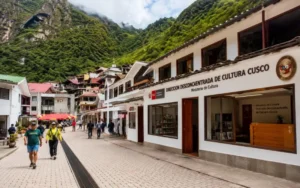
Direccion Desconcentrada De Cultura Cusco is a crucial cultural institution which is tasked with the protection and management of historical heritage in the Cusco region of Peru. It is part of the Ministry of Culture and is responsible for the conservation of archaeological monuments, archaeological sites, historical monuments, traditional culture and significant historical locations associated with the Inca culture.
Role in Cultural Heritage Protection
The institution has an important role to play in protecting and preserving such famous cultural sites, which are visited by millions of tourists annually. It also promotes the preservation of traditional practices, historical records and historic buildings that embody the Cusco region’s identity.
The Direccion Desconcentrada De Cultura Cusco is known by many Peruvian travellers due to its association with the world-famous archaeological sites and the numerous heritage sites in its jurisdiction within the Sacred Valley, which include the famous Machu Picchu and other destinations.
History of Dirección Desconcentrada de Cultura Cusco
The institution was created to reinforce the preservation of culture and heritage in the Cusco region. It has gained prominence over the years and has become one of the most significant cultural authorities to preserve archaeological and historical sites associated with Inca history.
The area is one of the most historically significant areas in South America, as Cusco was the capital of the Inca Empire. Because of the number of ancient temples, ceremonial locations and archaeological sites, cultural preservation was elevated to a national priority.
Growth and Modern Responsibilities
Over time, Direccion Desconcentrada De Cultura Cusco was progressively tasked with a broader range of duties, such as public cultural education, research supervision, tourism management assistance and heritage conservation. Today, the building still carries out some of the preservation works for many internationally recognised heritage sites.
Services Provided by Direccion Desconcentrada De Cultura Cusco
The institution offers several cultural and administrative services in relation to the management of heritage and tourism support.
Main services include:
- Archaeological site preservation
- Historical monument protection
- Cultural heritage management
- Tourist information support
- Services to obtain permission and authorisation.
- Research supervision
- Cultural event coordination
- Educational programs
It also collaborates closely with local authorities and tourism companies to preserve historical places and promote sustainable tourism.
The institution may also need to be contacted for permission or permits before activities in protected heritage areas by researchers, film-makers, historians, or cultural organisations.
Archaeological Sites Managed by Direccion Desconcentrada De Cultura Cusco
Several important archaeological and cultural sites are under the jurisdiction and protection of Direccion Desconcentrada De Cultura Cusco throughout the region.
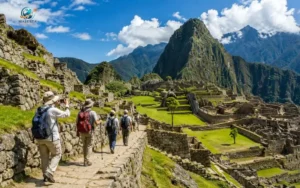
Machu Picchu
One of the most well-known heritage sites under its supervision is the well-known site of Machu Picchu. Preservation teams can help maintain the ancient structures, limit visitors’ impact, and preserve the surrounding environment.
Sacsayhuaman
Another important archaeological complex that is not far from Cusco city is Sacsayhuaman. It is famous for its large stone walls and its historical military value during the Inca era.
Qorikancha
Qorikancha was one of the most important temples during the Inca Empire. The school maintains the remaining historic buildings and assists with education about the site.
Sacred Valley Sites
The town of Ollantaytambo, as well as the towns of Pisac and Chinchero, have several places under heritage management programs in the Sacred Valley.
They are important culturally, architecturally and historically and draw visitors from around the world.
Role in Protecting Cusco Cultural Heritage
Direccion Desconcentrada De Cultura Cusco is responsible for cultural preservation, among other things. It constantly strives to preserve historical structure, ancient artefacts, and traditional cultural values.
Protection efforts include:
- Monitoring archaeological sites
- Preventing illegal construction
- Restoring damaged structures
- Preserving historical documents
- Supporting traditional festivals
- Educating local communities
Protection of the environment is also a critical factor, as the weather and tourist traffic may lead to degradation of ancient sites over time.
Therefore, the institution is not only dedicated to conservation efforts but also includes public education initiatives to promote responsible tourism and cultural awareness.
Importance of Tourism in Cusco
One of the greatest industries in the Cusco region is tourism, and the main reason for international tourists to visit the region is the cultural heritage sites.
Direccion Desconcentrada De Cultura Cusco is responsible for the preservation of these destinations through conservation projects, visitor management systems and policies of heritage protection.
If not preserved, many historical sites may be subject to structural damage because of tourism, environmental factors and/or urban development.
The institution thus promotes sustainable tourism by harmonising the use of the site with its conservation for the long term.
Tourists enjoy more well-maintained archaeological sites, better information available for visitors, and safer sites of heritage.
Visitor Services and Permit Information
Some protected heritage sites are not accessible to public tours, research or media in the absence of official guidance or permission.
The institution may be able to help with:
- Research permissions
- Filming permits
- Archaeological access requests
- Educational visits
- Heritage event approvals
- Tourist information support
Generally, visitors are asked to abide by preservation regulations when visiting archaeological sites. It is important to respect rules for the protection of historic sites, to ensure that they remain in the state that has been handed down through the ages.
Tourist restrictions could also involve the number of tourists, zones for exclusion and protection of the environment in historical areas of sensitivity.
Challenges in Heritage Conservation
There are several challenges involved with the protection of ancient heritage sites. With the rising number of tourists, pressure is put on historical sites, particularly world-famous ones such as Machu Picchu.
The following are some typical conservation problems:
- Overtourism
- Environmental damage
- Climate conditions
- Illegal construction activity
- Infrastructure pressure
- Restoration funding limitations
Soils and old stone structures can be unstable due to heavy rains, earthquakes and erosion.
Responding to these challenges, preservation professionals conduct regular surveys of archaeological sites and undertake conservation efforts to minimise the effects of future use.
Digital Services and Public Information
The role of cultural institutions in providing information and communication of heritage has been enhanced by modern technology.
Direccion Desconcentrada De Cultura Cusco today promotes digital access through information platforms and public communication systems via the internet.
Digital services could include:
- Visitor updates
- Permit information
- Heritage announcements
- Educational resources
- Public awareness campaigns
- Cultural event updates
Online accessibility is able to assist travellers and researchers in preparation before visiting protected cultural areas.
Digital systems also enhance transparency and facilitate communication with the public.
Future Plans and Cultural Preservation Projects
The institution is still engaged in further preservation strategies with the aim of enhancing long-term cultural protection in the region.
Potential objectives may be:
- Advanced restoration projects
- Improved systems for tourism management
- Expanded educational programs
- Improved environmental protection
- Digital heritage documentation
- International cultural cooperation
Other modern conservation technology can also facilitate monitoring of archaeological conditions for the preservation team.
Tourism is an ever-expanding phenomenon, and sustainable heritage management will continue to be one of the most significant roles of the institution.
Read Also: Taj Mahal Agra Travel Guide
Conclusion
The Direccion Desconcentrada De Cultura Cusco is a key component in safeguarding the cultural and archaeological heritage of the Cusco region. The institution safeguards part of the world’s most significant historical sites via heritage protection, conservation projects, educational programs and tourism management support.
It plays a crucial role in preserving archaeological sites like the Sacred Valley, Sacsayhuaman, Qorikancha, and Machu Picchu, as well as other cultural heritage sites. The demand for tourism and urban development continues to rise, and long-term cultural preservation will continue to be an important aspect of safeguarding the region’s historical heritage for future generations.
FAQs About Dirección Desconcentrada de Cultura Cusco
Qué es Dirección Desconcentrada de Cultura Cusco?
It is a cultural institution in charge of safeguarding archaeological sites, historical monuments and cultural heritage in the Cusco region.
Are they in charge of Machu Picchu?
Yes, the preservation and heritage management activities for Machu Picchu are supervised by the institution and the cultural authorities.
Why is it important to preserve culture in Cusco?
The city of Cusco is home to several significant sites of Inca heritage, which hold historical, cultural and archaeological importance for future generations.
Are permits available to researchers?
Yes, official permits for archaeological research, filming or cultural activities are likely to be required by researchers and organisations.
What services are offered at the institution?
Services encompass heritage conservation, information and orientation services for tourists, permits and licenses, educational programs and management of archaeological sites.
Does the IHTA support tourism management?
Yes, it does promote sustainable tourism by implementing conservation policies, visitor management and cultural protection programs.
What are the most serious problems with respect to the conservation of the heritage?
The main problems are over-tourism, environmental pollution, weather changes and conserving old buildings against their deterioration.