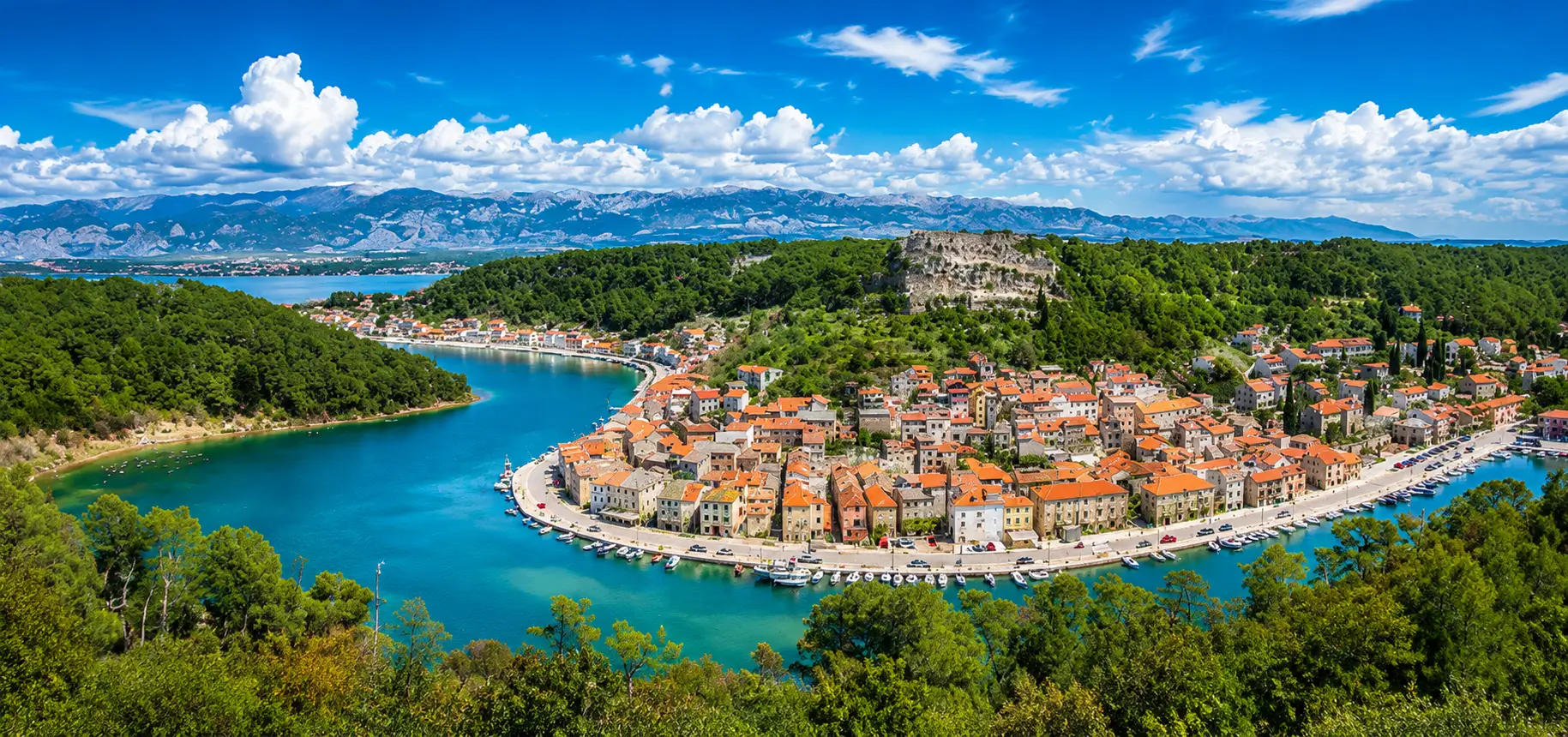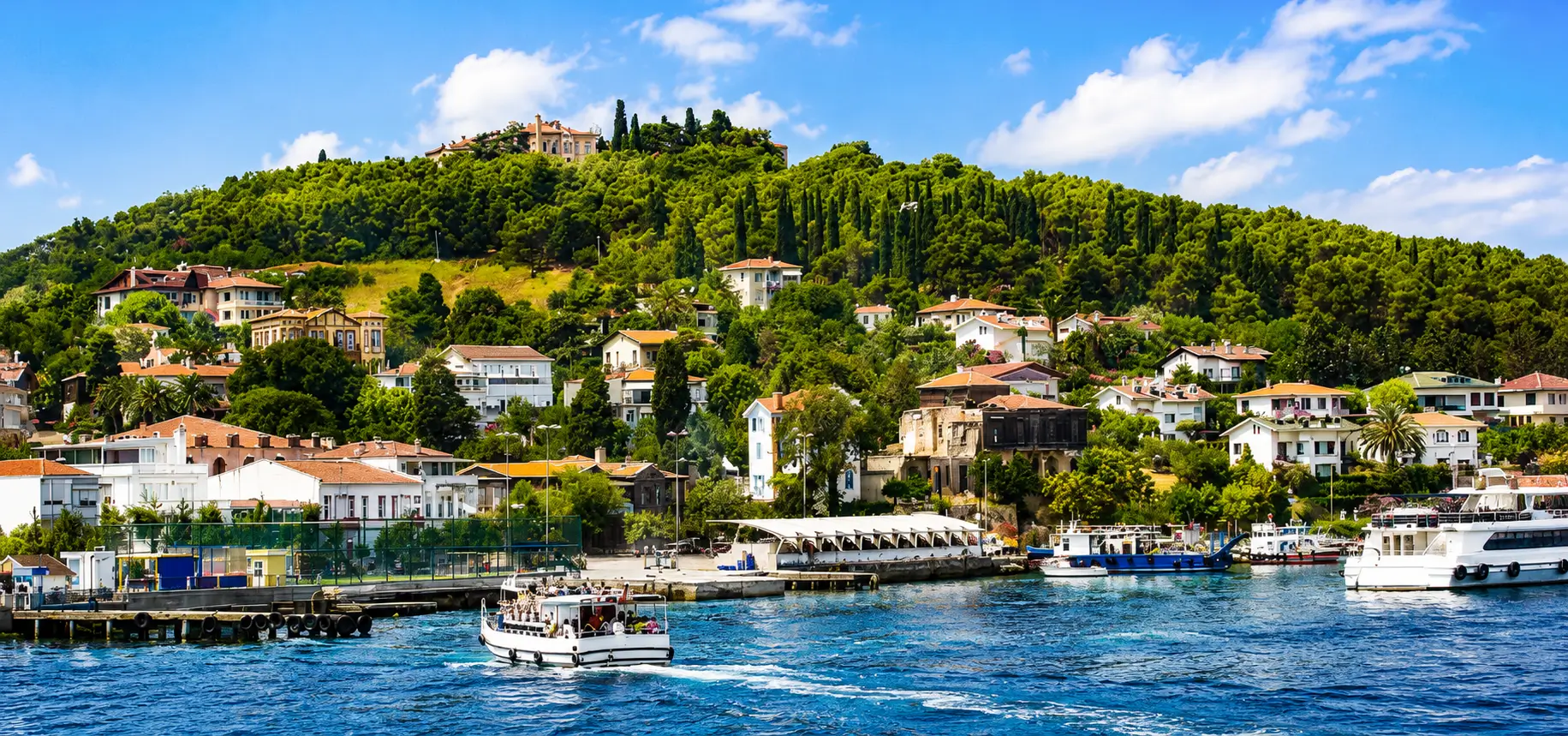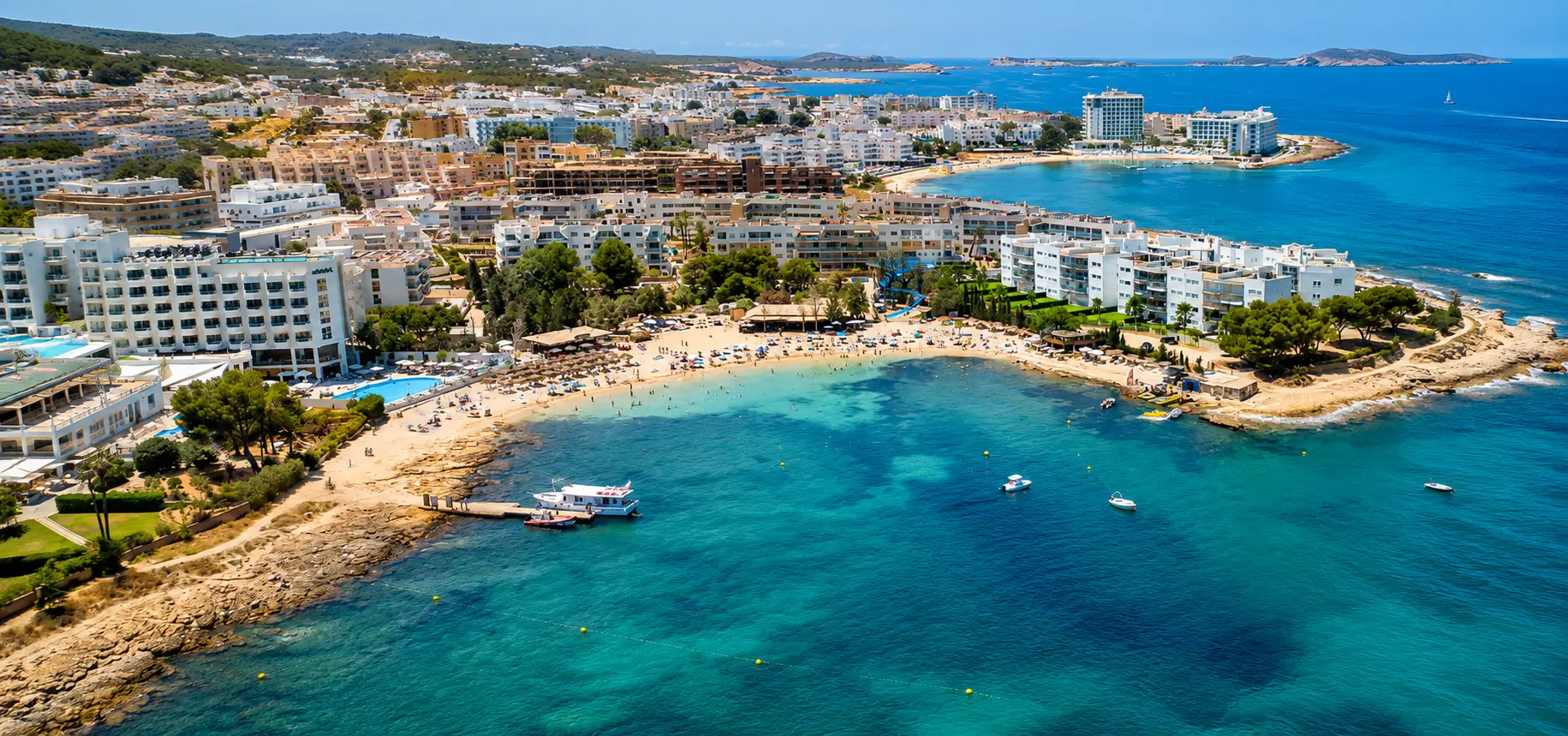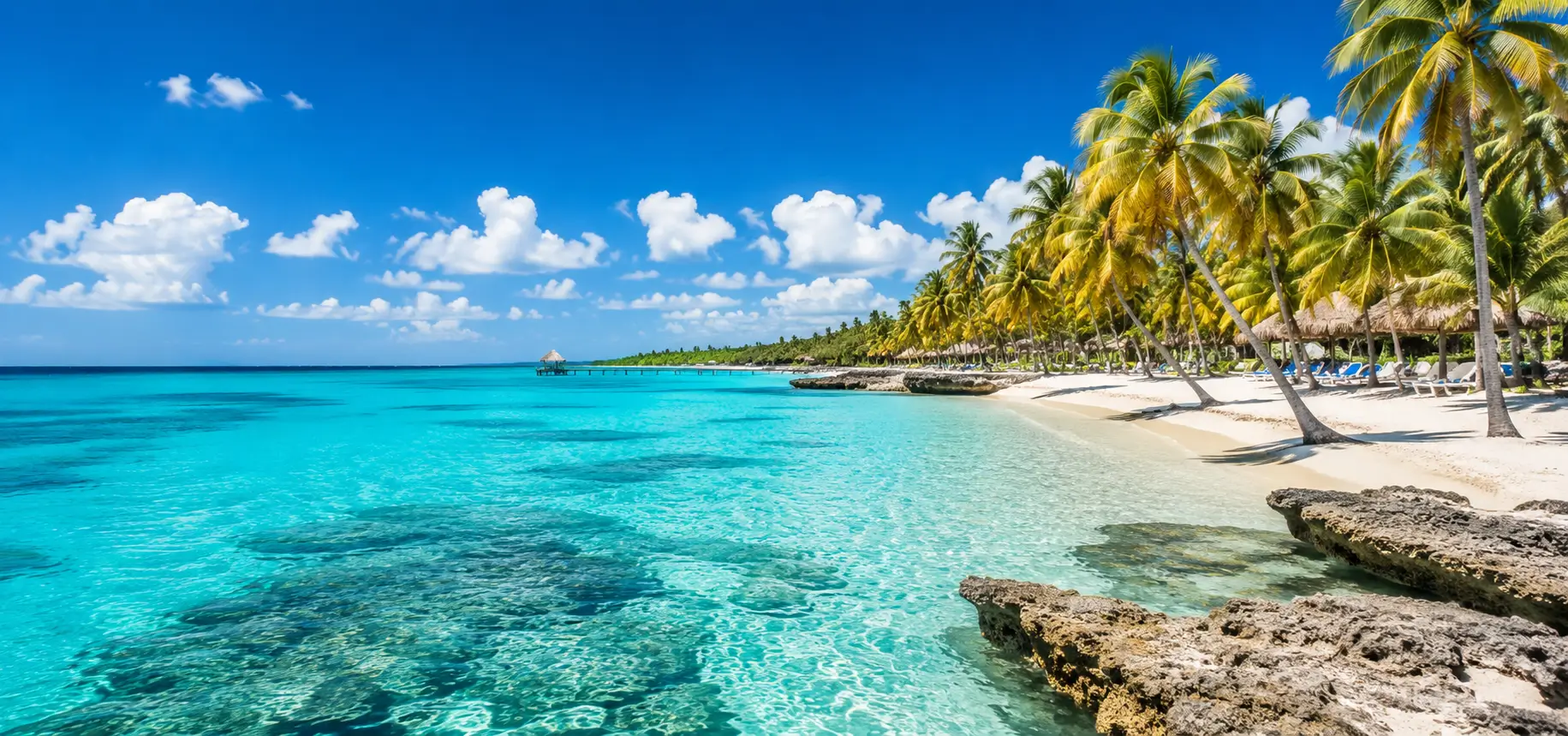
Zadar Croatia is one of the most beautiful coastal cities in Europe. It is well known for its history, its crystal-clear Adriatic Sea, and spectacular sunsets. Visitors can visit ancient Roman ruins, medieval churches, and lovely old streets. The city is also home to the world-famous Sea Organ and Greeting to the Sun, which make it perfect for nature lovers. Zadar is a place to relax and enjoy the time with many things to see and do. From short vacations to longer trips, Zadar has something to offer everyone.
Quick Facts About Zadar
| Information | Details |
| Country | Croatia |
| Region | Dalmatia |
| Coast | Adriatic Sea |
| Currency | Euro (€) |
| Language | Croatian |
| Time Zone | Central European Time (CET/CEST) |
| Nearest Airport | Zadar Airport (ZAD) |
| Best For | History, beaches, island hopping, national parks |
Where Is Zadar?
The historic city of Zadar lies in the north of Dalmatia along the Adriatic coast of Croatia. It is located approximately halfway between Zagreb and Dubrovnik, and is thus one of the most accessible places in the country. Zadar airport, international ferry routes, highways, and a well-developed bus network of major cities of Croatia provide a wide range of possibilities for getting to the city.
Zadar port is strategically positioned on the coast, and for over 3000 years it has been an important cultural trading center. The city has had an influence from the Liburnians, Romans, Byzantines, Venetians, Austrians, and modern Croatia. The remnants of these civilizations are amazing to see and marvel at today.
How to Reach Zadar, Croatia
Getting to Zadar Croatia is easy by the international airport, highways, buses, and ferries. Passengers coming from other European countries or who have booked a package of several Croatian destinations have various modes of transportation.
By Air
The airport of Zadar (ZAD) is about 12 km away from the centre of the city. It operates domestic flights as well as a significant number of seasonal international ones by both full-service and low-cost carriers.
In the summer months, during the tourist season, there are direct train connections from several European cities, connecting Zadar to the Dalmatian coast of Croatia. Usually, Americans fly from the USA to the major European cities and then onward to Zadar, for example, Frankfurt, Vienna, Amsterdam, London, or Istanbul.
There are several ways to get from the airport to the city:
- Airport shuttle buses
- Taxi services
- Rental cars
- Private airport transfers
Typically takes about 20 minutes to reach the Old Town, depending on traffic.
By Car
Croatia is one of the most flexible countries to explore by car, particularly for those who want to venture into the national parks and nearby coastal towns.
The A1 Highway links Zadar to the modern motorway system in Croatia, offering easy access from the following destinations:
- Zagreb
- Split
- Šibenik
- Rijeka
There is plenty of parking around the city, but limited on-site parking in the historic area during high tourist periods.
There are many reasons why many tourists hire a car after they come to Zadar Airport to go sightseeing beyond the city.
By Bus
The intercity bus service in Croatia is extensive and dependable.
There are frequent connections between Zadar and:
- Zagreb
- Split
- Dubrovnik
- Šibenik
- Rijeka
- Pula
The Old Town is within walking distance or just a taxi ride to the central bus station.
For those who want to travel from one Croatian city to another, long-distance buses are frequently the cheapest means of getting from one place to the next.
By Ferry
Zadar is one of the key hubs in Croatia for ferries.
The city is connected with a large number of Adriatic islands with the help of passenger and vehicle ferries:
- Ugljan
- Pašman
- Dugi Otok
- Molat
- Ist
- Silba
- Olib
- Premuda
Ferry crossings to other countries might be seasonal and should be checked before traveling.
Why Visit Zadar?
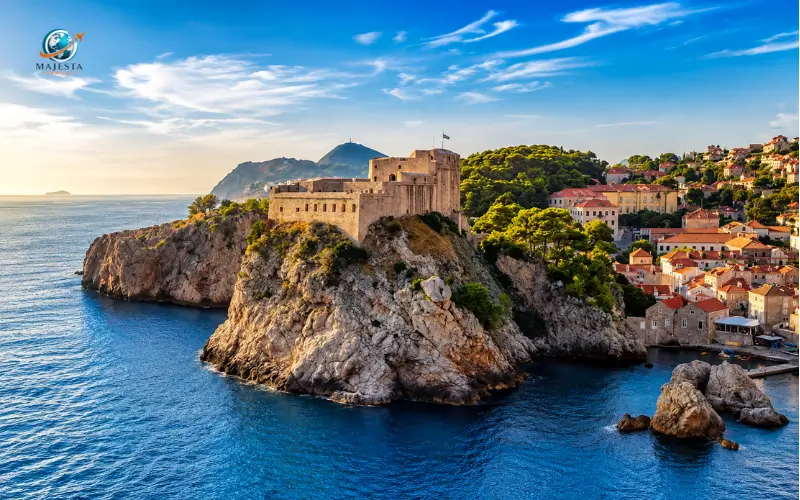
Often, travelers are exposed to Dubrovnik or Split for the first time, but those who already have some experience of Croatia’s longest coast are convinced that Zadar is one of the most rewarding cities, due to its history, culture, beaches, and nature, all of which seem to have no end and are not overwhelming.
The top reasons travellers opt for zadar croatia are:
- Roman archaeological remains
- Venetian defensive walls, listed by UNESCO.
- The renowned ‘Sea Organ’.
- Greeting to the Sun light installation
- Historic Old Town
- Beautiful Adriatic sunsets
- Sight of the Kornati National Park will be a breeze, as it is so accessible.
- The entrance gate to the Plitvice Lakes National Park.
- Fresh Mediterranean seafood
- Family-friendly beaches
- Superb links to nearby islands by ferry.
The city is a draw for many travelers, such as couples, solo travelers, photographers, families, cruise ship passengers, and digital nomads seeking a slower way of life in the Mediterranean.
A Brief History of Zadar
Zadar is one of the oldest continuously inhabited cities in the Adriatic area. The Liburnians had settled here far earlier than Roman times, as evidenced by the archaeological finds. The city was an important administrative and commercial center during the Roman era, and many of the city’s streets still follow the Roman grid system.
Zadar was under Byzantine rule after the fall of the Roman Empire and was one of the most important cities of the Venetian Republic. Under the rule of the Venetians, spectacular walls and monumental gates were built to defend the city against Ottoman attack. In 2017, UNESCO designated these fortifications as part of the “Venetian Works of Defence”.
Contemporary Zadar has succeeded in maintaining this rich legacy and making it a part of modern architecture and public art. Today, ancient Roman sites are easily accessible to walkers, with only a few minutes before they arrive at award-winning modern sites down on the waterfront.
What Makes Zadar Different from Other Croatian Cities?
Each of the destinations in Croatia is unique. The most renowned landmarks of Dubrovnik are its medieval walls, of Split its Diocletian’s Palace, and of Zadar its mix of ancient history and innovative public sculptures.
The Sea Organ is one of the most remarkable architectural installations in the city, which, in a truly perfect way, turns the movement of Adriatic waves into an ever-changing concert. Next to it is the Greeting to the Sun, which is a circular installation that generates colorful light displays after sunset and uses solar power. All of this represents the place of Zadar as a successful fusion of history and contemporary creativity.
Zadar is not just a place for historical sightseeing, but also an ideal location for swimming, sailing, hiking, kayaking, biking, and trips to the islands.
Is Zadar Worth Visiting?
Zadar is one of the most popular destinations in Croatia, according to many travelers. It combines history, beaches, local culture, and beautiful coastal views in one place.
The City is easily explored as most of the sights are within walking distance. Zadar is also an ideal base for visiting other islands and Dalmatian national parks, as visitors can take ferries or day tours from the city.
The quietness of the place, the fresh seafood, and the renowned waterfront sunsets are popular attractions. The sunset is associated with the name of film director Alfred Hitchcock, who claimed that it is one of the most beautiful in the world.
Best Experiences You Shouldn’t Miss
While visitors’ interests vary, these are always among the best things to see on a trip:
- Hear music made by The Sea Organ.
- See the colours evening show at Greeting to the Sun.
- Pass through the Roman Forum.
- Church of St. Donatus.
- Explore the UNESCO-listed Land Gate.
- Enjoy local seafood by the water.
- Ferry to nearby Adriatic Islands.
- See sunset from the western promenade.
These are all tourist attractions that make Zadar one of the most unique and interesting coastal locations in Croatia.
Top Attractions You Should Visit
Zadar Croatia, is home to historic and modern attractions. The majority of the restaurants are found in the Old Town and can be easily reached on foot. Each attraction is different, from ancient Roman structures to waterfront scenic views. Zadar is a city that offers something for everyone, whether you’re a history buff, a culture enthusiast, or a nature lover.
Sea Organ (Morske Orgulje)
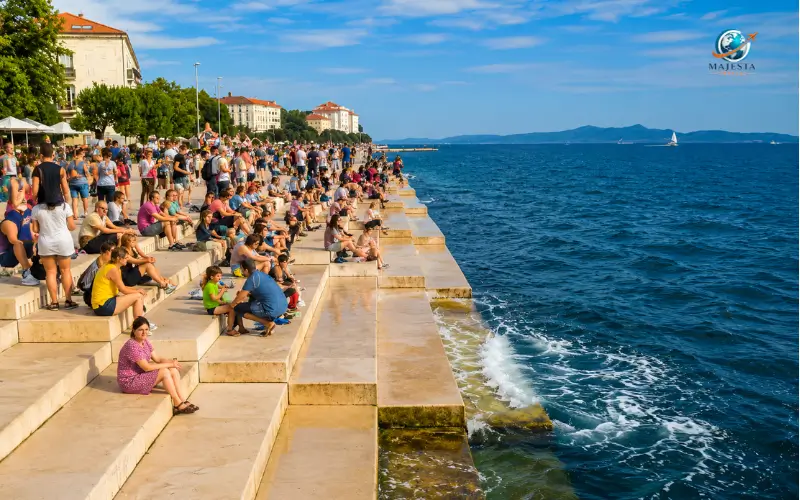
The Sea Organ is Zadar’s most popular attraction. It harnesses the power of sea waves to play natural music through pipes under the sea. If you want to see the most activity on the waterfront, visit at sunset time.
Visitor Tips
- Open 24 hours
- Free entry
- Best seen at dusk.
- Wheelchair accessible
- Ideal photo opportunities location
- Greeting to the Sun
Greeting to the Sun
The Greeting to the Sun is located next to the Sea Organ. It’s a huge solar-powered piece of art which is illuminated with colours after dark. One of the most enjoyable spots to have an evening by the sea.
Roman Forum
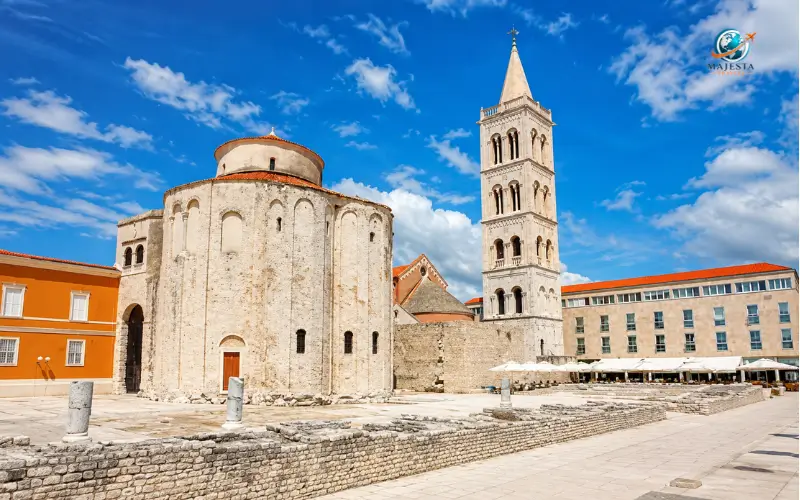
There are several historical sites found in the Roman Forum in Croatia, which is one of the oldest that can be found. Built under the Romans and was originally the hub of public life. Nowadays, tourists can stroll through the ruins and discover the history of the city of Zadar.
Church of St. Donatus
St. Donatus Church is one of the most well-known landmarks of the city of Zadar. It was constructed in the 9th century and is famous for its circular shape. The church is also used for concerts, due to its remarkable acoustics.
Cathedral of St. Anastasia
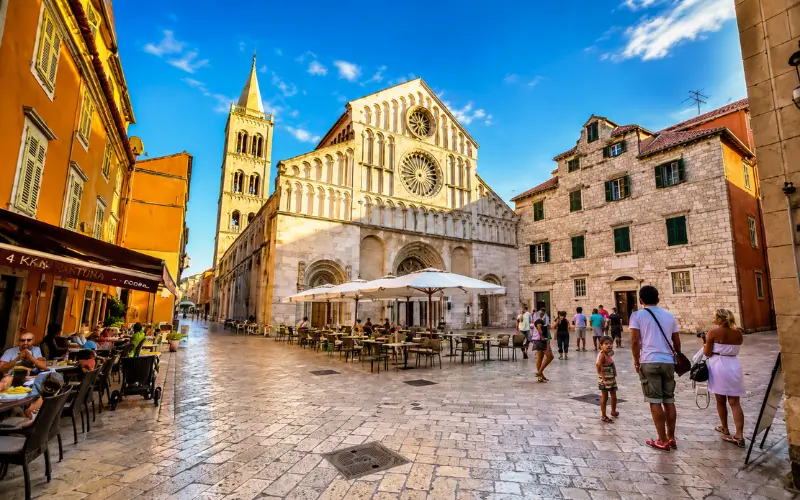
The biggest Cathedral in Dalmatia is the Cathedral of St. Anastasia. It is endowed with splendid Romanesque buildings and historic paintings. Visitors can climb up to the bell tower for a panoramic view of the Old Town andthe Adriatic Sea.
Land Gate (Kopnena Vrata)
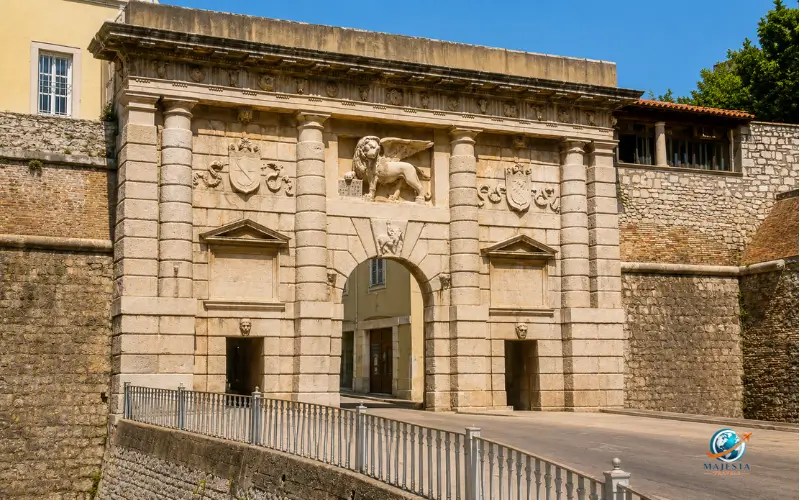
Built in 1543 under Venetian rule, the Land Gate is a remnant of the Venetian period. It was the principal entrance to the fortified city and is adorned with Renaissance elements. It is one of the most photographed historic monuments of Zadar today.
Five Wells Square
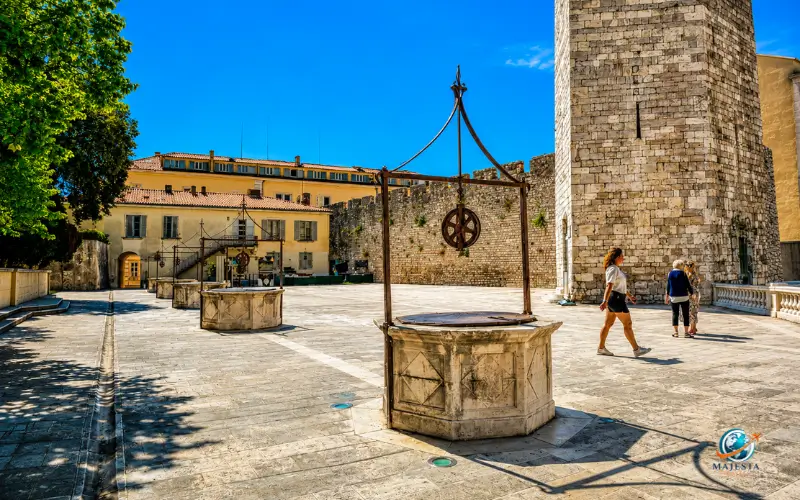
The 5 Wells Square is an historic public square in the centre of the city. It is believed that the five wells were constructed in the 16th century to supply water in times of invasion. Now, it’s a tranquil area for a stroll or for the community to gather for different events.
People’s Square (Narodni Trg)
For hundreds of years, People’s Square has been the hub of the city. Neighboring cafés, restaurants, and historic buildings. It is a popular stop for people to eat local cuisine or rest briefly during their time here.
Archaeological Museum
The Archaeological Museum showcases a range of prehistoric, Roman, and Medieval artifacts. It presents exhibits that enable visitors to learn about the rich history of Zadar. For those with an interest in archaeology and culture, it’s a wonderful spot.
Museum of Ancient Glass
The Museum of Ancient Glass has examples of Roman glass from excavations. Old bottles, bowls, jewelry, and decorative objects can be seen by visitors. There’s an opportunity to see live glass blowing sometimes, which makes it even more interesting.
Best Beaches in Zadar
While some visitors come to zadar croatia for its historical significance, the beaches here are also worth visiting. The waters of the Adriatic are exceptionally clear, particularly in the summer when the water is warm and pleasant for swimming.
Each beach has its own charm and can be best enjoyed by specific groups of visitors, from families with kids to those keen on adventure and water sports.
Kolovare Beach
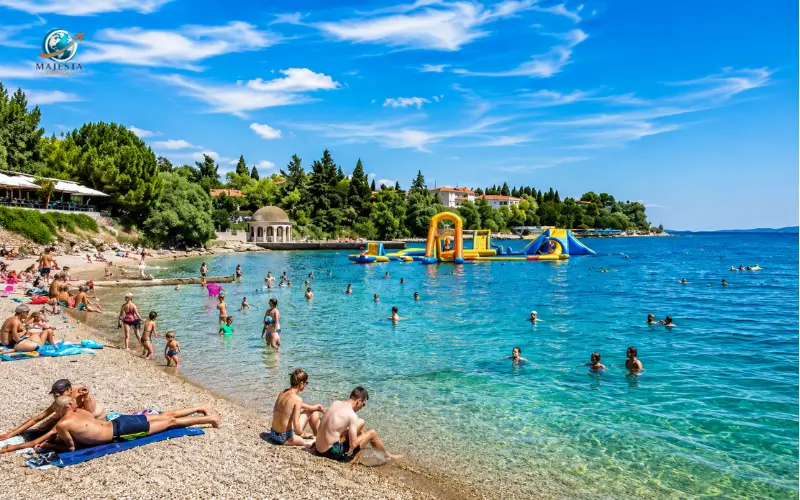
One of the city’s more popular swimming spots, Kolovare Beach is the closest major beach to Old Town.
Facilities include:
- Showers
- Changing rooms
- Cafés
- Restaurants
- Sunbed rentals
- Lifeguards during summer
It is very well located, so visitors can enjoy sightseeing and spend an afternoon at sea.
Borik Beach
Borik Beach provides both pebbles and sand, and many recreation opportunities.
It is very shallow and has a wide variety of facilities, which is a favorite among families.
Activities include:
- Jet skiing
- Parasailing
- Paddleboarding
- Beach volleyball
- Kayaking
For those who want to stay longer, hotels in the area are great options for Borik.
Diklo Beach
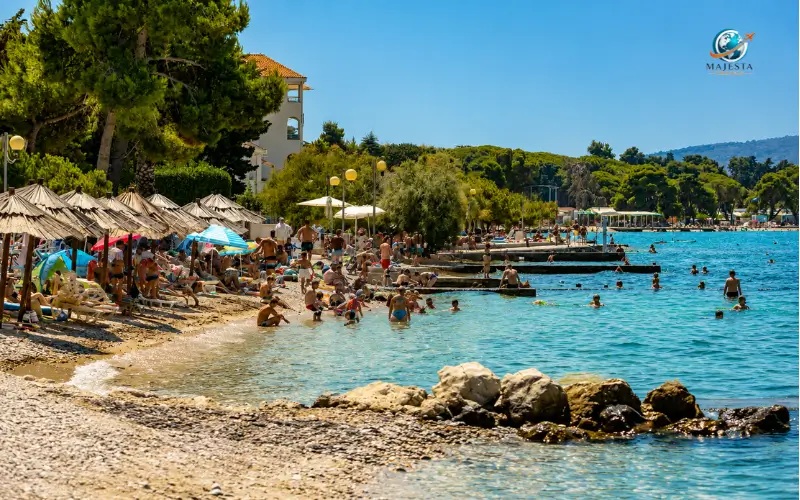
Diklo offers a more serene experience compared to other, noisy beaches in Zadar.
The shoreline runs for several kilometers and provides plenty of opportunities for swimming, sunbathing, and relaxing with a waterfront café.
It is especially popular among locals who prefer a more peaceful environment away from the busiest tourist areas.
Punta Bajlo Beach
Punta Bajlo is famous for its natural beauty and pristine waters.
During the hot summer afternoons, pine trees offer welcome shade, making it a good choice for travelers in search of relaxation.
The beach is less commercialized than Borik or Kolovare, and provides a more authentic coastal experience.
Hidden Gems Worth Exploring
There are also some not-so-well-known attractions to consider.
- Queen Jelena Madijevka Park
- Foša Harbor
- Riva Promenade
- University area
- Within Old Town, small artisan shops are scattered throughout the area.
- Local food markets
- Stone pathways, not far from St. Mary’s Church, that are quiet.
These calmer places offer an alternative to the city’s usual hot spots for visitors to experience normal life.
Walking Tour Recommendation
This is one of the best ways to explore Zadar with a self-guided tour.
Suggested route:
- Land Gate
- People’s Square
- Roman Forum
- Church of St. Donatus
- Cathedral of St. Anastasia
- Archaeological Museum
- Sea Organ
- Greeting to the Sun
- At the water’s edge, the sun is setting.
This walk is designed to take you around most of the city’s main attractions within a comfortable walking distance, and can be enjoyed in half a day, although many visitors opt to spend a full day to enjoy the various attractions at their leisure.
Best Time to Visit
Be sure to select the perfect travel season. With its unique Mediterranean weather, Zadar is a place to visit all year round, but each season has something special for everyone.
The summer or monsoon season (June to August) is the busiest season, as it is warm, has long days, and good swimming weather. Beach holidays, island hopping, and outdoor dining are best during this time, though so too are the prices of accommodation.
For many travelers, spring (April to May) and fall (September to October) are the ideal times to travel. It’s still nice weather, popular attractions are not as crowded, and the hotel rates are usually lower than in the summer.
It is quieter and colder in the winter months (November to March). Less popular, but visitors can take part in historical sightseeing with no crowds, and often hotel bargains are found. Croatia’s national tourism information says that the shoulder seasons are especially appealing to visitors who are not looking to go to the beach, but rather to experience the country’s culture, photography, and nature.
Weather Throughout the Year
| Season | Average Temperature | Best Activities |
| Spring (Apr–May) | 15–23°C | Walking tours, sightseeing, cycling |
| Summer (Jun–Aug) | 27–33°C | Beaches, swimming, island hopping |
| Autumn (Sep–Oct) | 18–27°C | Photography, food tours, outdoor cafés |
| Winter (Nov–Mar) | 8–15°C | Museums, history tours, local experiences |
The sea breezes ofthe Adriatic coast help to moderate the temperature during the summer months, which can occasionally exceed 35°C, particularly in the evening.
Getting Around the City
Zadar is easily and conveniently accessible. The city is small, and there are a lot of sights that are near each other. It is possible to explore the city easily by walking or public transport, both of which are preferred.
Walking
Zadar’s Old Town can be best explored by walking through it. The most popular sights, such as the Roman Forum, the Sea Organ, Greeting to the Sun, the churches, museums, and the sea promenade, are within walking distance.
Public Buses
The city center is well connected to the more popular zones such as Borik beach, Diklo, Kolovare, Ferry port, and surrounding areas by local buses. Public bus fares are low, and buses are scheduled to run all day.
Taxi Services
There are taxi services in all parts of the city, and they are easily accessible. The airport is also served by ride-hailing services, which further enhance the ease of travel and late-night convenience in Zadar.
Bicycle Rentals
You can rent bicycles for an excellent way to explore outside of Old Town. Cycling is a great way for visitors to travel, as there are dedicated cycling paths and scenic coastal roads.
Where to Stay in Zadar
Zadar is a place with a wide range of accommodation options, catering to all kinds of travellers. There are options available to fit your budget and travel style, whether you want to be close to historic attractions, relax by the beach, or live in a quieter neighborhood.
Old Town
For the first time visitor and history lovers, the Old Town is the best option. It’s close to most of the attractions, restaurants, museums, and waterfront, and has a lovely stroll to all.
Best for:
- First-time visitors
- History lovers
- Walking access
- Restaurants
- Museums
Borik
Borik is a popular tourist destination to stay close to the beach. It’s famous for its family-friendly hotels, water sports, and a luxurious resort feel.
Best for:
- Families
- Beach lovers
- Water sports
- Resort stays
Diklo
Diklo is a quiet neighborhood overlooking a beautiful set of waters. Ideal for couples, families, and those seeking tranquility and peace during their vacation.
Best for:
- Couples
- Families
- Long-term stays
- Relaxation
Arbanasi
Arbanasi is a peaceful residential neighborhood near the city center. It provides a more local experience while still being close to Zadar’s main attractions.
Accommodation Options
There are many different places to stay while visiting.
Luxury Hotels
Perfect for tourists looking for:
- Sea views
- Spa facilities
- Swimming pools
- Fine dining
- Concierge services
Boutique Hotels
The historic buildings in the Old Town have been transformed into charming little hotels, harmonizing with traditional architecture by using the latest amenities.
Apartments
Holiday apartments are still one of the most sought-after types of accommodation.
Benefits include:
- Kitchen facilities
- Extra space Reduced overall family expenses
- Flexible meal planning
Hostels
For budget-conscious travelers, hostels can be found near the Old Town that are clean and modern, and are ideal for backpackers and solo travelers.
Estimated Daily Travel Budget
Travel rates may differ depending on travel methods and time of year.
| Travel Style | Estimated Daily Budget |
|---|---|
| Budget | €60–90 |
| Mid-range | €120–220 |
| Luxury | €300+ |
Frequently, these estimates cover accommodation, meals, local transport and sightseeing, but not international flights.
Money-Saving Tips
There are a few practical ways to save money on travel.
- Go in the month of May, June, September or October.
- Make reservations several months ahead of time.
- Buy local supermarket food.
- Walk through and around Old Town.
- Take advantage of public transportation rather than taxis.
- Experience additional free attractions like the Sea Organ, Roman Forum and waterfront promenade.
- Look at ferry timetables before making journeys across the islands.
Suggested Itineraries
Two-Day Itinerary
Day One
- Land Gate
- People’s Square
- Roman Forum
- Church of St. Donatus
- Cathedral of St. Anastasia
- Sea Organ
- Greeting to the Sun
Day Two
- Kolovare Beach
- Archaeological Museum
- Local seafood lunch
- Sunset walk
- Evening on the water’s edge
Three-Day Itinerary
If you have one more day, try a full-day excursion!
Popular options include:
- Enjoy a boat tour around the islands of the Kornati National Park.
- A hike at Paklenica National Park.
- Insular tour of Dugi Otok Island.
- A day trip to the Krka National Park.
- A day tour of Plitvice Lakes National Park.
These are the places that highlight the beautiful natural landscape of Croatia, and complement the cultural experience that is offered within the city itself.
Essential Travel Tips
Here are some helpful tips:
- The Euro (€) is the official currency.
- Both credit and debit cards are accepted.
- Tourist areas, hotels, and restaurants usually use English as the language of communication.
- City water is potable throughout the city.
- Walking shoes are recommended as there are many smooth stone paving floors in the Old Town.
- During the summer, it is recommended to bring sunscreen and a reusable water bottle.
- The ferry timetables may vary subject to the weather; please check timetables before travelling.
Here are some tips to make your visit easier and more enjoyable.
Is zadar croatia Safe for Tourists?
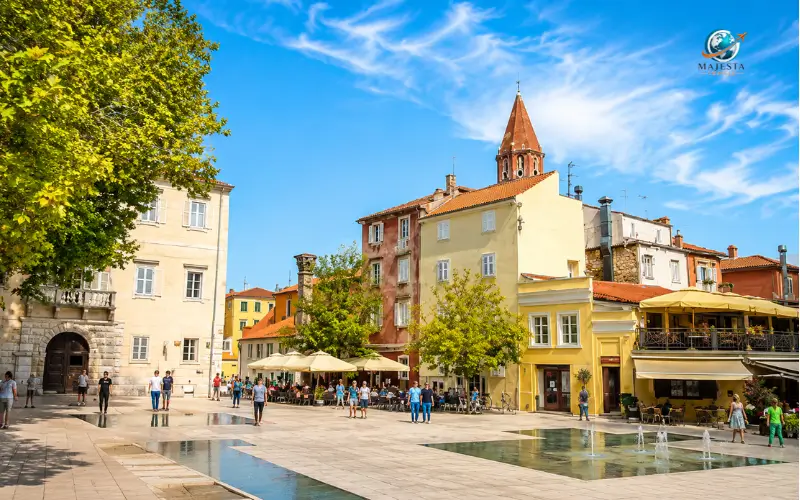
Many international tourists prefer zadar croatia for their holiday, as one of the reasons is safety. With its reputation as one of the safest places in Europe, Croatia is usually a welcoming place for solo travelers, couples, families, and seniors. Zadar is definitely one of the cities where you can feel welcome as a solo traveller, as a couple, as a family, or as a senior citizen. Violent crime occurring against tourists is rare, but visitors should take normal precautions, particularly in public places at busy times or during the summer. U.S. Department of State advises travelers to take normal precautions while traveling to Croatia (lowest general advisory level).
To have a hassle-free trip:
- Make sure valuables are out of reach in busy places.
- Always take a taxi or trusted ride-hailing service.
- Be sure to drink plenty of water in the summer.
- Take local swimming and boating safety recommendations.
- Carry a copy of important travel documents.
Emergency services are excellent, and the European emergency telephone number, 112, is active all over Croatia.
Traditional Food You Should Try
Zadar cuisine is a reflection of the centuries of influence of the Mediterranean, where fresh seafood, olive oil, local cheeses, and seasonal vegetables are the leading choices. Numerous restaurants use local ingredients and local coastal areas, which can give visitors some of the original flavors of the region.
Popular dishes include:
- Black Risotto (Crni Rižot) – Made with the ink of cuttlefish and squid.
- Grilled Adriatic Fish – Usually accompanied by olive oil, potatoes, and Swiss chard.
- Pašticada – A slow-cooked beef dish traditionally served with homemade gnocchi.
- Octopus Salad – A refreshing seafood appetizer.
- Pag Cheese (Paški Sir) – One of the most popular cheeses in Croatia.
- Fritule – Small fried pastries, often eaten as a dessert.
The restaurants lining the waterfront are especially popular at dusk, when one can see the sunset, and serve local fare.
Shopping in Zadar
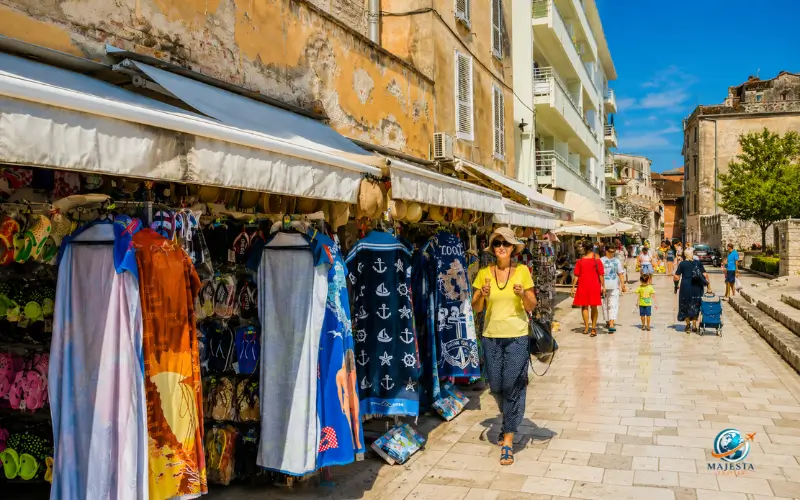
Shopping possibilities range from traditional markets to modern shopping centers. In the Old Town, it is possible to visit the shops and buy souvenirs made by artisans, olive oil, lavender products, handmade jewelry, or Croatian wines.
Some suggested shopping tips are:
- The gift shops in Old Town are good for shopping.
- Local food markets
- Boutique clothing stores
- Handmade ceramics
- Olive oil producers
- Local wineries
- Regional delicacies
If you are a larger store and/or an international brand, there are other shopping centers outside the historic center.
Nightlife and Evening Entertainment
The city of Zadar has a relaxed vibe, as all cities do in Europe, but during the tourist season evenings are not at all dull.
Some of the most popular experiences at night are:
- Waterfront cocktail bars
- Live music venues
- Outdoor cafés
- Wine bars
- Beach bars
- Summer cultural festivals
- Open-air concerts
It is common to stay all evening, soaking up the atmosphere of the Riva promenade, the Sea Organ and the illuminated Greeting to the Sun, before going out for dinner in one of the many restaurants in the city.
Best Day Trips from Zadar
Zadar’s other assets include its proximity to some of the most famous natural wonders around Croatia. There are great day trips available that are close to the home base, whether you like hiking, boating, waterfalls, or exploring the islands.
Kornati National Park
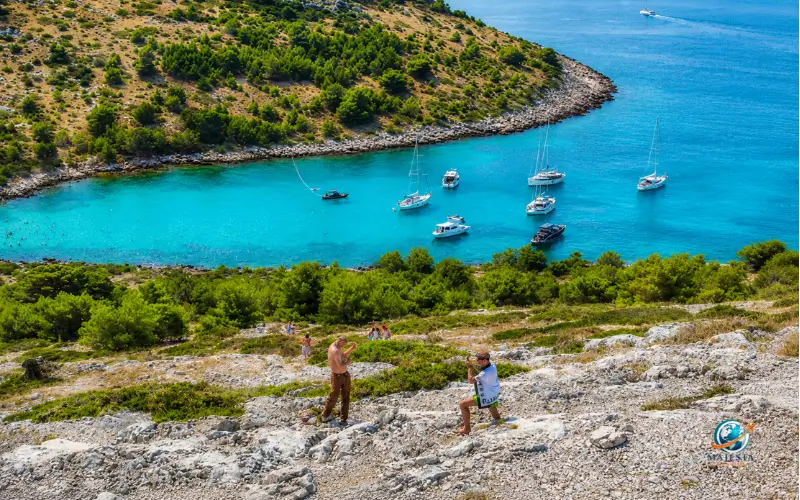
Kornati National Park is a large chain of islands and a beautiful part of the Adriatic Sea, famous for the dramatic view of the islands. Zadar offers boat excursions for visitors to explore the hidden bays, enjoy snorkeling, and take in the views of the coast.
Plitvice Lakes National Park
A UNESCO World Heritage Site, Plitvice Lakes National Park is famous for its interconnected lakes, waterfalls, and wooden boardwalks. It is one of the most visited natural attractions and can be reached as a day trip from Zadar.
Paklenica National Park

Paklenica National Park is a popular tourist destination for adventure activities such as hiking, rock climbing, and exploring the dramatic limestone canyons of the Velebit mountain range.
Krka National Park
The waterfalls, walking routes and biological diversity are all spectacular features of Krka National Park. Many organised tours from Zadar include the transport and guided tour of sights.
Dugi Otok
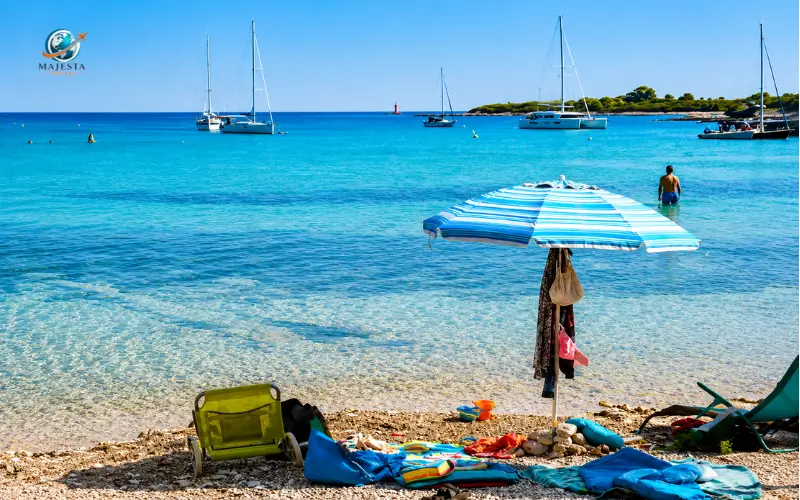
Dugi Otok is accessible by ferry, and has peaceful beaches, dramatic sea cliffs and Telašćica Nature Park. It’s a great place for those who want to experience a more relaxed island.
The Croatian National Tourist Board says these parks are among the most visited protected natural areas in Croatia and are visited by tourists from all over the world.
Sustainable Travel Tips
With responsible tourism, Zadar’s cultural heritage and natural beauty are kept for future generations.
Here are a few ways that visitors can help:
- Bringing water bottles to school for re-use.
- Respecting historic monuments.
- Correct disposal of waste.
- Supporting local businesses.
- Selecting a locally run lodging.
- Following marked hiking trails.
- Swimming and boating safely to protect marine life.
It’s possible to make a difference with simple actions and improve the travel experience at the same time.
Common Mistakes First-Time Visitors Should Avoid
Travelers can save themselves from unnecessary inconveniences by planning.
The following are some of the typical errors:
- Only coming to visit for one day without seeing nearby attractions.
- Not making a booking in advance during the summer season.
- Underestimating distances walked in hot weather.
- Not packing sunscreen if it’s the summer season.
- Failure to adhere to ferry schedules for trips to and from islands.
- Unaware of the use of appropriate footwear on historic stone streets.
Avoiding local restaurants that are serving seafood.Eating out at restaurants instead of locally owned eateries that are serving seafood.
If you can prevent these pitfalls, you can have a more relaxing and satisfying vacation.
Final Thoughts
When visiting Zadar, you can experience history, culture, stunning beaches, and unbeatable vantage points all in one place. Whether it’s the ruins of ancient Rome, medieval church steps, or the famous Sea Organ and beautiful Adriatic sunset, there is something for everyone to enjoy. This beautiful seaside town has something for everyone, from a day trip to a long vacation, whether you’re in for a short visit or a long-term stay.
Must Read: Kotor Montenegro Travel Guide 2026
Annecy France | Complete Travel Guide
Split Croatia Travel Guide
Frequently Asked Questions
How many days should I spend in Zadar?
A 2-3 day stay allows you to explore the Old Town, the main attractions, beaches, and even go for a day trip or two. Those looking for national parks or an island-hopping experience might want to plan a more extended trip.
What is the best month to visit Zadar?
The months of May, June, September, and early October tend to be better in terms of weather, crowds, and price, compared to the summer months.
Is Zadar expensive compared to other Croatian cities?
It is also claimed that Zadar offers a similar balance of coastal beauty, historical sites, and cultural attractions, but at a more reasonable price than Dubrovnik. Prices are different as per the season and type of accommodation.
Can I visit Plitvice Lakes from Zadar in one day?
Yes. Plitvice Lakes National Park is a popular full-day excursion from Zadar, and can be visited by organised tour, rental car or intercity bus.
Is English widely spoken in Zadar?
Yes. Many hotels, restaurants, tourist sites and shops use English as the language of communication, which allows foreign visitors to easily communicate.
What is the nearest airport to Zadar?
Zadar Airport (ZAD) is the closest airport to Zadar, which is about 12 kilometers (7.5 miles) away from the city center. It provides domestic and overseas flight services.
Is Zadar suitable for family vacations?
Yes. Zadar’s Old Town is easily walkable, its beaches are child-friendly, there are parks, museums, and easy access to nature-based day trips; it’s a great place for all ages to visit.