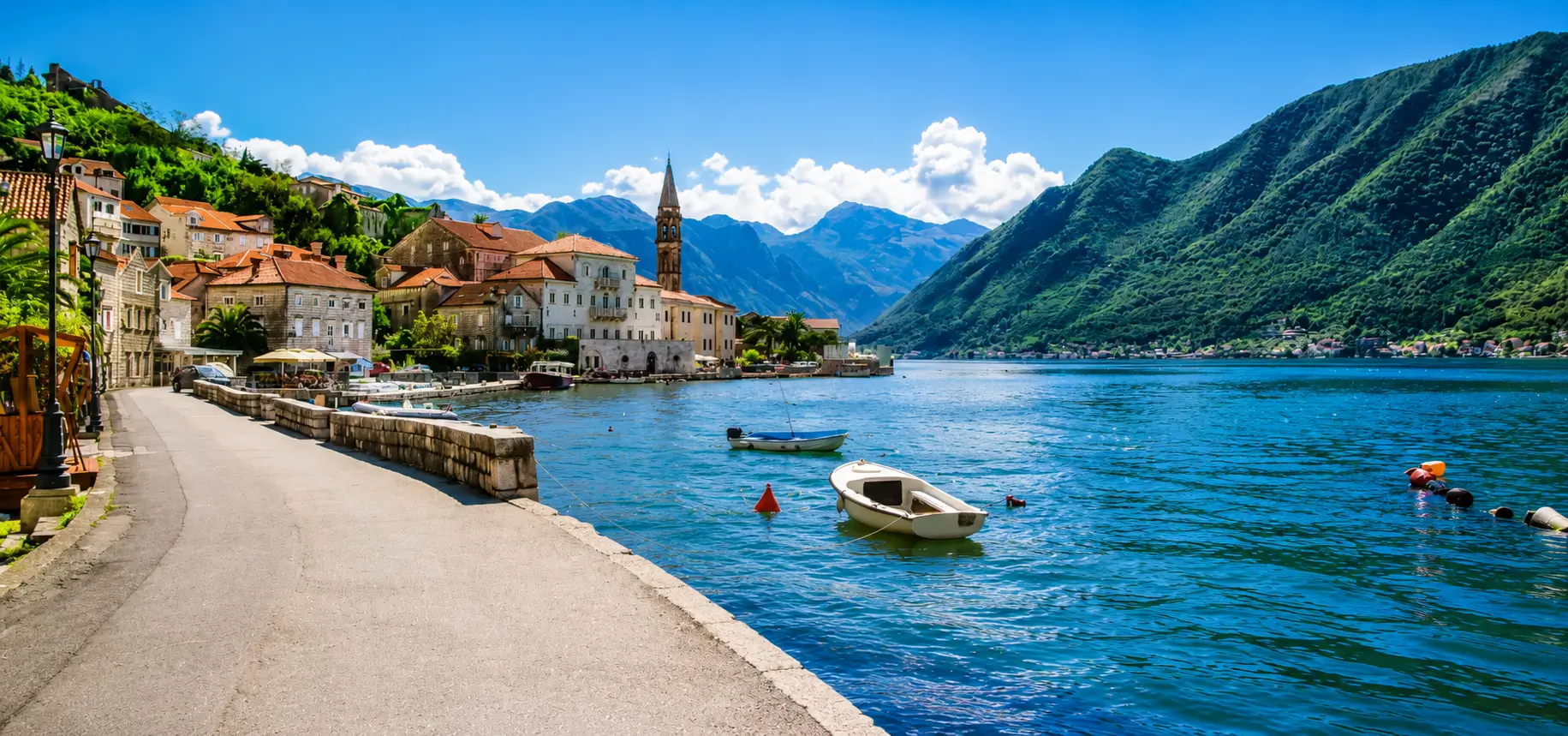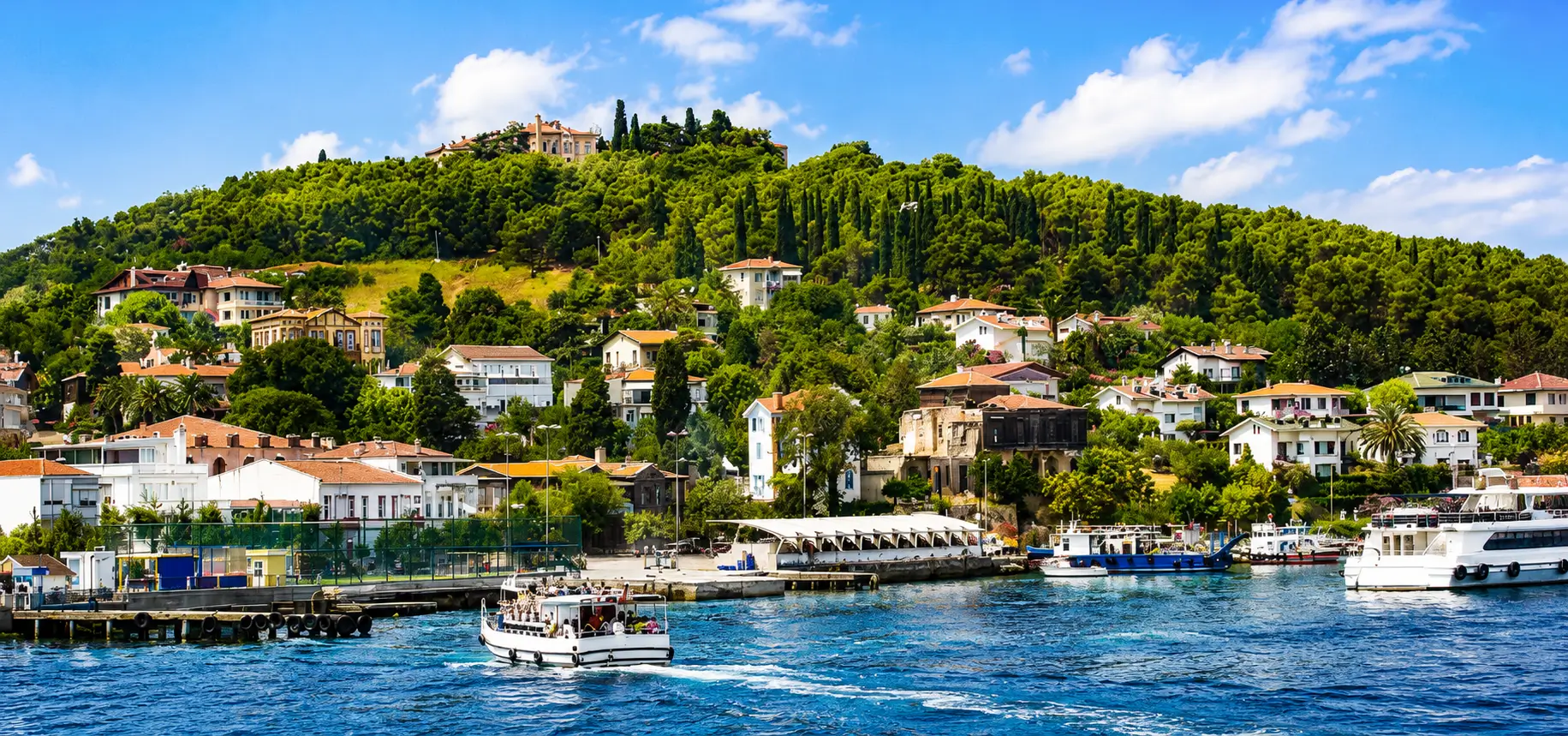
Kotor Montenegro, is one of the most beautiful travel destinations in Europe. Famous for its Old Town, bay, and beautiful mountain scenery. The town is a part of the UNESCO World Heritage Site and is a popular tourist destination. Walk down old streets, visit historic churches, and take leisurely boat trips. Kotor also has excellent local cuisine, stunning views, and outdoor activities. Kotor has something for all travelers, both short-term and long-term. The following guide will be helpful in planning your visit, with some of the most popular attractions and essential information.
Quick Information
| Information | Details |
| Country | Montenegro |
| Region | Bay of Kotor (Boka Bay) |
| UNESCO Status | UNESCO World Heritage Site |
| Nearest Airport | Tivat Airport (TIV) – 8 km |
| Currency | Euro (€) |
| Language | Montenegrin |
| Time Zone | Central European Time (CET/CEST) |
| Best Time to Visit | May to June and September |
| Famous For | Medieval Old Town, Bay of Kotor, San Giovanni Fortress |
| Ideal Trip Length | 2–3 Days |
| Popular Activities | Walking tours, hiking, boat trips, sightseeing |
| Suitable For | Couples, families, solo travelers, cruise visitors |
Where Is Kotor Located?
Kotor is located in the south-west of Montenegro in the Bay of Kotor (Boka Kotorska) – one of the most renowned natural landmarks in Montenegro. The bay is sometimes referred to as Europe’s most southerly fjord, but it is actually a submarine river canyon. The surrounding mountains provide dramatic scenery, which attracts photographers and outdoor enthusiasts from all over the world.
It is strategically positioned with easy access to several neighbouring destinations.
| Destination | Approximate Travel Time |
| Tivat Airport | 15–20 minutes |
| Budva | 30–40 minutes |
| Perast | 20 minutes |
| Herceg Novi | 45 minutes |
| Dubrovnik, Croatia | Around 2–3 hours (depending on border crossing) |
How to Get to Kotor
If you are planning on visiting Kotor, you will find it a lot easier with advance arrangements. There is no airport in the town, but there are three international airports depending on your trip and the prices of your flight.
Tivat Airport (TIV) – The Most Convenient
Tivat Airport is only about 8 km (5 miles) from Kotor, making it the closest airport. The taxi ride takes about 15 minutes and doesn’t involve any international border crossings. It is the best choice for travellers who come primarily to visit Kotor.
Dubrovnik Airport (DBV), Croatia
Kotor is around 70 km (43 miles) away from Dubrovnik Airport. There are usually plenty of flights, but the passengers need to be prepared for an extra hour of travel, as they have to cross the border with Montenegro and Croatia, particularly during the summer.
Podgorica Airport (TGD)
Podgorica Airport (90 km/56 miles from Kotor) is another good choice if you are interested in visiting the central and northern parts of Montenegro, before heading to the coast.
| Airport | Distance to Kotor | Average Drive Time | Best For |
| Tivat (TIV) | 8 km | 15 minutes | Fastest and easiest access |
| Dubrovnik (DBV) | 70 km | 90 minutes or more | Combining Croatia and Montenegro |
| Podgorica (TGD) | 90 km | 90–120 minutes | Exploring more of Montenegro |
Why Visit Kotor Montenegro?
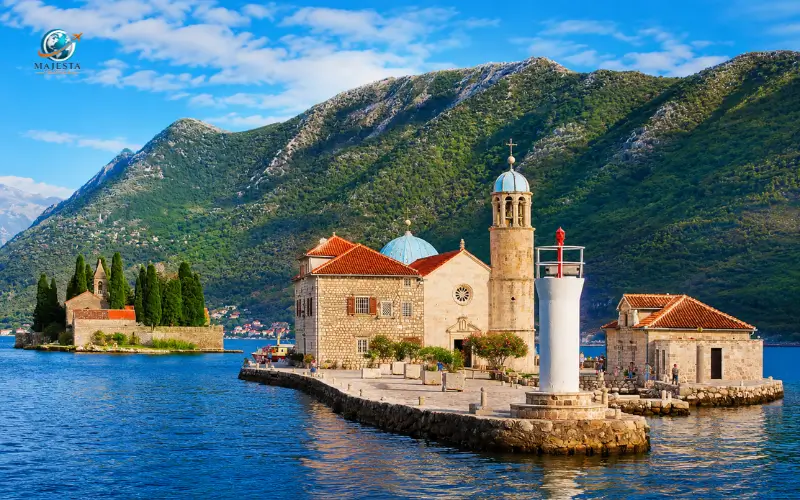
Kotor is more than a seaside town. One of Europe’s best-preserved medieval settlements, it is surrounded by defensive walls that reach high into the mountains above. The architecture is Venetian, churches are Romanesque, the squares are active, and the cafes are delightful, all of which endear the area to feel like you are in a timeless world.
The city is also a great starting point for exploring the surrounding Bay of Kotor, with the charming coastal towns of Perast, Dobrota and Prčanj providing more cultural and scenic experiences. Hiking, boat trips, kayaking, sailing and panoramic tours are available, as well as one of the most beautiful landscapes in the Adriatic.
The main attractions for travellers of Kotor are:
- Being a UNESCO World Heritage Site
- The scenic Bay of Kotor is a marvelous destination.
- Medieval Old Town
- Old churches and museums
- Excellent seafood restaurants
- Popular cruise destination
- It is not as expensive as many other seaside cities of the western part of the continent.
- Easy day trips throughout Montenegro
A Brief History of Kotor
The history of Kotor is over 2,000 years old. The town at various times was under Roman, Byzantine, Venetian, Austrian, French, and Yugoslav rule. Today’s architecture represents almost four hundred years of Venetian domination, whose influence is seen in the elegant palaces and churches, squares, and defensive walls.
Throughout the centuries, it withstood the ravages of war, earthquakes, and change in government without losing much of its medieval character. Today, walking through the Old Town is like entering an open-air museum, in which each street is a part of Montenegro’s maritime history.
Top Attractions You Shouldn’t Miss
The most obvious benefit of residing in Kotor is that numerous of the best attractions are within walking distance.
Kotor Old Town
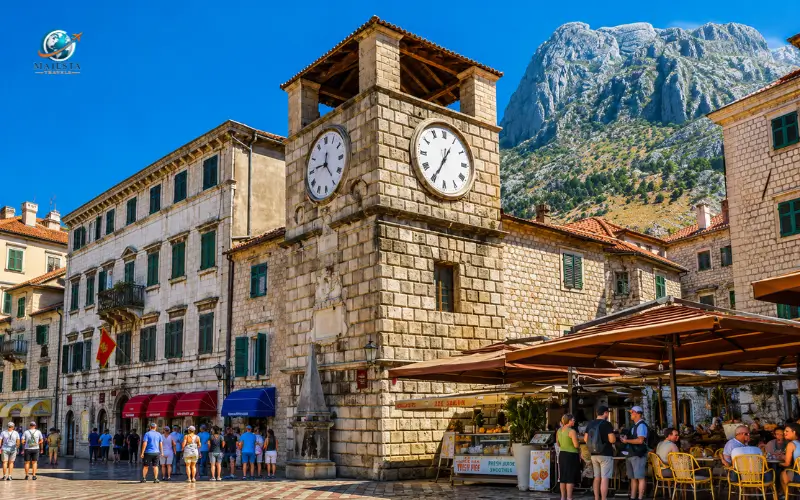
The Old Town, which dates back to the Middle Ages, is the city’s core. Stone buildings, inviting alleys, vibrant squares, cafés, and historic churches provide an unforgettable ambiance. It’s a place where visitors tend to wander through at their own pace for several hours, as there’s almost a photo opportunity around every corner.
Notable landmarks include:
- Clock Tower
- Cathedral of Saint Tryphon
- Maritime Museum
- Square of Arms
- Orthodox churches
- Historic city gates
The Old Town is one of the most well-preserved medieval city centers on the Adriatic coast.
San Giovanni Fortress
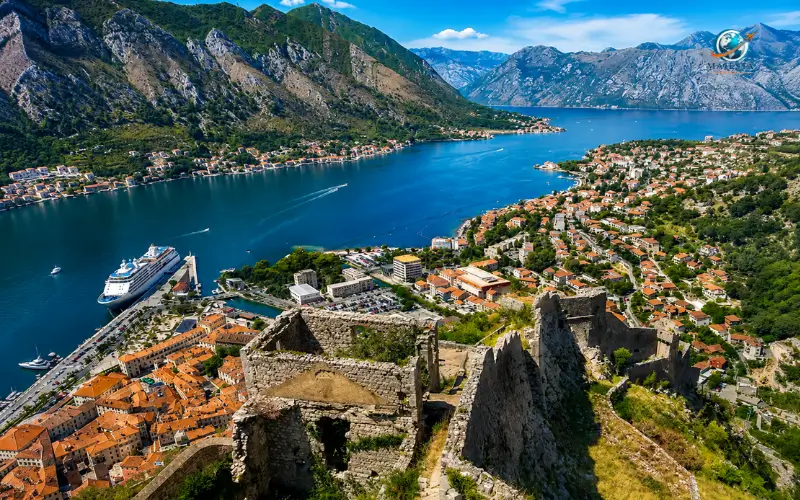
A very characteristic experience in Kotor is to go up to the fortress of San Giovanni (St. John’s Fortress). The path runs along old stone walls, above the town, offering a view over the Bay of Kotor.
There are over 1300 stone steps in the climb, so it is advisable to have soft shoes on and to bring water, particularly in the summer months.
The best times to take photos are early morning or late afternoon when the light is less intense, and the temperature is cooler.
Bay of Kotor
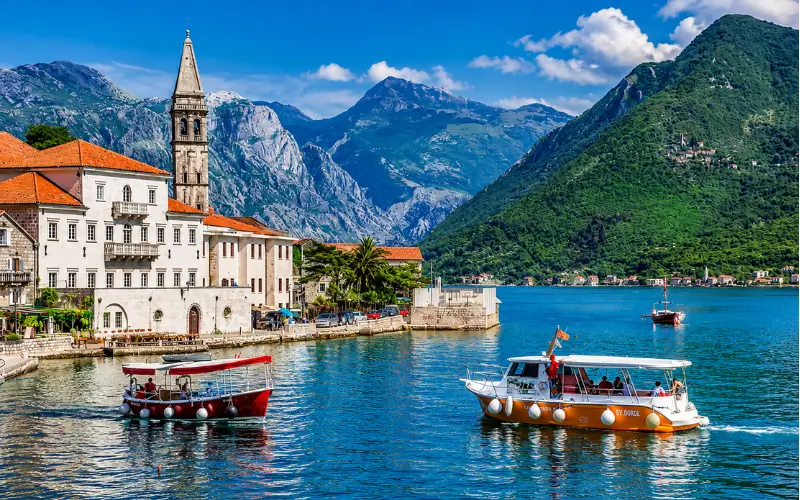
This bay is a place of interest to explore. Visitors can enjoy the hidden coves, historic villages, and stunning coastal scenery from the sea on boat tours.
Popular excursions include:
- Scenic bay cruises
- Sunset boat tours
- Blue Cave excursions
- Kayaking adventures
- Sailing experiences
The landscape that is formed by mountains and the Adriatic Sea is one of the most unique places in southeastern Europe.
Best Time to Visit
Kotor is a tourist favourite all year round, but each season has something different to offer.
Spring (April–May)
One of the best times to visit is the spring season. The weather’s nice, the flowers are in bloom all over the bay, and the popular attractions are not too crowded. Hiking conditions are also good!
Summer (June–August)
The summer season is the most crowded tourist season. The weather, long days, boat trips, outdoor meals, festivals, and festive nightlife are all expected during the visit. But the busiest time of the year is from July through August when people arrive for a cruise or go on vacation.
Autumn (September–October)
September is a popular period for travelers, especially those who have been traveling for a long time, as the sea is still warm and the number of people is not yet that high. During the off-season (outside of the summer months), accommodation becomes more affordable.
Winter (November–March)
Winter offers a quiet time, with less tourist traffic. Swimming is less popular, but during this low season, travelers interested in history, photography, and the local culture enjoy visits.
| Season | Weather | Crowds | Recommended For |
| Spring | Mild | Low | Sightseeing & hiking |
| Summer | Hot | High | Beaches & boat tours |
| Autumn | Pleasant | Moderate | Photography & relaxed travel |
| Winter | Cool | Low | Culture & budget travel |
Late May, early June or September is considered to be the best time to travel for a combination of nice weather, fewer tourists and lower prices.
Getting Around Kotor Montenegro
One of the reasons why travelers love to visit Kotor Montenegro is that the Old Town is small and can be reached easily from the car park on foot. The medieval center is pedestrian, and most of the attractions, restaurants, and cafés are located within a short distance.
Out of the Old Town, visitors have the option of:
- The rural bus service to other towns in the area.Rural bus services to other towns nearby.
- Licensed taxis
- Rental cars
- Private transfers
- Boat cruises around the bay
If you are planning on visiting the Perast National Park, Budva National Park or Lovćen National Park, having a car will give you the most flexibility. However, in the summer season, it can be hard to park close to the Old Town, so it is recommended to arrive early.
Best Day Trips
The best thing about staying in Kotor is its location. Numerous great places are just a short drive or boat ride away.
Perast
Perast is only 12 km from Kotor, and is renowned for its tranquil waterfront and Baroque architecture. The typical visitor stays for 2-4 hours and then returns home.
Our Lady of the Rocks
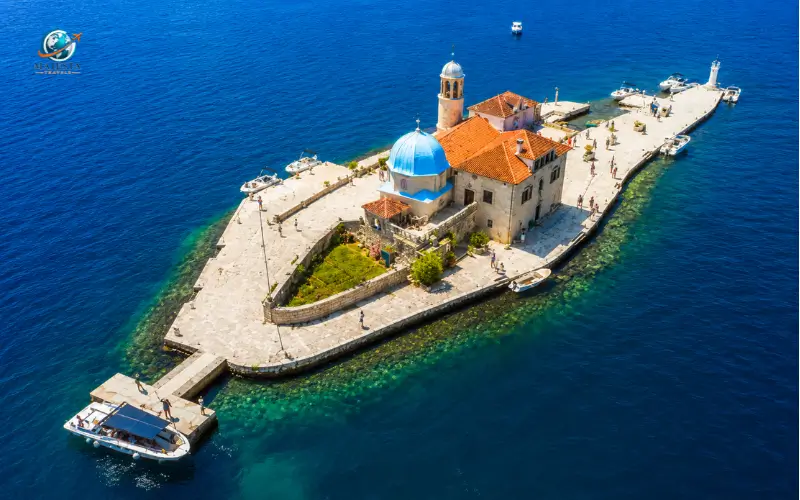
A short boat trip from Perast is the only way to reach the man-made island of Our Lady of the Rocks, one of the most prominent cultural sites in Montenegro.
Lovćen National Park
Lovćen National Park is famous for its panoramic mountain views, hiking trails and mausoleum of Petar II Petrović-Njegoš, which contrasts sharply with the coast.
Budva
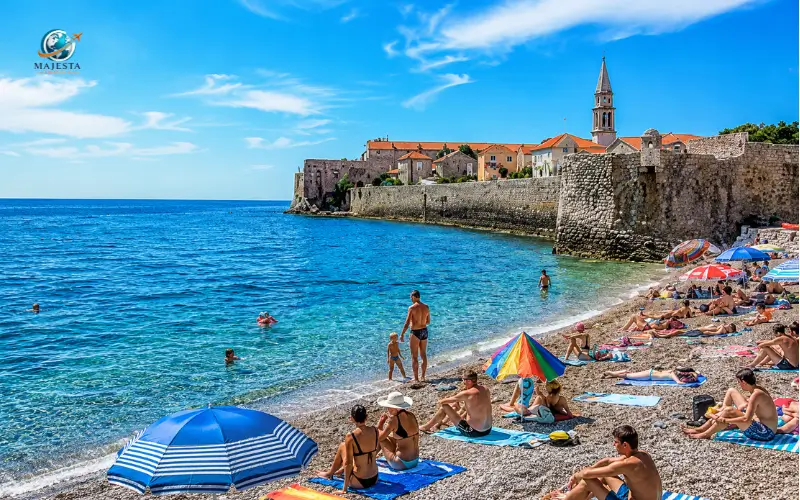
Other than the Old Town, which is also very well preserved, Budva offers beaches, nightlife, shopping and other convenient day-trip destinations.
Tivat
The atmosphere of modern marinas, luxury shopping and Porto Montenegro is quite distinct from that of Kotor.
Cruise Guide for First-Time Visitors
Kotor is one of the most visited ports in the Adriatic Sea, and ships land right next to the Old Town. It takes only minutes to walk from the port area to the gates of the city, making it convenient to see the city. Old Town is a busy place during the cruise days, particularly during the busy period from late morning until early afternoon.
For an optimum visit:
- Begin sightseeing early!
- Come before midday to San Giovanni Fortress.
- Try the back streets (off the main squares).
- Schedule boat tours in advance, in the summer.
- Arrive in the port with ample time to spare before arrival.
Where to Stay
The right neighborhood can make the difference on your journey.
Stay in Old Town
Old Town is best suited for those who wish to be near the historic sites, restaurants, and nightlife. It is the most atmospheric, but is busier during the day.
Best for:
- First-time visitors
- Couples
- History enthusiasts
Stay in Dobrota
Dobrota is a more peaceful marina, located north of Kotor. It offers great bay views and is within walking distance of Old Town.
Best for:
- Families
- Longer stays
- Travelers seeking relaxation
Stay in Muo
Muo is located on the opposite side of the bay and has a quiet ambiance and stunning accommodations along with its waterfront.
Best for:
- Honeymooners
- Photographers
- Those wishing to unwind on their holiday
The competitor analysis indicates that many guides suggest Old Town, but offer very little guidance on pairing neighborhoods with travel preferences. It is wise to have this comparison included so that travelers can make an informed choice.
What to Eat

Traveling in Kotor is incomplete without food. Restaurants all over town serve Mediterranean dishes combined with Montenegrin cuisine.
Popular dishes include:
- Fresh Adriatic seafood
- Black risotto
- Grilled octopus
- Seafood pasta
- Njeguški pršut (smoked ham)
- Local cheeses
- Burek
- Homemade desserts
Try to eat in authentic restaurants which are owned by a family outside the most visited tourist zones.
Average Travel Costs
The price of a trip to Kotor varies according to the season; the summer season is the most expensive.
| Expense | Budget | Mid-Range | Luxury |
| Hotel (per night) | €40–70 | €100–180 | €250+ |
| Meals | €20–35 | €40–70 | €100+ |
| Transportation | €5–15 | €15–30 | €40+ |
| Attractions | €15–40 | €30–60 | €70+ |
It may help to book a flight and hotel a few months in advance to save on the cost of travel.
Safety Tips
Overall, Kotor is known to be a safe place for foreign tourists. The same basic precautions are suggested as are recommended for any tourist site.
- Store valuables outside the reach of others in a busy setting.
- Use shoes that have good traction on a polished stone road.
- Take water with you on summer walks.
- Use licensed taxis.
- Follow marked hiking trails.
- Have copies of vital travel documents in digital and hard copy.
Money-Saving Tips
Smart Traveling can save a lot of money.
- See in May, June, or September when prices are not as steep, and there are fewer crowds.
- Make sure that you book your meals and places of lodging in advance.
- Walk whenever possible.
- Try to find restaurants that are at least outside the busiest squares.
- Before booking a boat tour, check the costs of various providers.
- Avoid the Old Town; it’s more expensive to stay there than in Dobrota.
Packing Checklist
Before taking off for Kotor, be sure to bring:
- Passport
- Travel insurance documents
- Comfortable walking shoes
- Sunscreen
- Sunglasses
- Reusable water bottle
- Swimwear
- Camera
- Power bank
- For cooler evenings, bring a light jacket or an extra sweater.
Final Thoughts
Kotor Montenegro is a place to visit, whether you’re traveling for a few days or a longer period. It is an ideal combination of history, culture, and nature. Visitors can enjoy the UNESCO-listed Old Town, go for a hike to San Giovanni Fortress, a boat ride across the Bay of Kotor, and visit a few other locations such as Perast and Our Lady of the Rocks. Booking your holiday ahead of time and travelling in spring or autumn will help you avoid the crowds and travel more comfortably.
Must Read: Best Places to Visit in Croatia
Colosseum Visitor Guide
Things to Do in Edinburgh Scotland
Frequently Asked Questions
Is Kotor worth visiting?
Yes. The Old Town of Kotor, Bay of Kotor, medieval architecture, and close proximity to other attractions are among the notable things that make Kotor famous.
How many days should I spend in Kotor?
It is best to spend two or three days in the Old Town, hiking to San Giovanni Fortress, taking a boat trip, and visiting Perast.
What is the best month to visit Kotor?
Late May, June, and September are said to be good months, as it is less crowded with pleasant weather conditions.
Is Kotor expensive for tourists?
There are different budgets for people visiting Kotor. Prices are higher in the summer months, although it may be better to visit in the spring or autumn.
Can I explore Kotor without a car?
Yes. The Old Town is pedestrian-friendly, and there are buses, taxis and organised tours to local sites.
Is Kotor family-friendly?
Yes. The Old Town, the waterfront promenade, boat trips and the nearby beaches are all available for families, and many of the places to stay allow kids.
What are the top attractions I shouldn’t miss?
Be sure to visit Kotor Old Town, San Giovanni Fortress, the Bay of Kotor, Perast, Our Lady of the Rocks, and take a boat trip across the bay.