El Salvador is a place renowned for its gorgeous beaches, volcanoes, and vibrant towns. But local beers are equally an integral part of the journey. Fruit drinks, traditional corn drinks, local coffee, and popular soft drinks are enjoyed by visitors. These beverages are some of the oldest that have been consumed for centuries. Some are made from ancient methods, and others are popular now. El Salvador drinks are an excellent way of experiencing local culture. The distinctive taste adds to an enjoyable and memorable trip.
Location of El Salvador
It is found in Central America off the Pacific coast. It borders Guatemala to the West, and Honduras to the North and East. It is the smallest Central American country, but it is famous for its stunning beaches, volcanoes, colonial towns, coffee plantations, and cultural heritage. San Salvador is the capital and is the primary economic, cultural, and transportation centre of the country. Being centrally located makes it an easy place to add to a Central American traveling route.
How to Reach
El Salvador is easily accessible from many countries. The country is well connected via air and road to neighbouring countries. Depending on your travel needs and where you are, you can select the one that would be best.
By Air
The main airport is El Salvador International Airport (SAL). Frequent flights from the USA, Canada, Mexico, and other Central American countries arrive at the airport. It is the quickest and easiest means of getting to El Salvador.
By Road
Guatemala and Honduras citizens may enter El Salvador by road. Crossing the borders with international bus services and private vehicles is common. This is one of the favored choices of travellers who visit several countries in Central America.
Getting Around the Country
Once at the destination, rentals, taxis, tourist shuttles, and public buses are available. The nation is small, making travel easy, and some of the attractions within it can be reached in a few hours.
Why Drinks Are Important in Salvadoran Culture
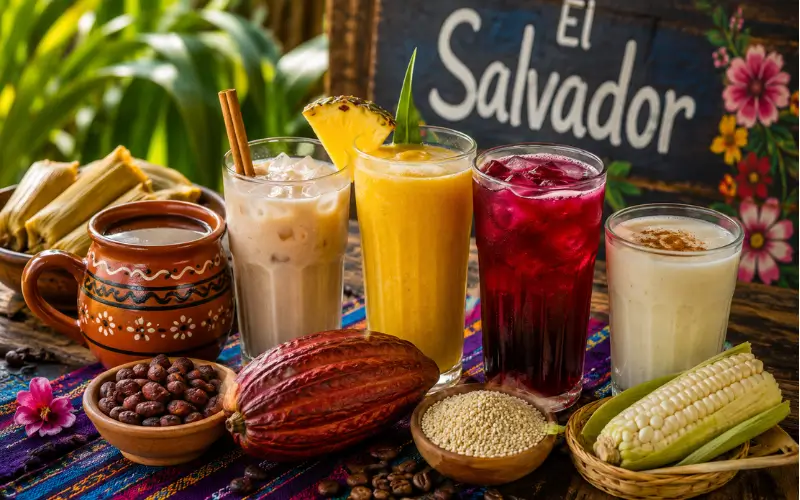
Food and drinks are part and parcel of Salvadoran life. Traditional beverages are often made at home and served by restaurants, street vendors, and markets all day long.
Cold fruit drinks are particularly popular in the country due to its tropical weather. Meanwhile, numerous traditional hot drinks are still consumed at breakfast times, on holidays, and at family events.
It doesn’t take long for visitors to realize that the Salvadorans are proud to serve their visitors cool local beverages. They sometimes feature locally grown ingredients, such as tropical fruits, corn, cacao, coffee, sesame seeds, and spices.
The visitors can taste the real Salvador drinks and will have a chance to enjoy flavors that they cannot find in other places.
Most Popular Traditional Drinks in El Salvador
The next drinks are among the most popular ones to try while on a trip.
| Drink | Type | Main Ingredients |
| Horchata | Non-Alcoholic | Rice, morro seeds, sesame, cocoa |
| Ensalada | Fruit Drink | Passion fruit, pineapple, mango, apple |
| Fresco de Chan | Refreshment | Chia seeds, water, sugar |
| Rosa de Jamaica | Herbal Drink | Hibiscus flowers |
| Atol de Elote | Hot Drink | Sweet corn, cinnamon, sugar |
| Coffee | Hot Beverage | Locally grown coffee beans |
| Pilsener | Beer | Lager-style beer |
Salvadoran Horchata
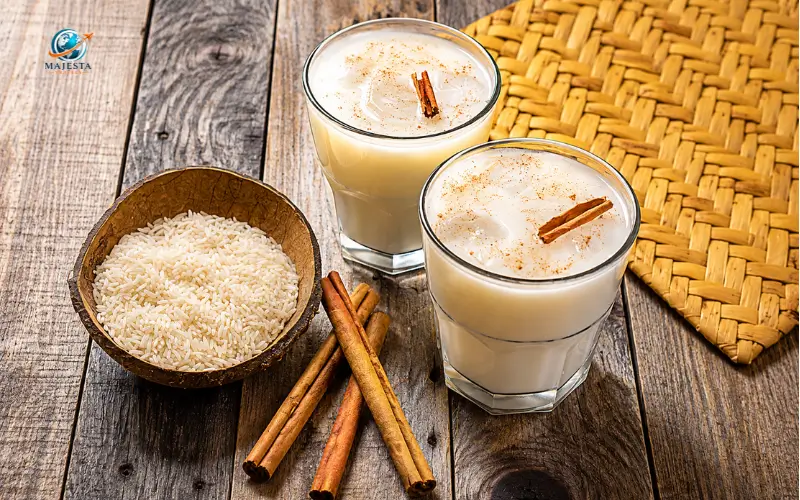
Horchata is one of the most popular El Salvador drinks. In contrast to Mexican horchata, Salvadoran horchata is a mix of several ingredients.
Typically includes:
- Rice
- Morro seeds
- Sesame seeds
- Cocoa
- Cinnamon
- Vanilla
They are all ground together to form a rich mixture, which is then mixed with water and sweetened. This yields a creamy with nutty and aromatic spices.
Horchata can be found all over the country and is served as a side dish with traditional meals. It’s one of the most stereotypical beverages to sample during their stay.
Ensalada: A Drink You Can Eat
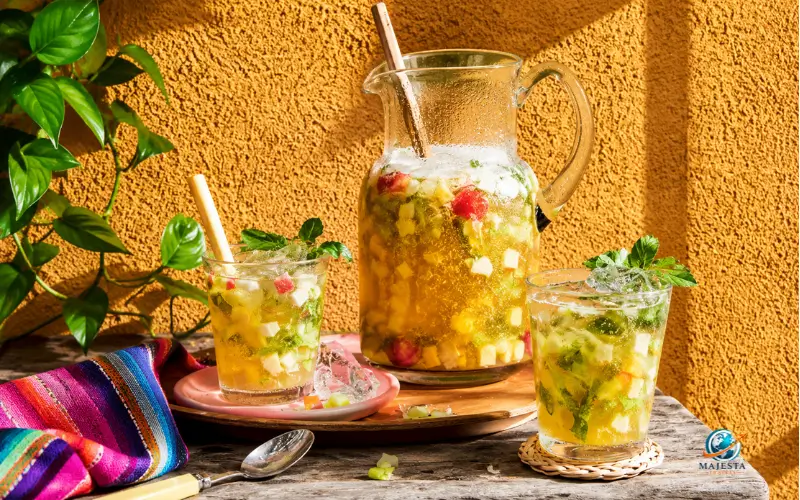
Although ensalada means ‘salad’ in Spanish, it is actually a delicious fruity drink.
It is an interesting concoction of finely chopped fresh fruit pieces in passion fruit juice. Some common fruits are pineapple, mango, apple, and sometimes other seasonal fruits.
The experience is not like normal juice since the person taking part in the experience drinks the liquid, as well as eats the pieces of fruit with a spoon.
Ensalada is especially popular in hot weather months and is sold by street vendors, local markets, and family restaurants.
Travelers looking for refreshing El Salvador drinks should not miss this colorful specialty.
Fresco de Chan
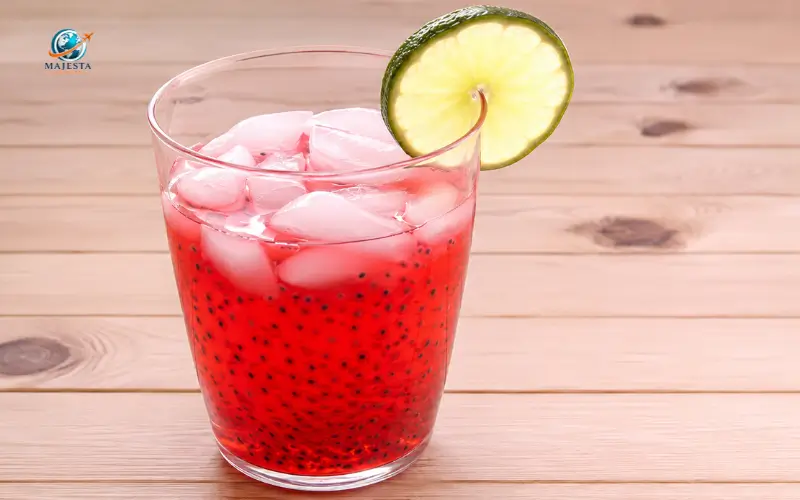
Another local drink, which is popular throughout El Salvador, is Fresco de Chan.
The main component is chan seeds, which are very similar to chia seeds. The seeds have a gel-like coating over them, which forms when they are soaked in water and creates the texture of the drink.
Lightly sweetened and chilled, which makes the drink particularly refreshing during hot afternoons.
The advantages of Fresco de Chan are:
- Cooling and refreshing
- Rich in fiber
- Popular among locals
- Widely available
- Affordable for travelers
The texture is quite strange at first, but it eventually becomes a favorite due to its flavor.
Rosa de Jamaica
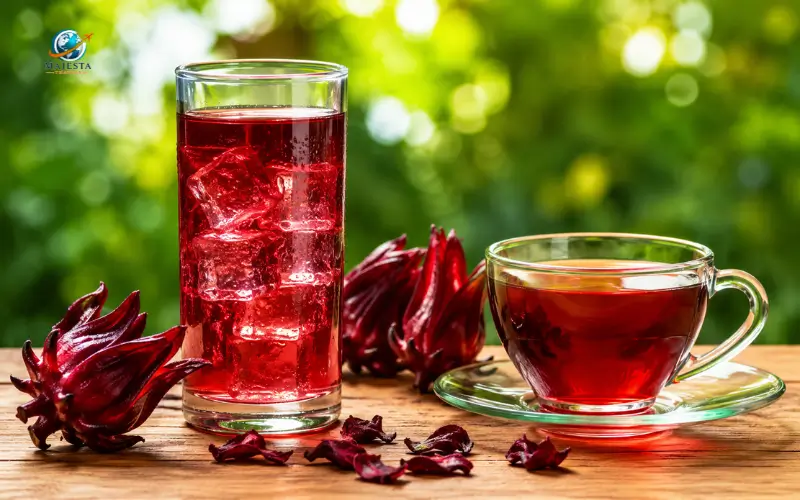
Hibiscus flowers are used to make rose of Jamaica, a popular beverage. It is renowned for its refreshing flavor and deep red hue.
It has a rather tart taste and is typically sweetened with sugar. It’s usually consumed cold with ice, which makes it quite popular on hot days.
Rosa de Jamaica is also served in many restaurants in conjunction with local cuisine. It’s liked by locals and tourists alike due to its delicious flavor and its natural ingredients.
Atol de Elote
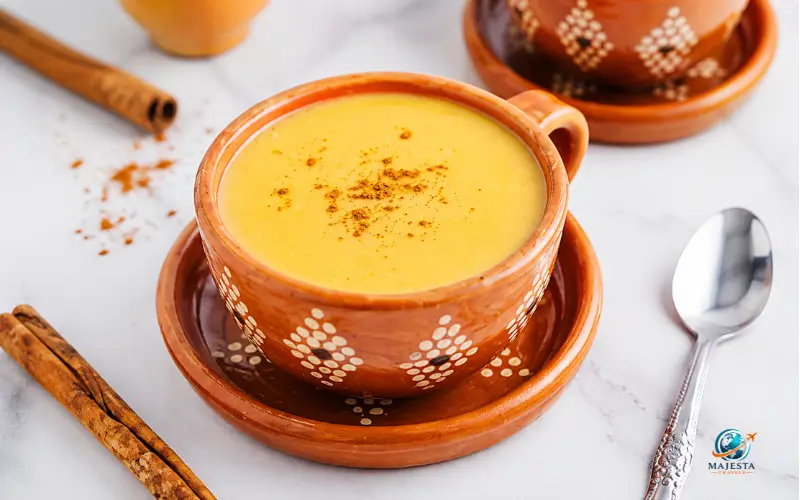
El Salvador’s Atol de Elote is one of the more traditional hot drinks in El Salvador.
This is a thick drink that is composed of:
- Fresh sweet corn
- Sugar
- Cinnamon
- Milk or water
The ingredients are mixed and cooked slowly until a creamy texture is achieved.
The beverage has been around since Native American cultures heavily depended on corn as their staple food. Nowadays, it’s still a cozy drink for special occasions and during cold weather.
People who want to learn about traditional El Salvador drinks will enjoy discovering the significance of Atol de Elote in the cultural aspect.
El Salvador’s Famous Coffee Culture
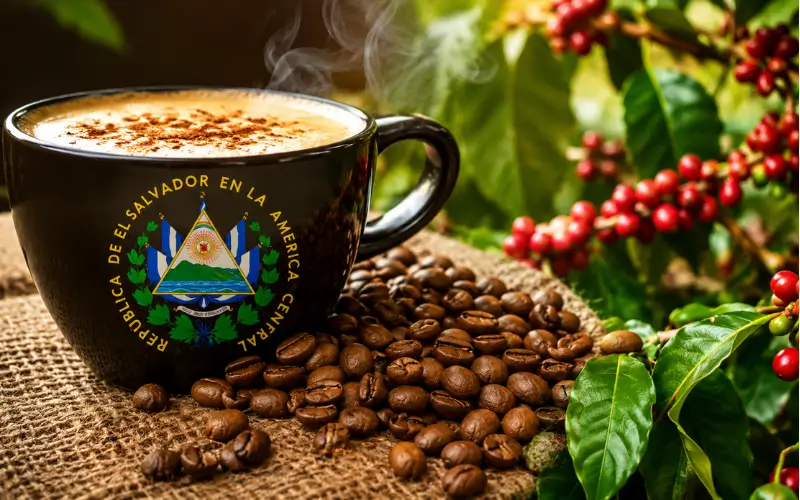
Coffee has been a part of the country’s history and its economy for many years now. The fertile volcanic soil, high mountains, and favourable climate conditions provide ideal conditions to produce coffee beans of high quality.
In the present day, one can taste fresh coffee in municipalities, mountain villages, and specialty cafés throughout the country. Whether it’s a classic cup of coffee or a high-quality specialty, there’s something for every coffee enthusiast to enjoy during the journey.
Top Coffee Regions
| Region | Known For |
| Apaneca-Ilamatepec | Premium specialty coffee |
| Alotepec-Metapán | Balanced flavor profiles |
| Tecapa-Chinameca | Rich aroma and acidity |
| Cacahuatique | High-elevation production |
Coffee tourism has gained momentum, offering visitors a chance to visit and explore the coffee growing process as well as taste freshly roasted coffee.
Kolashanpan: The National Soft Drink
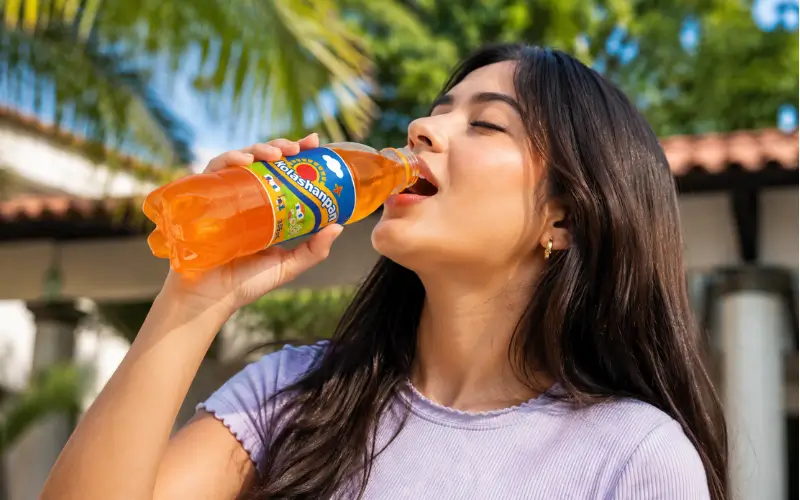
One of the most popular soft drinks in the country is Kolashanpan. This soda is a bright orange colour that has been long enjoyed by the locals and is still a favorite today.
It tastes different than most sodas, similar to a combination of cream soda and bubblegum. Many visitors try it for the first time as a part of their local food culture, but the taste may vary from person to person.
Kolashanpan can be found in restaurants, supermarkets, and street food stalls around the world. It’s more than just a beverage, and for many, it is tied to childhood memories and traditions.
Tropical Fruit Drinks Found Across El Salvador
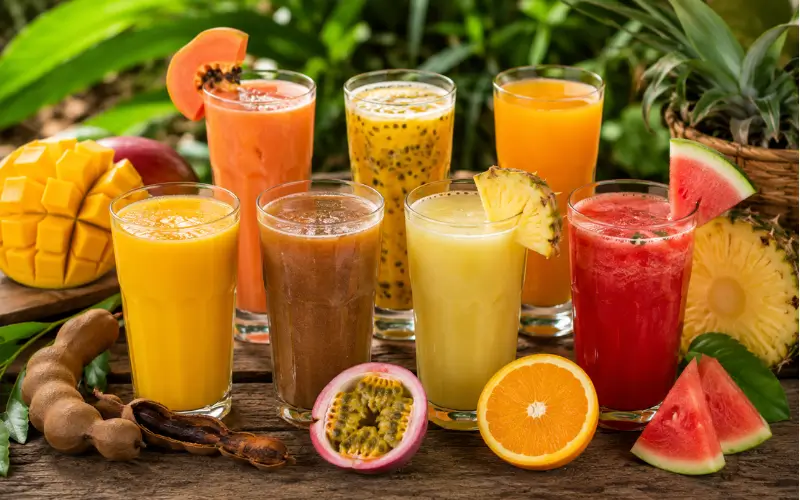
Many of the fruits of the tropics are suited to make fresh drinks in the country.
Common fruit drinks are:
- Mango juice
- Tamarind juice
- Pineapple juice
- Watermelon juice
- Papaya juice
- Passion fruit juice
- Orange juice
Most restaurants make these drinks fresh from the fruit they buy in season from the local market.
Enjoy the freshness and natural taste over processed drinks; many travelers prefer them.
Local Beers Travelers Should Try
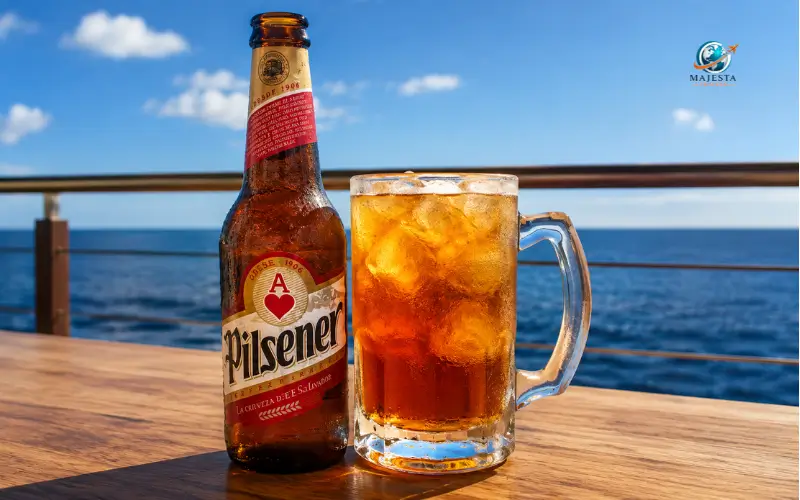
Beer is still the nation’s top drink. Various local brands are available in bars, restaurants, hotels, and beach resorts.
Popular options include:
- Pilsener
- Suprema
- Golden Light
- Regia
Pilsener is generally considered the national beer and is often recommended for first-time visitors.
The beer culture has also grown significantly in recent years, with local breweries creating new styles and flavors for locals and tourists alike.
Craft Beer and Modern Brewing in El Salvador
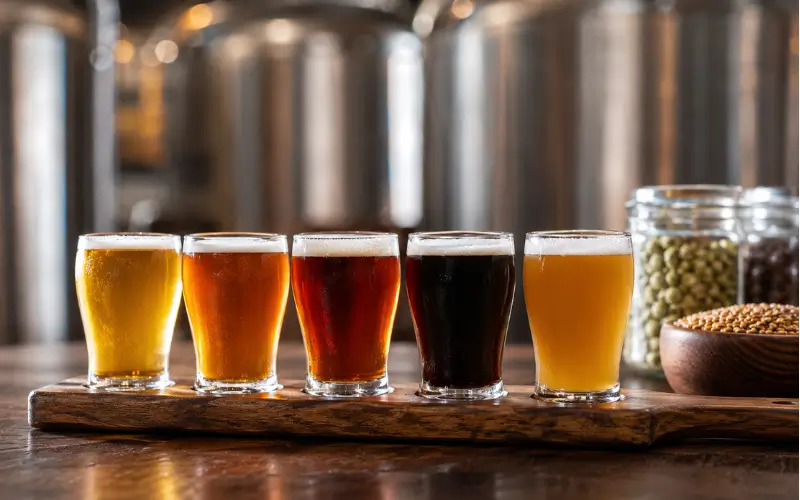
While the traditional lagers are still popular, there has been a rapid growth in the craft beer industry over the last several years. There’s now a fairly extensive selection of handcrafted beers available in big urban and popular tourist spots.
Cadejo Brewing Company is one of the most popular craft brewers. It brews pale ales, stouts, wheat beers, and IPAs, giving visitors a chance to explore modern brewing styles alongside traditional El Salvador drinks.
Other craft breweries incorporate local ingredients and specialize in recipes that have regional influences. They are also welcoming spots, and frequently provide food too, so they are perfect spots to unwind and experience local culture.
Traditional Alcoholic Beverages and Local Cocktails
While beer is the most common alcoholic beverage consumed in the country, there are still various traditional cocktails that are consumed by locals and visitors. The drinks are typically made with fresh ingredients and tropical flavors.
Horchata con Ron is one of the local favorites, which is a traditional horchata with rum added. The outcome is a smooth and sweet beverage, which mirrors the nation’s beverage culture.
There are also many bars and beach resorts that offer mangoes, pineapples, coconut, and passion fruit cocktails. They’re a very refreshing beverage that is particularly popular in tourist hot spots and coastal destinations.
Best Places to Try Authentic Drinks in El Salvador
Authentic beverages are everywhere in El Salvador, which is one of its benefits when travelling. People needn’t go out to fancy restaurants to enjoy traditional beverages.
These are some of the best places to visit:
- Local markets
- Family-owned restaurants
- Street food stalls
- Traditional cafés
- Beachside restaurants
- Coffee farms
- Cultural festivals
Local markets are especially useful because they provide freshly made drinks at a more reasonable price. Drinks are typically prepared by vendors according to family recipes.
When travelling for cultural experiences, it’s best to seek out local, over international, businesses where possible.
Popular Destinations for Beverage Tourism
Some parts of El Salvador are particularly renowned for their drink scene and local specialties.
San Salvador
The capital city has the most diverse selection of drinks. There are modern cocktail bars and traditional drinks, specialty coffee, and craft beer, all in the same city.
Ruta de Las Flores
A picturesque tourist trail renowned for coffee cultivation and inviting mountain villages. Travellers can visit the coffee farms to enjoy fresh coffee and learn about coffee cultivation.
El Tunco
El Tunco offers opportunities to enjoy local beers, tropical cocktails, and refreshing fruit drinks near the ocean and is known for its surfing and nightlife activities.
Santa Ana
Historical sites, great cafes and restaurants – offering Salvadoran cuisine – combine in Santa Ana.
These are places where one can taste in various ways the country’s drink culture.
Drinks That Pair Well with Salvadoran Food
One of the best ways to enjoy Salvadoran cuisine is by matching beverages with traditional dishes.
| Traditional Food | Recommended Drink |
| Pupusas | Horchata |
| Yuca Frita | Fresco de Chan |
| Tamales | Rosa de Jamaica |
| Empanadas | Coffee |
| Seafood Dishes | Local Beer |
| Fried Fish | Tropical Fruit Juice |
| Sweet Desserts | Atol de Elote |
These pairings allow visitors to taste the authentic flavors and immerse themselves in local cuisine.
Seasonal Drinks and Festival Beverages
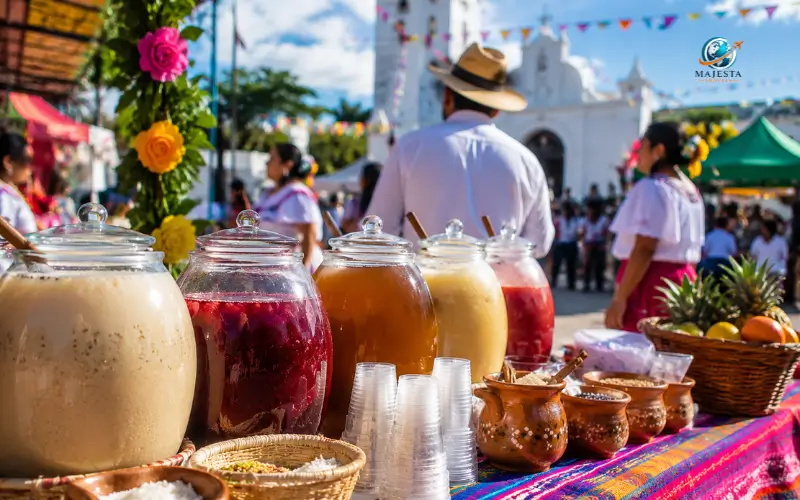
Festivals, holidays, and community events are times when many drinks are particularly popular, especially those of old.
Frequently, at religious celebrations and during national holidays, families cook up large quantities of horchata, ensalada, and atol to serve. Street vendors can also peddle seasonal items, such as fruits that are in season during certain times of the year.
Hot drinks and traditional dishes that have been passed down for generations are often a part of Salvadoran Christmas festivities.
During local festivals, guests may be able to try other beverages that are not available year-round.
Health Benefits of Traditional Salvadoran Drinks
Numerous beverages that are prepared traditionally have nutritional value due to their natural ingredients.
Some examples include:
- Fiber is the source of Chia seeds in Fresco de Chan.
- Hibiscus in Rosa de Jamaica is rich in antioxidants.
- Fresh fruit drinks are a source of vitamins and minerals.
- Natural antioxidants are found in coffee.
- Beers made with corn provide energy and carbohydrates.
Several traditional drinks have sugar added, but many have healthy components that have been eaten for thousands of years.
Many travelers who are looking for alternatives to processed soft drinks enjoy many Salvadoran beverages for their naturalness.
Travel Tips for Trying Local Drinks Safely
Most drinks dispensed in known hotels, cafes, and restaurants are OK for foreign tourists. But travelers are always advised to use their common sense in buying food and beverages.
Helpful recommendations include:
- Select vendors with a lot of action and lots of customers passing through.
- Drink bottled water when necessary.
- Check cleanliness standards.
- Do not use ice when there is a question about the quality of the water.
- Choose drinks that are freshly made.
- Keep bottles of fluids in a cool place during warm weather.
These are some easy measures to ensure visitors can dive into local specialties without fear.
How Beverage Culture Reflects Salvadoran History
There have been numerous influences on the nation’s beverage culture over the years. Cooking is a blend of history, agriculture, and tradition in traditional recipes.
Native Americans introduced corn-based and cacao drinks, and later influences added new ingredients and methods of preparation. As the years went on, these traditions merged to develop distinctive regional cuisines.
Many of these old recipes are still used today in family recipes. To visitors, it is just a way of getting to know more about the country’s culture and heritage.
Budget Guide for Travelers
Visitors love to go through El Salvador drinks due to one reason: cost-effectiveness. Beverages in El Salvador are usually reasonably priced when compared to many tourist destinations.
Average prices may contain:
- Fresh fruit drinks: $1–$3
- Horchata: $1–$2
- Coffee: $1–$4
- Local beer: $1.50–$4
- Craft beer: $3–$6
- Specialty cocktails: $4–$10
The prices differ depending on the tourist demand, type of establishment, and location. Generally, coastal resorts and upscale restaurants will cost more than local markets and neighborhood cafés.
Budget-conscious travellers need not pay a lot of money to try out a wide variety of beverages.
Why Every Visitor Should Explore El Salvador’s Beverage Culture
Tourists go only for the big things like volcanoes, beaches, and archaeological sites. Local beverages offer another valuable means of touching the nation, however, nonetheless.
Drinking authentic El Salvador dishes provides an opportunity to savor the local ingredients, family recipes, regional flavors, and cultural history. Every drink carries a message of the people who made it and the place where it was made.
From the coldened-down horchata served on a hot afternoon to the freshly brewed mountain coffee to the local beer with friends, visitors learn more about Salvadoran culture through their beverages.
Final Thoughts
There are different kinds of traditional and contemporary drinks available, which are different in taste. There’s a drink for everyone to enjoy, whether it’s a colorful drink of coffee or locally brewed beans, popular sodas, coffee-flavored drinks, or regional beer. Many of these drinks and beverages have been a part of local culture for generations and serve an important function in the daily lives of the people. Exploring El Salvador drinks is a great way to discover authentic flavors, learn about local traditions, and make your travel experience more memorable.
Must Read: Dominican Republic Landmarks: Complete Travel Guide for Visitors
Equatorial Guinea Food Guide: Traditional Dishes, Cuisine & Travel Tips
Al Mamzar Beach Dubai | Travel Tips, Location, Things to Do
Frequently Asked Questions
What is the most popular drink in El Salvador?
Horchata is one of the most popular traditional drinks, and Kolashanpan is the most renowned soft drink of the country.
What makes Salvadoran horchata different from Mexican horchata?
Salvadoran horchata is flavored with morro seeds, sesame seeds, cocoa, and spices, as well as rice, and thus has a deeper and more nuanced taste.
Is coffee important in El Salvador?
Yes. Coffee has been important to the country’s economy, and is one of its most familiar crops.
What alcoholic drinks are popular in El Salvador?
Pilsener and Suprema are some of the most popular beers. In-house cocktails and craft beers are also becoming more popular.
What is Ensalada in El Salvador?
Ensalada is a sweet fruit drink that is blended with passion fruit juice and finely chopped fruits like pineapple, mango, and apple.
Are traditional Salvadoran drinks expensive?
No. Generally, the traditional drinks are inexpensive and are readily available at street stalls, restaurants, cafés, and local markets.
Where can tourists find authentic Salvadoran drinks?
There are many opportunities to enjoy local, authentic drinks in the local markets, traditional restaurants, coffee farms, beach towns, and cultural festivals throughout the country.