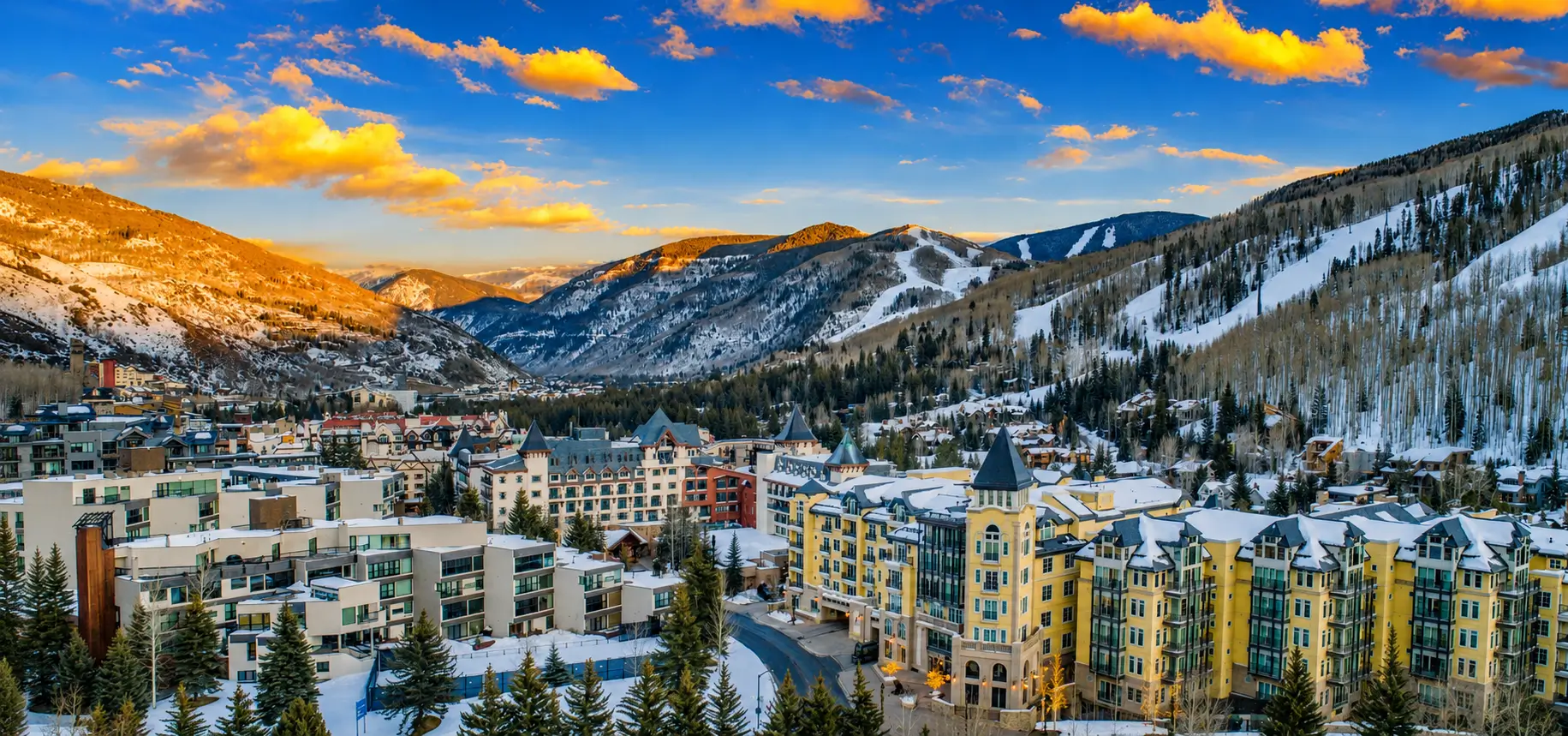
Colorado’s Steamboat Springs Altitude is one of the most popular mountain destinations in Colorado for all sorts of outdoor activities and beautiful natural scenery year-round. The town is famous for its ski slopes, hot springs, hiking trails, and all-year-round recreational activities. Knowing the altitude of Steamboat Springs is important before you visit, as it could impact your trip. A higher elevation may affect your experience in terms of weather, physical exertion, hydration, and comfort. Anyone who has come down from lower altitudes will need to acclimatize to the thin air of the mountains. This knowledge will allow you to make the right preparations and enjoy the trip without the need for more difficulties.
Quick Facts for Visitors
| Category | Details |
| Town Elevation | 6,732 ft (2,052 m) |
| Resort Base Elevation | 6,900 ft (2,103 m) |
| Highest Elevation | 10,568 ft (3,221 m) |
| Vertical Rise | 3,668 ft (1,118 m) |
| Distance from Denver | 157 miles (253 km) |
| Drive Time from Denver | 3.5–4 hours |
| Distance from HDN Airport | 25 miles (40 km) |
| Average Annual Snowfall | 314 inches (798 cm) |
| Ski Season | December–March |
| Summer Season | June–August |
| Average Acclimatization Time | 1–3 days |
| Time Zone | Mountain Time (MT) |
Note: These figures provide a quick overview for travelers planning a visit to Steamboat Springs and can help with trip preparation, transportation planning, and altitude adjustment.
Steamboat Springs Location
Steamboat Springs is a town in the northwestern part of Colorado in the Yampa Valley, 150 miles (241 km) northwest of Denver and 45 miles (72 km) south of the Wyoming border. It is located on U.S. Highway 40 and is about 6,700-6,900 feet high.
How to Reach Steamboat Springs
By Air (Fastest Option)
The closest commercial airport is Yampa Valley Regional Airport (HDN), which is approximately 25 miles (40 km) west of Steamboat Springs near Hayden. The airport is served by flights from Denver as well as some major cities in the United States, particularly during the ski season. Steamboat Springs is easily reached from the airport by shuttle, rental car, taxi, or rideshare in about 30 – 40 minutes.
By Car from Denver
The majority of visitors make the trip from Denver through:
- Take I-70 West
- Turn off CO-9 North to Kremmling.
- Join U.S. Highway 40 West
- Go through Rabbit Ears Pass to Steamboat Springs
The trip will take about 3.5 to 4 hours with traffic and weather.
By Car from Salt Lake City
From Salt Lake City:
- Take I-80 East
- Turn off the highway at Exit 187, head west into Baggs, Wyoming.
- Follow Wyoming Highway 789 to Colorado Highway 13
- Join U.S. Highway 40 East
- Come to Steamboat Springs
It will take about 6 hours.
Google Maps Coordinates
- Latitude: 40.4849° N
- Longitude: 106.8317° W
Nearby Major Airports
| Airport | Distance to Steamboat Springs | Drive Time |
| Yampa Valley Regional Airport (HDN) | 25 miles | 30–40 min |
| Denver International Airport (DEN) | 180 miles | 3.5–4 hrs |
| Eagle County Regional Airport (EGE) | 95 miles | 2–2.5 hrs |
What Is Steamboat Springs Altitude?
The average elevation of the steamboat is around 6,700 to 6,900 feet (2,042-2,103 meters) above sea level, depending on the specific location in the city. The ski resort base is approximately 6,900 ft, and areas of higher mountains are above 10,500 ft.
This altitude could be much higher than that of most people’s hometowns for people from other countries. Due to the drop in levels of oxygen at high altitudes, a visitor may need to adapt to the surroundings.
Why Steamboat Springs Altitude Matters for Travelers
But many travellers tend to think about the place where they’re going to stay, what they are going to see,e and how they are going to get around, and do not think about elevation. How your body reacts to the Steamboat Springs altitude during the first days of your visit can be affected by this.
At higher elevations:
- The concentration of oxygen is less.
- It is slightly more difficult to breathe while exercising.
- Water loss is accelerated.
- The sun’s rays are more intense.
- May experience a reduction in physical endurance for a short period.
The majority of visitors get acclimatized within one to three days, but knowing what to anticipate beforehand ensures a more seamless acclimatization process.
How Steamboat Springs Compares to Other Colorado Mountain Towns
Steamboat Springs is a little bit above sea level, but typically a bit lower than a few Colorado mountain towns.
| Destination | Approximate Elevation |
| Steamboat Springs | 6,700–6,900 ft |
| Vail | 8,150 ft |
| Breckenridge | 9,600 ft |
| Aspen | 7,900 ft |
| Telluride | 8,750 ft |
Steamboat Springs is also relatively low lying, making it more comfortable for many to acclimate to than other ski towns.
Can You Get Altitude Sickness in Steamboat Springs?
Yes. While not everyone will have symptoms, altitude sickness may arise, especially for people coming from sea level.
The risk is higher if travelers:
- Fly straight from low altitudes.
- Participate in strenuous activities immediately.
- Consume excessive alcohol.
- Not consuming adequate water.
- Have a past sensitivity to altitude.
According to the public health authorities, the symptoms of altitude are frequent in the first 24 to 48 hours after landing.
Common Symptoms
- Headache
- Dizziness
- Fatigue
- Nausea
- Difficulty sleeping
- Shortness of breath
- Reduced appetite
The majority of cases are mild and will resolve on their own without intervention if rest and hydration are provided.
Altitude Acclimatization Tips for Visitors
One of the most important things to do when visiting Steamboat Springs is to acclimate well. With a few precautions, most travelers can adapt easily to higher elevations.
Stay Hydrated
Mountain air tends to be very dry and can lead to greater loss of fluids from your body. Staying well-hydrated during the day can alleviate some of the most frequent problems of altitude, including headaches and fatigue.
Avoid Heavy Exercise Initially
Allow the body to acclimate itself before strenuous activities. Try to avoid strenuous activities such as heavy skiing, hiking, mountain biking, etc., on the first day of exposure to high elevation if at all possible.
Limit Alcohol Consumption
Alcohol can lead to dehydration and can exacerbate the effects of high altitudes. By reducing alcohol consumption for the first few days, your body can get used to it better.
Eat Regular Meal
A balanced diet will give the body energy to adapt to the reduced oxygen levels of the mountain. Healthy food can improve fatigue and boost your overall health.
Get Plenty of Rest
Good sleep is a key contribution to acclimatisation. Rest provides your body time to adjust and adapt to the higher elevation better.
Most visitors will minimize discomfort and have a better experience during the first several days in Steamboat Springs by following these simple tips.
Weather and Altitude Relationship
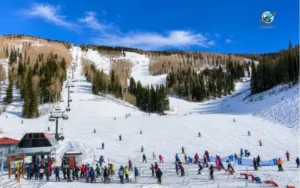
Local weather patterns are closely associated with the altitude of the Steamboat.
Generally, the higher the elevation, the more:
- Cooler temperatures
- Lower humidity
- Increased snowfall
- Stronger UV exposure
- Increased differences in temperature between day and night
The warm afternoons and cool evenings are enjoyed by summer visitors. In the wintertime, there is plenty of snow for skiing and snowboarding.
Winter Travel at High Elevation
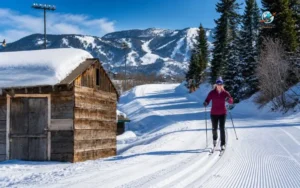
Steamboat Springs is one of the busiest places to visit during the winter.
The elevation provides a wonderful snow quality referred to as “Champagne Powder”, which is light and dry, and draws skiers from all over the world. The resort is situated in a mountainous area, which brings a significant amount of snow to the region each year.
Some popular winter activities are:
- Alpine skiing
- Snowboarding
- Snowshoeing
- Snowmobiling
- Cross-country skiing
- Ice skating
- Sleigh rides
It is important to keep in mind that physical activity at altitude can be more challenging than the initial few days indicate.
Summer Travel and Elevation Benefits
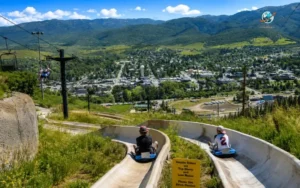
Another great time to enjoy the altitude of Steamboat Springs is during the summer.
Steamboat Springs has mild summer weather with little humidity, unlike many other places at lower elevations that get very hot. This provides the best conditions for outdoor recreation.
There are some popular activities in the summer, such as:
- Hiking
- Mountain biking
- Fishing
- River rafting
- Horseback riding
- Scenic gondola rides
- Wildlife viewing
The height helps to make the day comfortable even in the hottest part of the day.
Read Also: Al Sufouh Beach Dubai
Hiking at Higher Elevations
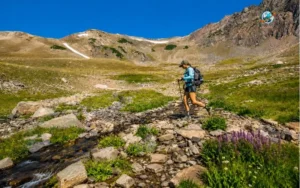
Numerous hiking trails in the Steamboat Springs area rise to more than 8,000 ft and some over 10,000 ft.
One of the most common misconceptions people have is how much harder hiking will be at higher elevations. Even seasoned hikers will notice:
- Increased breathing rate
- Faster fatigue
- Higher water requirements
- Slower hiking pace
Hiking on a regular basis and staying well hydrated will make the hiking experience much better.
Ski Resort Elevation Details
One of the primary reasons why many people make their trip to Steamboat is to go skiing and snowboarding.
The resort is located over a large vertical height range, which has implications for snow cover and the variety of terrain.
Resort Elevation Highlights
- The elevation of the base is about 6,900 ft.
- The elevation of mid-mountain is about 9,080 feet.
- The area’s high point is at an elevation of about 10,568 feet.
- Vertical rise: 3668 feet.
The terrain and long ski runs are ideal for both novice and expert skiers in this elevation range.
Does Altitude Affect Children and Older Adults?
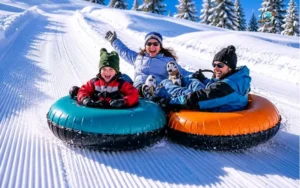
The effect of altitude is different for everyone, regardless of age. Kids can adapt rapidly; however, parents need to pay close attention to their child’s hydration levels and energy levels. This may take longer for elderly people, particularly those with cardiac or respiratory diseases. Anyone wishing to visit high elevations with health conditions should seek medical advice before the trip.
Flying into Steamboat Springs
A lot of visitors come via the nearby airports and then head into town.
As soon as people arrive at the area, the elevation level of the surrounding region starts to have an impact on them.
Typical routes to the site are:
- The Yampa Valley Regional Airport (HDN) is quite close.
- As of late 2011, the airport has become known as Denver International Airport (DEN).
- Regional charter services
People who fly directly from sea level will feel the effects of altitude sooner than those who take a road trip from lower mountainous areas.
Read Also: Best Beaches Near Barcelona
Photography Opportunities at High Elevation
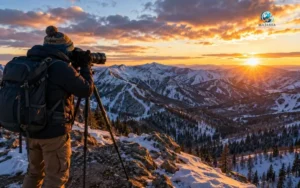
The allure of mountain altitude is its unparalleled sight.
The fresher air quality can result in:
- Sharper landscape views
- More vivid sunsets
- Better stargazing opportunities
- High drama mountain photography circumstances.
That is why Steamboat Springs is a popular travel destination for photographers in all four seasons.
Hot Springs and Recovery
Steamboat Springs is well-known for its natural hot springs.
Numerous tourists like to bathe in the mineral-rich waters after a day of skiing, hiking, or mountain biking to soothe their muscles and replenish their energy levels.
The area has many natural springs and spa centers to complement outdoor fun.
What Should You Pack for High Altitude Travel?
Choosing the right packing can add to your comfort during the journey.
Recommended items include:
- Reusable water bottle
- Sunscreen
- Lip balm
- Sunglasses
- Moisturizer
- Layered clothing
- Comfortable hiking shoes
- Lightweight jacket
The elevation can make it cool in the evening,s even in the summer.
Best Time to Visit
The best time to travel is determined by your tastes.
Winter (December–March)
Perfect for:
- Skiing
- Snowboarding
- Winter festivals
- Snow activities
Spring (April–May)
Ideal for:
- Smaller crowds
- Lower accommodation costs
- Scenic mountain views
Summer (June–August)
Excellent for:
- Hiking
- Mountain biking
- Outdoor festivals
- River recreation
Fall (September–October)
Known for:
- Colorful foliage
- Comfortable temperatures
- Photography opportunities
- Quieter travel experiences
The altitude contributes to enjoyable weather conditions throughout the year.
Is Steamboat Springs Considered High Altitude?
Yes. Elevations over about 5,000 feet are considered high altitude by most medical and travel experts.
Being located at 6,700 – 6,900 feet, Steamboat Springs is definitely in the high elevation category, and the surrounding mountains are over 10,000 feet.
Still, the elevation is moderate compared to some Colorado mountain towns, and makes it more pleasant for many visitors.
Dining Options in Steamboat Springs
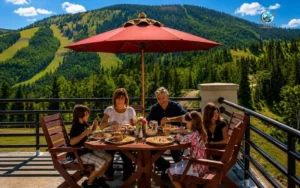
While visiting Steamboat Springs, there are numerous options to enjoy a meal. Whether it’s a quick coffee and pastry shop, a family restaurant, or a fine dining establishment, there’s something to suit everyone and every budget. Most restaurants offer local dishes and international and American dishes. There are many options for breakfast, lunch, or dinner throughout the town and for all tastes and preferences.
Popular dining options include:
- Grilled steaks and other grilled foods.
- Fresh trout and seafood
- Burgers and sandwiches
- Pizzas, Italian cooking.
- Mexican cuisine
- Coffee shops and bakeries
- Family-friendly restaurants
- Fine dining venues
- Local breweries
- Farm-to-table restaurants
Please be aware: Dining times and menus are subject to change throughout the year. During the winter and holiday season, reservations are suggested at popular restaurants.
Travel Planning Tips for First-Time Visitors
For those who are new to mountain vacations, here are some suggestions:
- Be available a day early for big events.
- Use additional water when traveling.
- Use sunscreen daily.
- Rest while getting physically active.
- Get adequate sleep.
- Monitor altitude symptoms.
- Progressively raise activity levels.
These are a few quick tips for a safe and fun experience.
Read Also: Things to Do in North Dakota: Best Places to Visit and Explore
Can Americans Travel to Cuba 2026 Complete Guide
Things to Do in El Salvador: Complete Travel Guide for Visitors
Final Thoughts
The knowledge of the altitude of the springs in Colorado is an essential element in planning a successful vacation in this state. The town is located at an elevation of about 6,700 to 6,900 feet above sea level, and the surrounding mountain peaks are above 10,500 feet. The rise produces breathtaking views, high-quality skiing, pleasant summer weather, and superb outdoor recreation.
Most travellers find the altitude to pose only minor problems, and these can be overcome by adequate hydration, rest, and slow acclimatisation. Knowing the Steamboat Springs elevation can help you plan for a successful stay, whether you are heading there to ski, hike, visit the hot springs, shoot photos, or just soak in the mountain atmosphere.
Frequently Asked Questions
How high is Steamboat Springs, Colorado?
The elevation of Steamboat Springs varies from 6,700 to 6,900 feet above sea level, depending on the point in the city.
Is Steamboat Springs more or less than Vail?
No. Vail is more generally elevated at approximately 8,150 ft above sea level!
Does anyone get altitude sickness at Steamboat Springs?
Yes. Mild altitude sickness symptoms may occur during the initial 24-48 hours after arrival for some travelers.
What’s the maximum elevation at Steamboat Ski Resort?
The peak of Mount Werner is about 10,568 ft above sea level.
How many days to acclimatize to Steamboat Springs elevation?
The majority of visitors get used to the heat in 1-3 days, but this varies from person to person.
Would Steamboat Springs be a good summer getaway?
Yes. This area is ideal for biking, hiking, rafting, fishing, driving scenic routes, and enjoying the summer weather.
If I experience symptoms of altitude sickness, what should I do?
Rest, drink water, do not drink alcohol, limit physical activity, and seek medical help when symptoms get worse or do not go away.