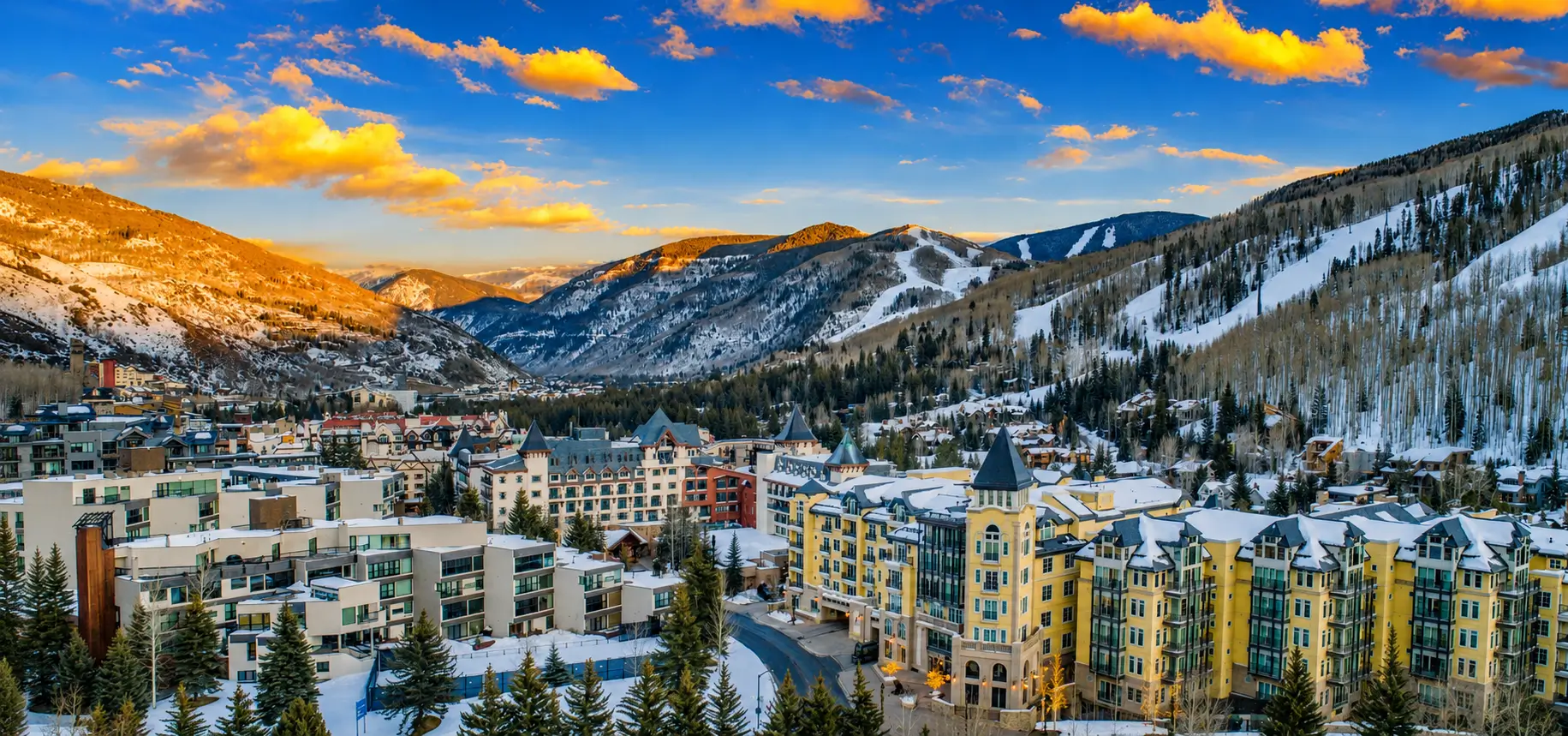
Vail is one of the most popular Colorado mountain towns. It is open to visitors throughout the year. They come here for skiing, hiking, biking, and gorgeous mountain sights! It is essential to know about vail colorado altitude before embarking on a journey. The town is located on higher ground than sea-level, which means less oxygen. It is possible to experience mild altitude sickness and tiredness or shortness of breath on the first day. With a little work, your body will adapt more readily. This is the ultimate Vail trip guide for a safe, comfortable, and fun experience.
Understanding vail colorado altitude
Before you travel to Vail, Colorado, it is crucial to know one of the most important things: Altitude. The town is located at a base elevation of approximately 8,150 feet (2,484 meters) above sea level. Vail Mountain’s summit is 11,570 feet (3,527 meters) high. Vail’s high elevation differentiates it from many other travel destinations in the United States.
The air pressure at this altitude is lower; air will contain less oxygen with each breath. These conditions need to be adjusted to, and your body will need time to adapt. With adequate rest and fluids, most visitors will adjust in 1 to 3 days. But this may vary depending on your health, fitness, age, and experience at high elevation.
Vail Elevation Overview
| Location | Elevation |
| Vail Village | 8,150 ft (2,484 m) |
| Lionshead Village | 8,120 ft (2,475 m) |
| Mid-Mountain | Approximately 10,000 ft (3,048 m) |
| Vail Mountain Summit | 11,570 ft (3,527 m) |
Residents of the villages may find it more challenging to breathe when participating in outdoor activities, including skiing, hiking, etc., due to the high elevation difference.
Location of Vail, Colorado
Vail is a mountain community in Colorado, on Interstate 70 in Eagle County. It is about 97 miles (156 km) west of **Denver> and around 35 miles (56 km) east of **Eagle>. Nestled among the Rocky Mountains, Vail is one of the most popular skiing, hiking, mountain biking, and outdoor recreation destinations in the United States. It’s also located in the middle of the city, making it a great place to stay for people who want to see all the spots around the city.
How to Reach Vail
Vail is easily accessible, and there are multiple modes of transportation available from various locations.
By Air
The nearest airport is Eagle County Regional Airport (EGE), which is about 35 miles (56 km) away from Vail. It provides seasonal and all-year-round services between several major cities in the United States. The airport offers shuttle services, taxis, and rental cars to Vail.
Another popular option is Denver International Airport (DEN), about 120 miles (193 km) east of Vail. It is the state’s biggest airport with extensive connections to domestic and international flight services.
By Car
If you’re driving, Vail is easily accessible via Interstate 70 (I-70). Traffic and weather conditions will affect the travel time from Denver, which is about 2-2.5 hours. Those travelling in winter should verify road conditions before travelling, as driving times can be affected by snow.
By Shuttle or Bus
There are daily airport shuttles and private car service options between Denver International Airport, Eagle County Regional Airport and Vail. There are also regional bus lines that run between Vail and surrounding mountain towns as well as to Denver, which offer budget-conscious travelers an alternative.
Why Vail’s High Elevation Matters
The surrounding landscape is just one part of what is affected by high elevation. It impacts your body, your physical performance, how hydrated you feel, the quality of your sleep, and how quickly you get tired.
As altitude increases:
- Oxygen availability decreases.
- Drier air is experienced.
- Your body will expel water more quickly.
- There is more effort involved in physical activities.
- After exercise, recovery is delayed.
These changes can be apparent within a few hours of reaching high altitudes if you are travelling directly from lower altitudes.
Thankfully, most symptoms are short-lived and will get better as the body grows accustomed to them. Knowing what you’ll encounter will help you make the most of your vacation without having to worry.
How Altitude Affects Your Body
Your body needs oxygen to create energy. Sea level is where oxygen is available and allows muscles and organs to function well during normal activities.
The reduced air pressure in Vail results in less oxygen being delivered on every breath. Your body will automatically raise your breathing and heart rate to make up for this. In time, it starts to make more red blood cells to boost oxygen-carrying capacity.
Visitors are likely to see:
- Mild headaches
- Breathlessness when exercising.
- Increased fatigue
- Dry mouth
- Poor sleep
- Faster heartbeat
- Greater thirst
These symptoms typically get better without treatment as your body adapts.
These effects are more likely to be noticed by those entering on the planes and skiing or hiking right away, rather than those who enter and gradually build up in elevation over several days.
Can You Get Altitude Sickness in Vail?
Yes. Many guests will develop Acute Mountain Sickness (AMS) after arriving in Vail from lower elevations due to the altitude of over 8,000 feet.
The symptoms may occur within 6-24 hours of arrival and are typically mild.
Common symptoms include:
- Headache
- Nausea
- Dizziness
- Fatigue
- Difficulty sleeping
- Loss of appetite
- Mild shortness of breath
Rest, lots of fluids, and acclimatization usually cure most people.
If symptoms are more severe, though – like confusion, continual vomiting, trouble walking, or excessive difficulty breathing – seek medical help immediately, as this could be a sign of a more serious altitude-related condition.
Tips to Adjust to Vail’s Altitude
Luckily, there are a couple of easy methods to minimize the danger of altitude sickness and have a hassle-free vacation.
- Increase fluid intake for the day.
- Avoid alcohol for the first 24-48 hours.
- If you are not well hydrated, limit caffeine.
- Do not exercise strenuously straight after landing.
- Have well-balanced meals with carbohydrates.
- Get plenty of rest in the first few nights.
- Use sunscreen as the sun is more intense at higher altitudes.
- Tune in to your body, and take rest if needed.
These measures are intended to help your body acclimate naturally, while minimizing the risk of some of the most common altitude-related issues.
Does Fitness Prevent Altitude Sickness?
The myth exists that physically fit people cannot suffer from altitude sickness. There is a myth that physically fit people will not get altitude sickness.
While excellent cardiovascular fitness certainly comes in useful when you’re out there, it doesn’t matter how fit or young you are; you can still suffer from altitude sickness.
Symptoms can develop even in professional athletes, marathoners, and seasoned hikers when they make a quick ascent to heights above 8,000 ft.
The most important thing is to give sufficient acclimatisation time, not only fitness.
Weather at High Elevation in Vail
Due to its elevation, Vail has a cool mountain climate. As the seasons vary, this place is a good place to visit throughout the year. Winter is well known for being snowy and great for skiing. Milder temperatures in spring, though there may be snow on some high trails or muddy paths.
During the summer, the days are hot and the evenings are cool, ideal for hiking, mountain biking, and sightseeing. Fall is a beautiful time with colorful aspen trees on the mountains and fewer people. Fall is one of the best seasons to get away to Vail, in part because of the fresh air and nice weather.
Average Seasonal Weather in Vail
| Season | Average Temperature | What to Expect |
| Winter (Dec–Feb) | 5°F to 32°F (-15°C to 0°C) | Heavy snowfall, skiing, snowboarding |
| Spring (Mar–May) | 25°F to 55°F (-4°C to 13°C) | Melting snow, mixed weather |
| Summer (Jun–Aug) | 45°F to 78°F (7°C to 26°C) | Hiking, biking, festivals |
| Fall (Sep–Nov) | 28°F to 65°F (-2°C to 18°C) | Autumn colors, fewer tourists |
Don’t forget to check the weather before going outside – it can change rapidly in the mountains.
Best Time to Visit Vail
The ideal time to visit Vail is based on what you want to do. Each season has its own highlight – skiing in winter and hiking in summer. For those who like fewer crowds and a laid-back vibe, spring and autumn are great seasons for a trip.
Winter (December to February)
Vail is at its peak in the winter. It is the perfect season to ski, snowboard, snowshoe, and party. The mountains are covered in snow and provide a beautiful winter scene.
Spring (March to May)
Spring is warmer and less visited. Snow starts to melt, and the valley becomes greener. Snow and mud conditions could be present on some higher hiking trails.
Summer (June to August)
It’s a great time to enjoy outdoor activities in the summer. Hiking, mountain biking, fishing, and scenic gondola rides are all available to visitors. It is a popular season for naturalists due to the beautiful weather and wildflowers.
Autumn (September to November)
Fall is a beautiful season with aspen trees in colorful hues and cool, comfortable temperatures. Beach House, a peaceful community, is a great place to explore Vail as the crowds thin out. This is also an excellent time to photograph and to drive scenic routes.
Skiing at High Altitude
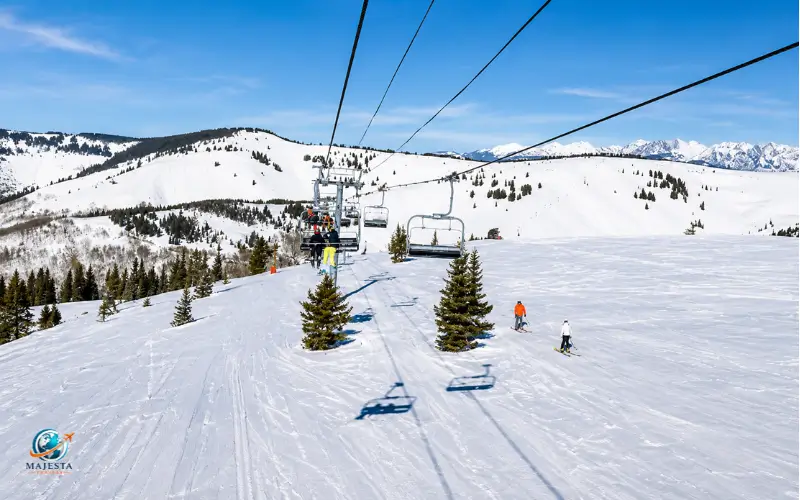
In addition to being a world-renowned ski destination, skiing at elevations above 8,000 feet can be different than skiing at lower-elevation resorts.
Air is thinner, which can make you get tired more easily, particularly on the first day on the slopes. Even old skiers will find that they need to take more frequent breaks when exploring Vail Mountain.
If your primary motivation is skiing, here are some practical tips:
- Take some time to get used to the cold before your first full day of skiing.
- Take precautions to warm up before going onto the slopes.
- Take water frequently during the day.
- Bring snacks on hand to keep you energized.
- Don’t ski for several hours at a time.
- Layer for moisture management, in varying weather.
- Apply sun cream; protect skin with UV-protective tinted sunglasses.
Taking it easy and drinking plenty of water can help you enjoy your time on the mountain more comfortably.
Hiking at Higher Elevations
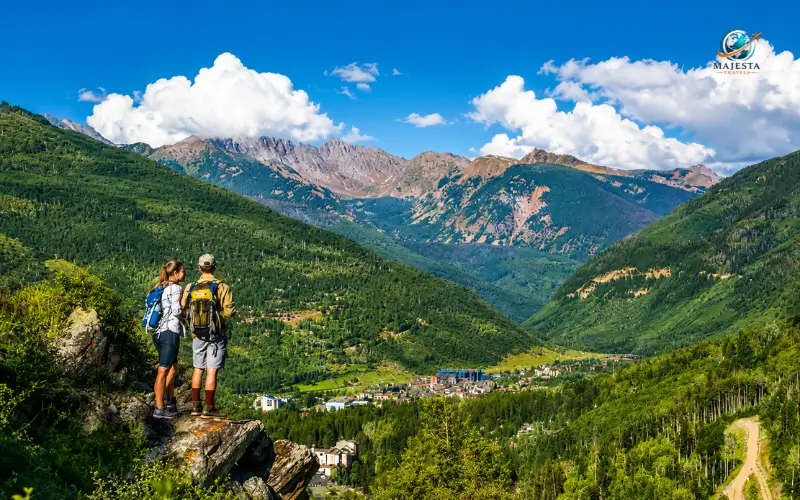
One of Vail’s most popular activities is hiking in the summer. Trails range from easy nature walks to steep, high-elevation hikes above 10,000 feet.
As elevation rises, many hikers will find it harder to breathe than normal. This is totally normal, but it helps to emphasize the need to go at a comfortable speed.
Before embarking on a hike:
- Avoid late morning and afternoon thunderstorms.
- Have ample drinking water.
- Use sturdy hiking boots with a strong tread.
- Bring light rain clothes.
- Take snacks for longer trails.
- Keep to designated trails.
- If hiking off-piste, inform others of your route.
Keep in mind that higher trails will be cooler, windier, and receive more sunlight than the valley below.
Understanding Oxygen Levels at High Altitude
A lot of people realize that things are more difficult to do when they get to Vail. This is due to the elevation of the town. Activities such as walking up hills or carrying bags can make you feel even more fatigued.
In Vail, there is still approximately 21% oxygen in the air, but the air pressure is less than at sea level. This means that all your breaths carry less oxygen to your body. This may make skiing, walking, and other activities difficult to do.
Your body gradually adapts to the higher elevation by increasing your breathing and heart rate. Most healthy travellers begin to feel better in 1-3 days. It is important to drink plenty of water, get sufficient rest, and avoid over-exertion to help acclimatize more comfortably.
Flying Into Vail
The majority of visitors fly into the area and then take a shuttle, rental, or private car to Vail.
EGE (Eagle County Regional Airport) is the nearest airport, approximately 35 miles (56 km) west of Vail. It flies several times a day from major U.S. cities and is the fastest way to get to the resort, especially during the non-summer months.
The other popular choice is Denver International Airport (DEN), about 120 miles (193 km) east of Vail. The flight distance is longer, but DEN has a much wider choice of domestic and international flights, and can be a convenient option for many travelers.
If you are travelling directly from sea-level to the mountains, attempt to have a relaxed first day. Take time to acclimate to your new surroundings before skiing, hiking, or other activities. This simple trick can help make the transition to vail colorado altitude much easier.
Driving to Vail
The Colorado Rockies are a place to experience driving. Vail is easily accessible via Interstate 70 (I-70), one of the state’s main highways.
Travel times are subject to change with weather and traffic conditions and are especially unpredictable during winter weekends and holiday times. Always check road conditions before traveling during a snowstorm; they can cause a lot of delays!
- If you will be renting a car:
- If driving in the ski season, be sure it is prepared for winter driving.
- Allow extra travel time during snowstorms.
- Maintain a minimum of 50% fuel level in the fuel tank.
- Bring a smartphone charger, warm clothing, and emergency items.
- Keep an eye out for wildlife, particularly in the early morning and evening.
You can also use driving as an opportunity to check out mountain towns, mountain overlooks, and recreation areas outside of Vail.
Where to Stay in Vail
The right choice of accommodation can enhance your trip, particularly if it is your first time. There are many places to stay in Vail, including resorts, ski-in/ski-out hotels, budget inns, vacation rentals, and family cabins.
The majority of visitors will be staying in either Vail Village or Lionshead Village. Both locations have easy access to restaurants, shopping, ski lifts, and public transport. Living in one of these central areas means less driving and can be enjoyed on foot in the mountain atmosphere.
For a more tranquil getaway, lodging is available towards the back of town with views of the mountains and a quieter atmosphere, making it easy to stay within easy reach of the main attractions, but still drive or take a shuttle directly to the mountains.
Vail Colorado altitude makes some guests want to enjoy their first night in the hotel rather than start right away outside. This allows the body some time to start acclimating.
What to Pack for Your Trip
When packing for Vail, you need to pay attention to a bit more than traveling at lower elevations. The weather can turn bad very quickly, and the morning and afternoon temperatures may be very different.
The best approach is to use a layered clothing system; that way you can adjust your layers throughout the day.
Consider packing:
- Warm insulated jacket
- Waterproof outer layer
- Thermal base layers
- Comfortable walking shoes
- Hiking boots (summer)
- Snow boots (winter) that are waterproof.Water-Proof Snow Boots (Winter).
- Hat and gloves
- UV protection sunglasses.
- Sunscreen (SPF 30 or greater)
- Lip balm
- Reusable water bottle
- Short Haul Day Trip Backpack (should be small enough to fit in a car seat).
- Personal medications
- Portable phone charger
The nights can be surprisingly cool, even in summer, at the high elevations of the mountains.
Outdoor Activities Beyond Skiing
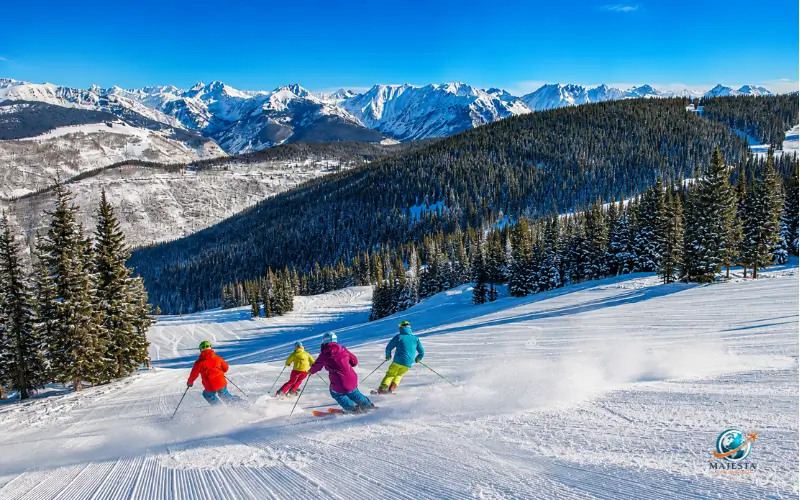
Well-known for skiing, there are many other activities to enjoy all year long at Vail.
In summer, hikers, mountain bikers, horseback riders, and golfers will enjoy the alpine forests and rivers for fishing, while gondola rides offer panoramic views of the mountains.
Other winter activities include snowshoeing, ice skating, snowmobiling, tubing, and guided backcountry trips.
Nature centers, scenic walks, local parks, and seasonal festivals are popular attractions for families.
From adventure to relaxation, Vail is filled with activities for just about every age and trip.
Dining at High Elevation
Eating healthy food helps your body adjust to Vail’s high altitude. At higher elevations, your body uses more energy than usual. A nutritious diet can help to minimize fatigue and aid in acclimatization. There are also numerous restaurants offering both local and foreign cuisine in Vail.
- Try to break up meals into smaller portions throughout the day.
- Use carbohydrates for fuel.
- Drink water at mealtimes.
- Stay away from alcohol in the first 24-48 hours.
- Bring nutritious foods to take on hikes or snowshoes.
A nutritious diet, adequate fluid intake, and rest will help ensure safe and comfortable travel.
Staying Hydrated Is More Important Than You Think
One of the most frequent issues travelers have while visiting Vail is dehydration. Mountain air is drier, and the body has a greater loss of water than at lower altitudes. This can cause headaches, fatigue, and dizziness.
A lot of travelers don’t feel they are thirsty until they feel thirsty. This is why it’s crucial to consume water throughout the day. Never drink when thirsty.
If you will be skiing, hiking, or spending several hours outside, drink more water. Bringing along a water bottle that you can use again and again helps you keep hydrated as you are performing your activities.
For extended periods of activity, sports drinks can be useful in replacing electrolytes, but water is the primary choice when exercising. It is important to drink plenty of fluids so that your body can acclimate itself more easily.
Tips for Families Visiting Vail
Vail is a great destination for families looking for outdoor fun and relaxation. Beginner ski lessons, parks, wildlife, and seasonal events are available for children, and safe, walkable villages and family-friendly lodging are available for parents.
If travelling with children:
- Have regular drinks.
- Keep them properly layered.
- Apply sunscreen regularly.
- Take breaks between activities.
- Do not overexert yourself the first day.
- Keep an eye on them for fatigue or dehydration.
Children are usually well suited to higher altitudes, although they are not necessarily aware of early signs and symptoms of discomfort at altitude.
Visiting Vail as an Older Adult
Vail is a popular destination for retirees and senior travelers, who come to enjoy the town’s scenic beauty and tranquility.
Elderly people can have a wonderful time in the destination, but might need a bit longer to get used to it after they arrive.
Helpful recommendations include:
- Drink plenty of fluids all day long.
- Walk at a comfortable pace.
- Do not carry heavy bags when going uphill.
- If you find yourself feeling unusually tired, rest.
- If you have heart or lung problems, talk to your health care professional about travel.
With a little preparation, seniors can enjoy the beauty of Vail in all seasons.
Safety Tips for High-Altitude Travel
Most vacations in Vail are enjoyable and relatively trouble-free, but there are some simple precautions to make them more comfortable and safe.
Here are some recommendations to keep in mind:
- Don’t wait until you are thirsty to drink water.
- Apply sun cream, even on cloudy days.
- Take an extra outfit.
- Please check the weather forecast before going outdoors.
- Don’t push yourself physically on the first day.
- Use marked hiking and/or ski trails.
- Be familiar with the location of medical facilities.
- Inform someone of plans before extended hikes.
- Take a fully charged cell phone with you.
Preparation puts you in the mindset to be enjoying your time on the mountain, not solving problems that could have been avoided.
Nearby Attractions Worth Visiting
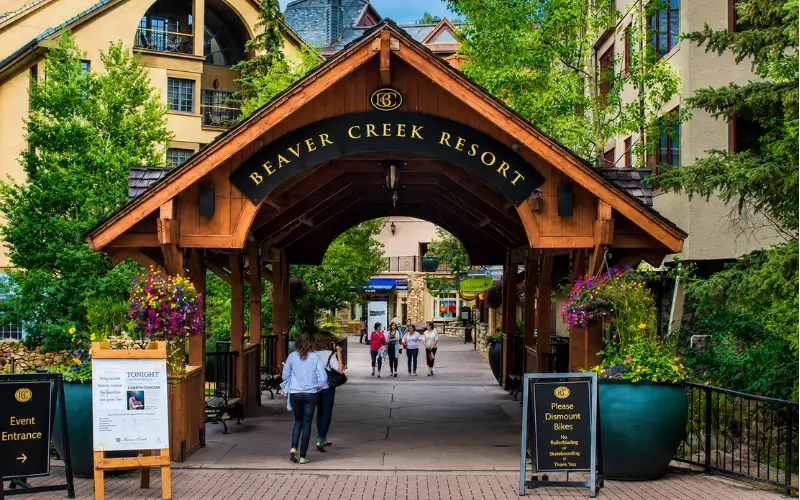
Vail is a place to stay, but also serves as a starting point for exploring nearby attractions in the Rocky Mountains. Whether you’re staying for a weekend or an extended vacation, consider adding these places to your itinerary.
There are several popular nearby destinations:
- Beaver Creek Resort – A luxury mountain resort known for skiing, fine dining, and family-friendly activities.
- White River National Forest – Offers scenic drives, hiking trails, camping, and wildlife viewing.
- Betty Ford Alpine Gardens – One of the world’s highest botanical gardens, featuring alpine plants from around the globe.
- Piney River Ranch – A beautiful location for kayaking, fishing, horseback riding, and photography.
- Glenwood Springs – Famous for its natural hot springs and relaxing atmosphere.
All destinations are within easy driving distance and are good for a day trip.
Common Mistakes First-Time Visitors Should Avoid
A lot of tourists don’t realize that mountain weather changes from that of lower altitudes. It’s possible to make your visit much more enjoyable by steering clear of a few common pitfalls.
These are some of the common mistakes:
- When arriving, drinking too little water.
- Drinking too much on the first day.
- Rushing to do challenging hikes right after landing.
- Cool temperatures leading to a loss of sunscreen.
- Failure to wear the correct footwear for mountain use.
- Not following the changing weather advice.
- Not wearing enough warm clothes.
- Not allowing enough time to rest after travel.
You will give your body a little more time to adjust naturally during the first 24–48 hours and enjoy the rest of your vacation.
Is Vail Suitable for First-Time Mountain Travelers?
Absolutely. Vail is among the visitor-friendly mountain destinations in the USA.
The town provides outstanding infrastructure, good transportation, quality housing, medical facilities, outdoor recreation, shopping, and dining. When visitors are ready for elevation, and the weather cooperates, they have a comfortable and memorable visit.
Make the most of your vacation to vail colorado altitude regardless of whether you are traveling solo, as a couple, with friends, or with family, by planning.
Final Thoughts
Vail is more than just a popular ski resort. It has stunning mountain views, fun outdoor activities, and experiences for all seasons. The town is located at a fairly high altitude, so take time to plan accordingly. Drink plenty of fluids, eat well, rest as much as possible, and relax on your first day to help your body acclimate. Before you hit Vail, you can experience this popular Colorado destination with a safer, more comfortable, and more memorable experience by knowing the vail colorado altitude.
Must Read: What to Do in Zurich
Best Places to Visit in Croatia
Meeker Colorado Travel Guide
Frequently Asked Questions
What is the altitude of Vail, Colorado?
The base elevation of Vail is about 8,150 feet above sea level (2,484 meters). Vail Mountain’s peak is 11,570 feet (3,527 meters).
Can you get altitude sickness in Vail?
Yes. A few visitors, particularly those from lower altitudes, may experience minor altitude sickness symptoms during their first 24 to 48 hours. Common symptoms are headache, dizziness, fatigue, nausea, and sleep disturbances.
How long does it take to adjust to Vail’s elevation?
The majority of healthy travellers adapt to the environment within 1-3 days. The first day is important to acclimate, so it is important to stay hydrated, rest well, and avoid strenuous activities.
Is Vail higher than Denver?
Yes. Vail is quite a bit higher, at about 8,150 feet, compared to Denver at 5,280 feet.
What is the best time to visit Vail?
This will depend on your hobbies. The skiing and snowboarding season is best from the end of November through to the end of March; the hiking and mountain biking season runs from April through to September; the summer festivals and scenic outdoor activities are best in May, June, July and August. Fall is a popular time for fall foliage and low populations.
Should I drink more water in Vail?
Yes. Dehydration is more likely because of the dry mountain environment. It is important to drink water throughout the day.
Is Vail suitable for families and older travelers?
Yes. Vail has activities, accommodations, and facilities for all ages. Older adults or families should just give themselves some time to adjust, drink plenty of fluids, and work at their own pace when outdoors for the first few days.