Envision splashing along a beach at night with the waves glowing bright blue as they hit the shore. This real phenomenon might seem like it’s part of a movie. It’s referred to as bioluminescence.
Bioluminescent—Lights produced within a living organism by a chemical reaction. In oceans & in coastal waters, some small creatures called the dinoflagellates are typically the source of this magical glow. As the water flows due to waves, boats, swimming, or kayaking, these produce light and cause glowiness.
Bioluminescent beaches and bays bring visitors from all over the world. Others have entire bays that glow when disturbed, and some places have glowing waves. From fun and excitement like photography, kayaking, wildlife, or discovering something new about traveling, it is an event that you will never forget.
What Is Bioluminescence?
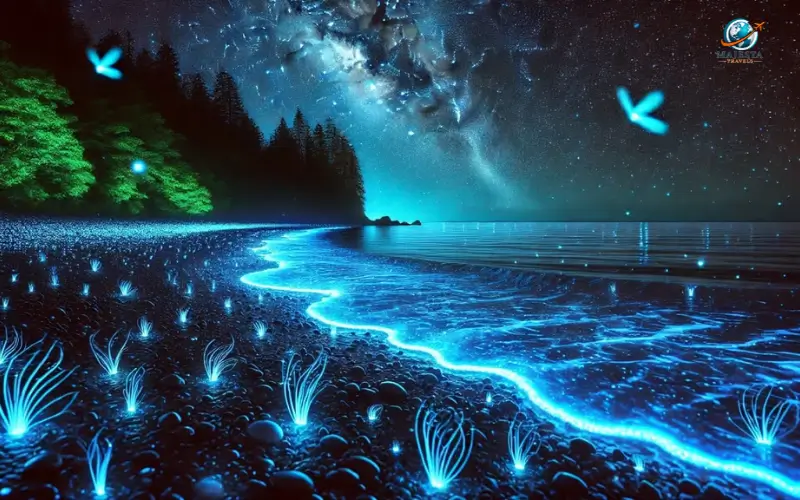
A production of light by living organisms is known as bioluminescence. This light is produced by chemical means, by a reaction between two compounds called luciferin and lucifera,se which takes place in nature.
The dinoflagellates (microscopic plankton commonly found in marine environments) are best-known bioluminescent organisms. These are small creatures that emit blue light when some water motion occurs.
The glow can come in various shapes:
- Glowing ocean waves
- Trails of light behind boats that are very bright.
- Splashes around among water enthusiasts.
- Illuminated shorelines
- Bays and lagoons are lit with the help of glowing organisms
This is because the light tends to be blue, as blue wavelengths pass easily through water and are also easily seen by the human eye at night.
What Conditions Are Best for Seeing Bioluminescence?
Several factors impact vision:
- There is little light pollution in the dark sky.
- New moon nights
- Calm weather
- Warm water temperatures
- Plankton levels are quite high
- Protecting bay/lagoon habitats
The darkest the sky, the better, and the best time to visit is during a new moon.
Best Places to See Bioluminescence
| No. | Destination | Country | Highlight Experience |
| 1 | Mosquito Bay | Puerto Rico | Brightest bioluminescent bay in the world |
| 2 | Laguna Grande | Puerto Rico | Mangrove kayak tunnel leading to glowing waters |
| 3 | La Parguera | Puerto Rico | Rare place where you can swim in glowing water |
| 4 | Luminous Lagoon | Jamaica | Extremely bright blue glowing lagoon |
| 5 | Vaadhoo Island | Maldives | The famous “Sea of Stars” glowing beach |
| 6 | Jervis Bay | Australia | Occasional glowing waves on white-sand beaches |
| 7 | Gippsland Lakes | Australia | Rare freshwater bioluminescent glow |
| 8 | Tomales Bay | USA (California) | Night kayaking with glowing water trails |
| 9 | Mission Bay | USA (California) | Glowing blue waves during red tide events |
| 10 | Indian River Lagoon | USA (Florida) | Kayaking with glowing water + wildlife |
| 11 | Toyama Bay | Japan | Firefly squid creating a blue glowing sea |
| 12 | Waitomo Caves | New Zealand | Glowworms create a star-like cave ceiling |
| 13 | Koh Rong | Cambodia | Bioluminescent beach swimming at night |
| 14 | Halong Bay | Vietnam | Glowing water during night cruises |
| 15 | Matsu Islands | Taiwan | Famous “Blue Tears” glowing coastline |
1. Mosquito Bay, Vieques, Puerto Rico
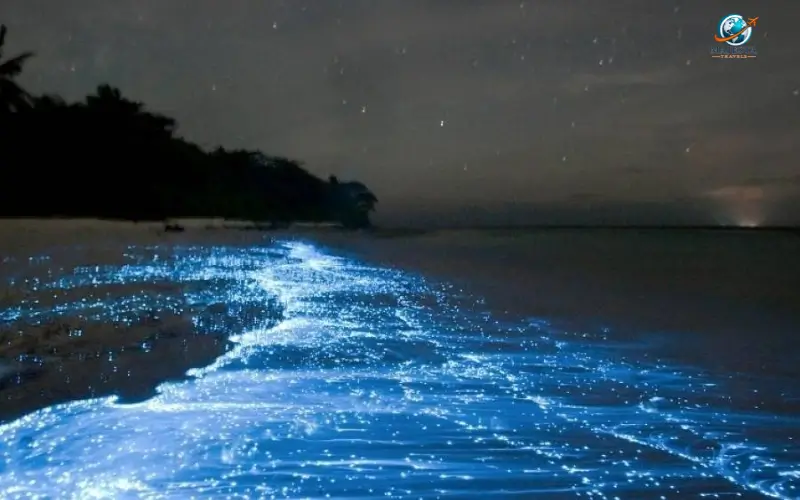
Mosquito Bay is famous for its bioluminescence and is generally regarded as being the best spot in the world to see bioluminescence. It is situated on the island of Vieques in Puerto Rico and is renowned for its dense population of bioluminescent dinoflagellates, the greatest in the world.
At night, when visitors cross the bay on their paddles, each strike of the paddle makes a spectacular flash of thud. Glowing trails are often left behind by the fish that swim near the surface.
Why Visit Mosquito Bay?
- Exceptional brightness
- Protected ecosystem
- Year-round viewing opportunities
- Popular kayaking tours
Best Time to Visit
The glow is visible all year round but shows best at the new moon.
2. Laguna Grande, Puerto Rico
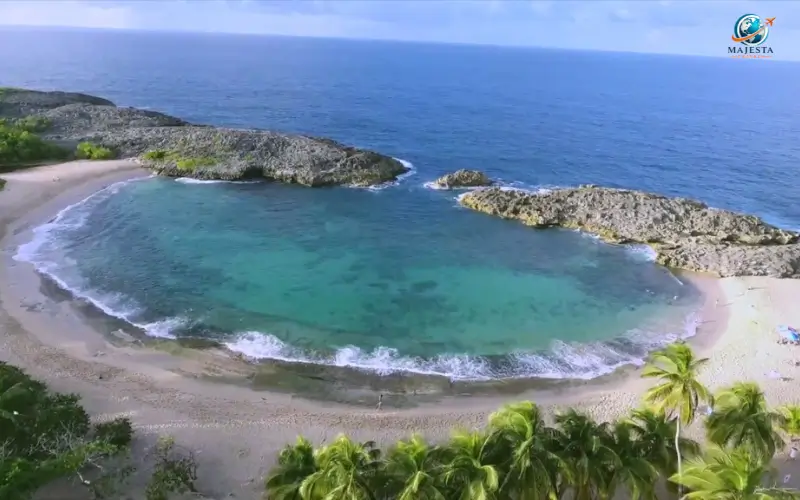
But another famous bioluminescent bay is Laguna Grande, which is in the eastern part of Puerto Rico near Fajardo. It is one of the finest places in the Caribbean to see bioluminescence, with its shores being bathed in shimmering waters and its mangrove ecosystem also providing nourishment to the bioluminescence. People typically access the lagoon via one of the narrow mangrove inlets that lead to this open bay, where the open waters are mesmerizingly blue under the light of millions of bioluminescent dinoflagellates. The mangroves not only make this a special experience, but it also brings a level of adventure.
Highlights
- Beautiful mangrove ecosystem
- Guided kayak tours
- Great location, and direct from San Juan
- Strong bioluminescent activity
Laguna Grande is one of the easiest-to-access bioluminescent places in the Caribbean.
3. La Parguera, Puerto Rico
One of the most exceptional bioluminescent bays in Puerto Rico is La Parguera, where swimmers can encounter the light of the bioluminescent organisms in the water. In contrast to other protected bioluminescent bays, where one cannot swim, visitors can enjoy the phenomenon at La Parguera. The water swirls around the swimmers, and tiny organisms with biomagic will generate bright flashes of blue light and have a magical and unforgettable effect. The bay is a great place to spend time on boat trips, at night, or just watching the local wildlife, making it another favourite for sea lovers, nature lovers, and adventure seekers.
Why Travelers Love It
- Swimming opportunities
- Boat tours
- Beautiful coastal scenery
- Family-friendly experiences
Swimmers’ experience under the glaring waters will never be forgotten.
You Also Like: Best Beaches Near Barcelona | Top Coastal Escapes for Every Traveler
4. Luminous Lagoon, Jamaica
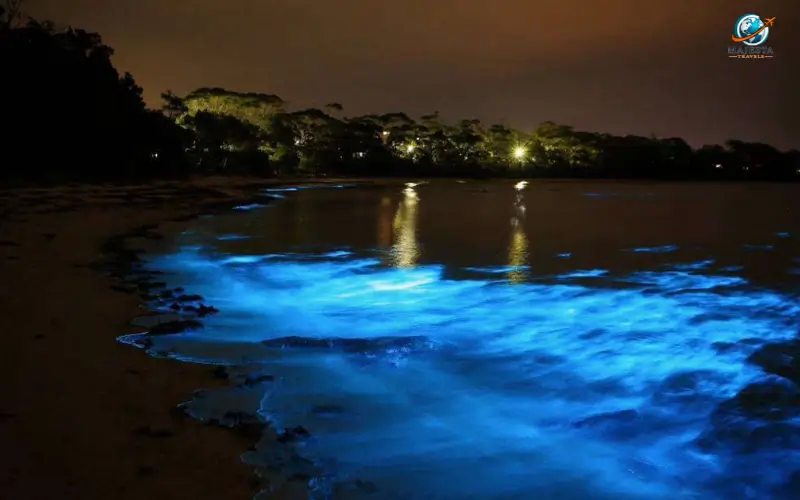
Luminous Lagoon is one of the brightest bioluminescent lagoons in the world and is located close to Falmouth, Jamaica. A natural phenomenon, where millions of minute bioluminescent organisms grow and glow with a brilliant blue color when the water is disturbed. The phenomenon can be seen with a guided boat tour or by swimming in specific swimming areas, where every movement will form glowing patterns in the water. Luminous Lagoon, with warm tropical temperatures, year-round visibility, and super-charged bioluminescence, is one of the best places to enjoy the glowing waters at night.
Popular Activities
- Boat tours
- Swimming excursions
- Night photography
- Guided nature experiences
Lots of visitors get pleasure from flowing into the water and observing their movements forming glowing designs around them.
5. Vaadhoo Island, Maldives
The Sea of Stars is a majestic phenomenon that is found on Vaadhoo Island. Some plankton are sometimes bioluminescent, which causes the beach to glow with a beautiful bioluminescence in the nighttime sky during certain seasons of the year. Nature is absolutely mesmerizing as the waves gently make their way towards the shore and the water beams with thousands of sparkling stars. Along with the crystal clear waters, white sand beach, and tropical environment of the Maldives, Vaadhoo Island is the place for one of the most magical bioluminescent experiences to be enjoyed in the world, and is also a very popular spot for photographers and nature enthusiasts.
Why Visit?
- Stunning tropical scenery
- Luxury island experience
- Incredible night photography opportunities are to be expected in this region.
- There’s no place that’s a greater romantic location for tourists looking for shimmering beaches ththan thealdives.
6. Jervis Bay, Australia
In New South Wales, the white-sand beaches, crystal clear waters, nd bioluminescence are all renowned highlights of Jervis Bay. Under the right conditions, bioluminescent plankton explode into a bright blue light after dark, illuminating the bay with its glow. Waves along the shore and paths traced in the water due to movement can be viewed by the visitor. Jervis Bay is one of Australia’s most spectacular bioluminescence sites, alongside its natural beauty and presence of marine life species. Nature, marine life species, and dark skies make Jervis Bay one of the most impressive places to experience bioluminescence in Australia.
Best Experiences
- Sea strolling following sundown
- Photography sessions
- Coastal camping
- Wildlife watching
With minimal light pollution and mostly clear skies, Jervis Bay is an ideal viewing spot.
7. Gippsland Lakes, Australia
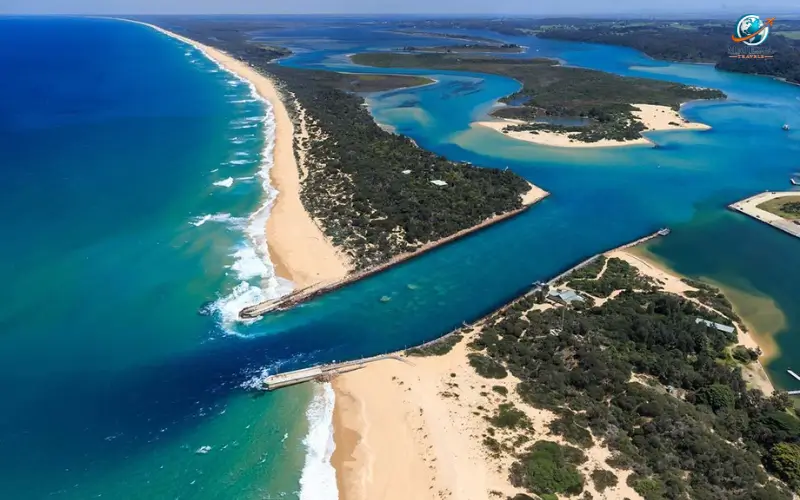
Gippsland Lakes provides one of Australia’s most special bioluminescent sites. The network of lakes and waterways is so large that sometimes it creates spectacular displays of the glowing water, as a result of the presence of certain microorganisms in the water. The water can be dazzlingly coloured with striking blue streaks and shimmering reflections due to fish, boats, or soothing sea motions (at the time of maximum bloom). Gippsland Lakes is an interesting place for nature enthusiasts and photographers with the combination of peaceful natural environments, a wide variety of wildlife, and the opportunity to discover rare bioluminescence in its freshwater environments.
What Makes It Special?
- Fresh and brackish water habitats are euryhaline habitats.
- Rare plankton blooms
- Excellent photography opportunities
- Peaceful natural surroundings
The lake’s surface is shimmering with light, creating stunning night sky views.
Must Visit: Best Beaches Things to Do, Water Activities & Fishing in Marco Island Unisted States
8. Tomales Bay, California
Tomales Bay is one of the finest areas in the United States to view bioluminescence. This gorgeous bay on the coast of California, just near Point Reyes National Seashore, is known for the beautiful and attractive lights in the water, which happen in the season. Several visitors take advantage of nighttime kayaking trips and paddle out in this bay with plankton that flashes blue in the water under a bright light to addle. Tomales Bay’s quiet waters, dark skies, and natural beauty provide a perfect experience for an unforgettable view of one of nature’s most incredible light shows.
Why It Is Popular
- Dark skies
- Protected waters
- Seasonal plankton blooms
- Guided kayak tours
Under the surface, bright blue trails can be seen as paddles swim in the water.
9. Mission Bay, California
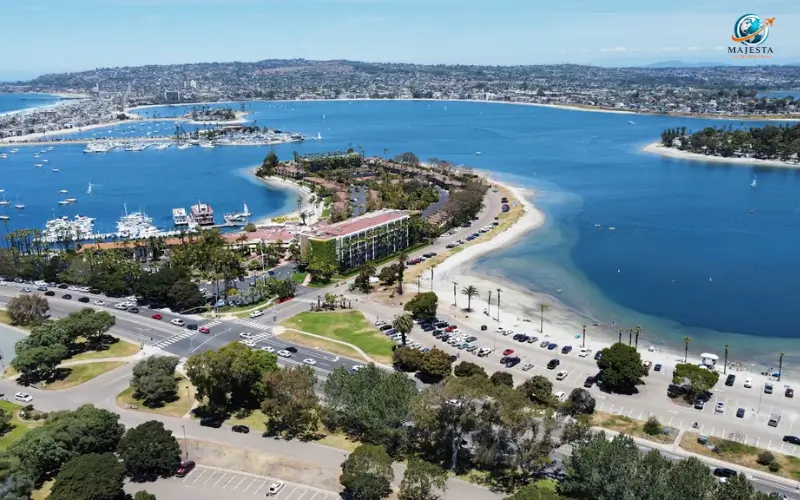
Bioluminescence is one of the most dramatic natural behaviors in California, and Mission Bay near San Diego is a popular area for viewing red tides when they occur. Red tides typically make the waters of the Great Lakes red or reddish brown during the day, but some types of bioluminescent plankton organisms form beautiful glowing blue waves after dark. As waves crash along the shoreline, the water lights up with bright blue flashes, creating a breathtaking nighttime display. This natural occurrence is incredibly uncommon and will draw photographers, beachgoers,r,s and nature lovers out for a visit to California to watch the glowing shimmering waves.
What to Expect
- Bright glowing surf
- Spectacular wave photography
- Easy beach access
- Seasonal viewing opportunities
Under optimal conditions, the waves combine to form one of California’s most spectacular natural shows.
10. Indian River Lagoon, Florida
Indian River Lagoon is among the best bioluminescent locations in North America! This varied estuary is located along Florida’s Space Coast, and is populated with an abundance of bioluminescent living organisms that produce an amazing blue-green colored water when the season is right. People can witness this phenomenon by joining the kayaking or paddleboarding guided tours – they go and come, and it flashes in and out. The lagoon is also home to a wide variety of fish, manatees, dolphins, and wildlife, making it a dining and birding paradise, as well as one of Florida’s most amazing sites.
Popular Activities
- Kayaking tours
- Paddleboarding
- Wildlife viewing
- Eco-tourism experiences
There are also dolphins, fish, and manatees to be encountered on the night trips for many visitors.
11. Toyama Bay, Japan
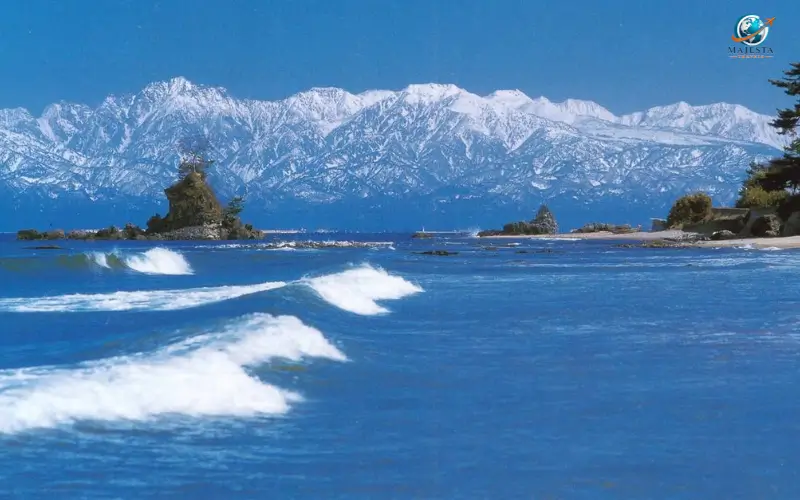
Toyama Bay provides one of the most special bioluminescent shows in the world. In this place, with no glowing plankton, visitors instead see the now-famous sightings of ‘firefly’ squids. [These exist in great numbers, and they migrate in the spring towards the coast, creating a magnificent blue glow over the water. Every spring, millions of these small squids move towards the shore, leaving a beautiful blue light in the water.
Why Visit Toyama Bay?
The firefly squid produces bright blue light with specialized light-producing organs. This natural exhibit is a favorite of photographers, nature enthusiasts, and travelers seeking a “once in a lifetime” experience.
Top Highlights
- A huge gathering of the firefish squid.
- Unique marine bioluminescence
- Beautiful coastal scenery
- Excellent photography opportunities
- Rich marine biodiversity
Best Time to Visit
The best period to observe the firefly squid is from March, around the time of the peak migration, until May. The nights are clear best!
12. Waitomo Glowworm Caves, New Zealand
A totally alternative glimmer cave experience is the Waitomo Glowworm Caves. Visitors may see thousands of glowworms in a cave, radiating magic blue-green light on the cave’s ceilings, rather than seeing the water glowing.
Why Visit Waitomo Glowworm Caves?
These caves give the impression of a starry sky beneath the Earth’s surface. It can be an unusual, calming, and great adventure for people of every age.
Top Highlights
- There are thousands of glowing glowworms.
- Underwater boat cruises with a view.
- Family-friendly attraction
- New Zealand’s most emblematic natural feature.
- Year-round accessibility
Best Time to Visit
The caves are open year-round, making it one of the most dependable bioluminescent sites in the world.
13. Koh Rong, Cambodia
Koh Rong is an excellent place to witness the bioluminescence of Southeast Asia. The island is renowned for its white sand beaches, clear water, and spectacular displays of light on the shores after dark.
Why Visit Koh Rong?
Bioluminescent plankton can be found on many beaches around the island that emit light when disturbed by the movement of boat propellers or snorkelers. Swimming in the waters brings this from an enjoyable experience to an unforgettable one.
Top Highlights
- Tropical island setting
- Warm ocean temperatures
- Night swimming opportunities
- Clear of the crowds of numerous tourist spots
- Affordable beach getaway
Best Time to Visit
Bioluminescence is often best enjoyed during the dry season, November to May.
14. Halong Bay, Vietnam
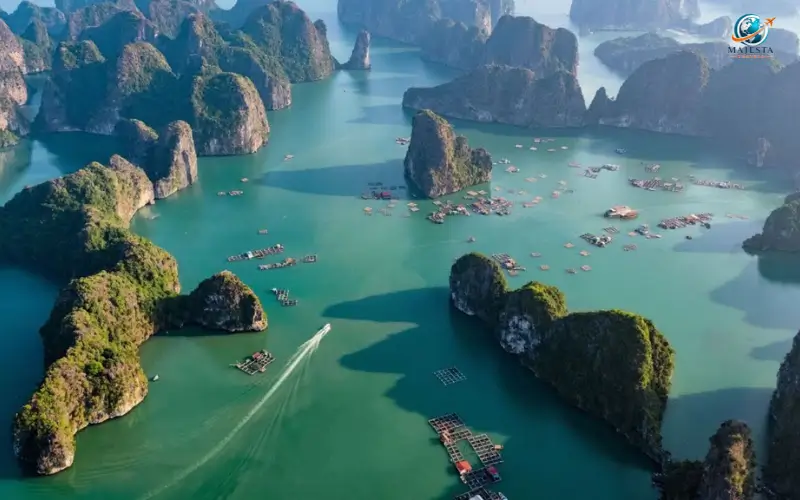
Halong Bay is renowned for its islands of limestone and its spectacular beauty all around the globe. People can also experience glowing bioluminescent plankton under the water during some parts of the year.
Why Visit Halong Bay?
Solar activity in the water when paddling around spectacular limestone rocks is a wonderful travel experience.
Top Highlights
- Overnight cruise experiences
- Stunning island landscapes
- Seasonal bioluminescent displays
- Great photography opportunities
- Renowned for its adventures
Best Time to Visit
Bioluminescence can be best viewed during nights with little or no moonlight.
15. Matsu Islands, Taiwan
Blue Tears is a natural phenomenon of the Matsu Islands. This spectacular event is the result of an aggregation of bioluminescence-rich organisms close to the shoreline, forming a glowing blue patch on the beaches and rocky shores.
Why Visit the Matsu Islands?
It is regarded as one of the most unique natural wonders of Asia and attracts thousands of photographers every year.
Top Highlights
It is a phenomenon that many call the “Famous Blue Tears.”
- Spectacular coastal photography
- Unique island culture
- Seasonal bioluminescent displays
- Beautiful ocean scenery
Best Time to Visit
The best time for viewing Blue Tears and for good viewing conditions is generally spring and early summer.
Best Bioluminescent Destinations by Travel Style
What makes a traveler different is that every one of them desires a different experience. Many like to kayak, some focus on photography, families love it, as do extremists.
Best for First-Time Visitors
These are destinations where you can easily observe bioluminescence and have good odds of seeing it, and where guided tours are offered:
- Mosquito Bay, Puerto Rico
- Laguna Grande, PR
- Luminous Lagoon, Jamaica
Best for Kayaking
Kayaking is one of the most immersive ways of appreciating glowing water; each stroke leaves a trail of light behind it.
The best places to kayak are:
- Mosquito Bay
- Laguna Grande
- Tomales Bay
- Indian River Lagoon
Best for Photography
Dark sky backgrounds and good bioluminescence are sought-after characteristics at photo sites.
Some of the best locations for photography are:
- Vaadhoo Island, Maldives
- Matsu Islands, Taiwan
- Mission Bay, California
The beautiful coastline of Mosquito Bay on the island of Puerto Rico
Best for Families
These places offer tours where family members can participate and are easily accessible for all ages:
- Luminous Lagoon, Jamaica
- Highlight Waitomo Glowworm Caves, New Zealand
- Indian River Lagoon, Florida,
Best for Adventure Travelers
Several of the unique outdoor experiences travelers can consider enjoying include:
- Koh Rong, Cambodia
- Halong Bay, Vietnam
- Jervis Bay, Australia
- Toyama Bay, Japan
Best Time to See Bioluminescence
There are several factors that affect the quality of your experience, such as time.
Visit During a New Moon
Bioluminescence can be difficult to see in the moonlight.
Opting for the brightest displays:
- Travel by the new moon!
- It is advisable to avoid full moon periods.
- Do some digging in local moon calendars before embarking on a journey.
The darkening of the sky accentuates the glowing water.
Seasonal Variations
Bioluminescence is sometimes restricted to certain seasons.
Tropical Destinations
Jamaica, the Maldives, Puerto Rico, and similar other locations might provide viewing opportunities during most of the year.
Temperate Destinations
The phenomenon is more pronounced in endemic areas like California or Australia at certain seasons of the year when plankton levels peak.
Ideal Weather Conditions
It is recommended to use the best viewing conditions as follows:
- Clear skies
- Calm water
- Warm temperatures
- Little wind
- Minimal rain
Always refer to local weather forecasts before making Bookings on Tours.
How to Increase Your Chances of Seeing Bioluminescence
There are a few tricks to increasing your odds of seeing the glow, but despite the fact that bioluminescence is a natural phenomenon, it shouldn’t be taken for granted.
Choose Dark Locations
High levels of light pollution can hinder visibility.
Look for:
- Remote beaches
- Protected bays
- Nature reserves
- Areas with little to no urban light pollution
Join Guided Tours
Professional guides are aware of the circumstances and know where their glow is best heard.
Some tours are guided, and the guided tours will usually provide:
- Safety equipment
- Expert knowledge
- Restricted areas of access
- Better viewing opportunities
- Research Seasonal Activity
Research Seasonal Activity
Each destination has its own peak periods.
Checking local tourism websites and tour operators can help you plan your visit more effectively.
How to Photograph Bioluminescence
Photographing bioluminescence can be challenging because the light is often faint.
Recommended Equipment
This kind of image is what many professional photographers will use:
- DSLR cameras
- Mirrorless cameras
- Wide-angle lenses
- Tripods
Long exposure shooting requires a stable camera.
Camera Settings
Common settings include:
- Long exposure
- High ISO
- Wide aperture
- Manual focus
This glow can be more clearly captured by experimenting with the settings.
Smartphone Photography
Modern smartphones can also produce good results.
Tips include:
- Use Night Mode
- Keep the cell phone stable
- Avoid digital zoom
- Take multiple shots
The key to good bioluminescence photos is patience.
Environmental Factors That Influence Bioluminescence
Thermal emissions and bioluminescence are also limited by good health in marine ecosystems.
Important factors include:
Water Quality
Higher densities of plankton result from clean water.
Nutrient Availability
Some nutrients promote plankton proliferation and development.
Ocean Currents
Plankton can be carried in by currents into bays and lagoons.
Climate Conditions
Bloom activity may be affected by weather and temperature.
Human Impact
Bioluminescent habitats might decline in quality due to pollution or coastal development.
Promoting the conservation of this environment will help pass it on to future generations.
Responsible Tourism and Conservation
Ecological systems that are bioluminescent are sensitive.
A responsible approach to collecting and travelling should always be taken by visitors.
Respect Wildlife
Do not disturb marine life and habitats.
Follow Local Guidelines
Tour operators have generally accepted rules that are in place to protect the environment.
Avoid Polluting the Water
Avoid leaving any litter and do not use introduced products in the vicinity of sensitive ecosystems.
Support Sustainable Tourism
Opt for environmentally conscious tour operators who make conservation a priority.
Responsible travel is important to maintaining these natural wonders.
Final Thoughts
Bioluminescence is among nature’s more amazing features. From the lights of Mosquito Bay to the watery, brilliant views of the Maldives, the Sea of Stars in the scenic walks of the Maldives, to the Waitomo Glowworm Caves, or the Blue Tears in Taiwan, each location will provide you with a different experience.
Puerto Rico is still one of the best places to vacation, including its bioluminescent bays, for first-timers. Those who really wanta tropical beach may go to the Maldives, Cambodia; photographers might want to go to California o,aiwan,, or Australia for breathtaking night photographs.
Regardless of where you decide to venture, the night sky above the ocean’s surface is sure to be a memorable sight for those who do venture, and it is a must on every journey bucket list. The magnificent beaches and bays bear testament to the beauty found in nature.
You Also Like:
Umangrove Place Reem Island: Complete Guide for Residents and Investors
Best Beaches in Florida for Families, Couples & Tourists
Frequently Asked Questions
Where is the brightest bioluminescent bay in the world?
Puerto Rico’s ‘Mosquito Bay’ is one of the world’s brightest bioluminescent bays.
Can you swim in bioluminescent water?
Yes, there are places that allow swimming, such as La Parguera and Luminous Lagoon. Respect ANY local rules.
Is bioluminescence dangerous?
There is no known harmful effect of bioluminescence. But on a nighttime trip, the visitor always needs to take safety precautions.
What causes glowing waves?
Glowing waves are typically a result of bioluminescent plankton that glow when agitated.
Can bioluminescence be seen year-round?
It depends on the location whether you can see it all year round or just during certain seasons of the year.
What is the best moon phase for bioluminescence?
Typically, a new moon will be the ideal period, as it will afford dark skies to help seeing.