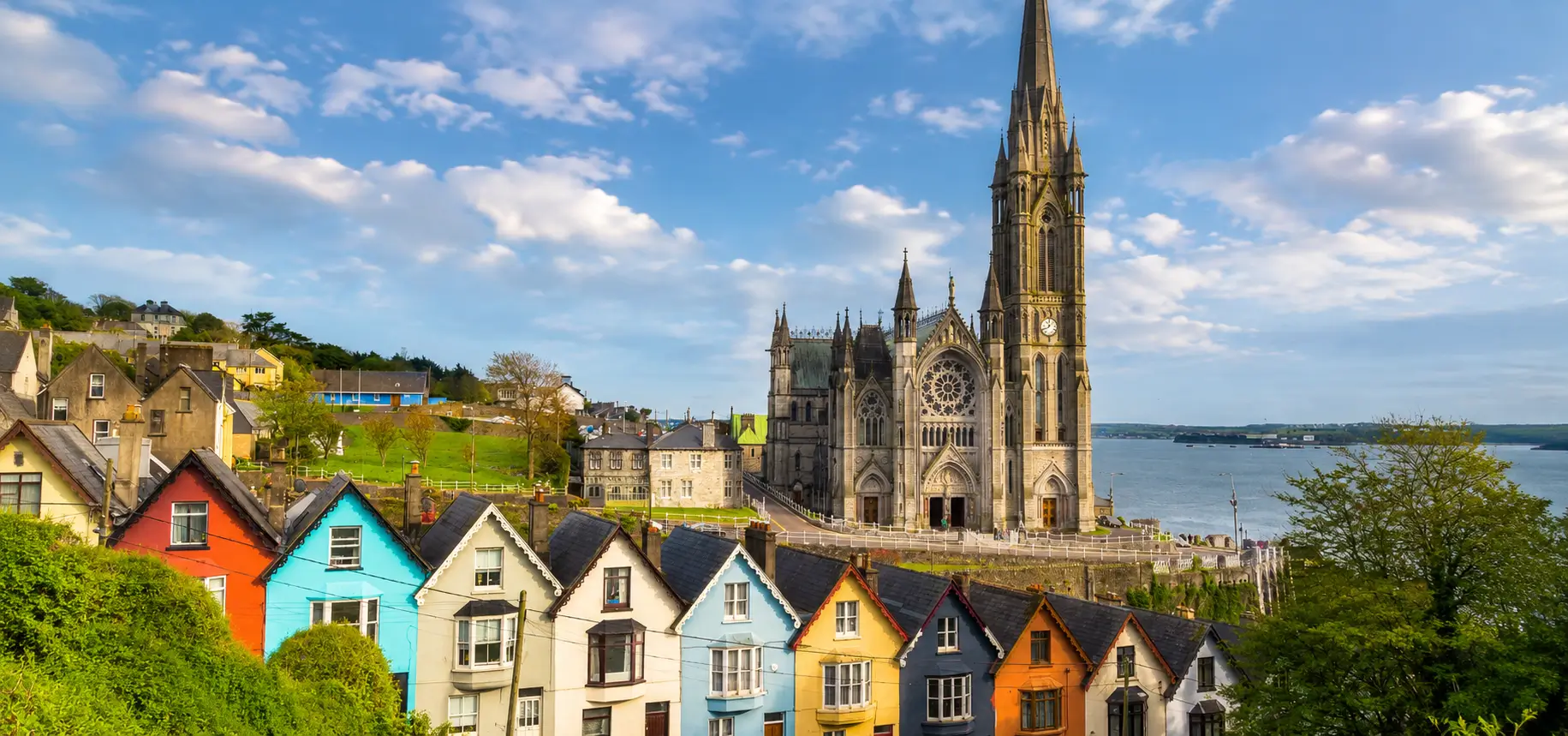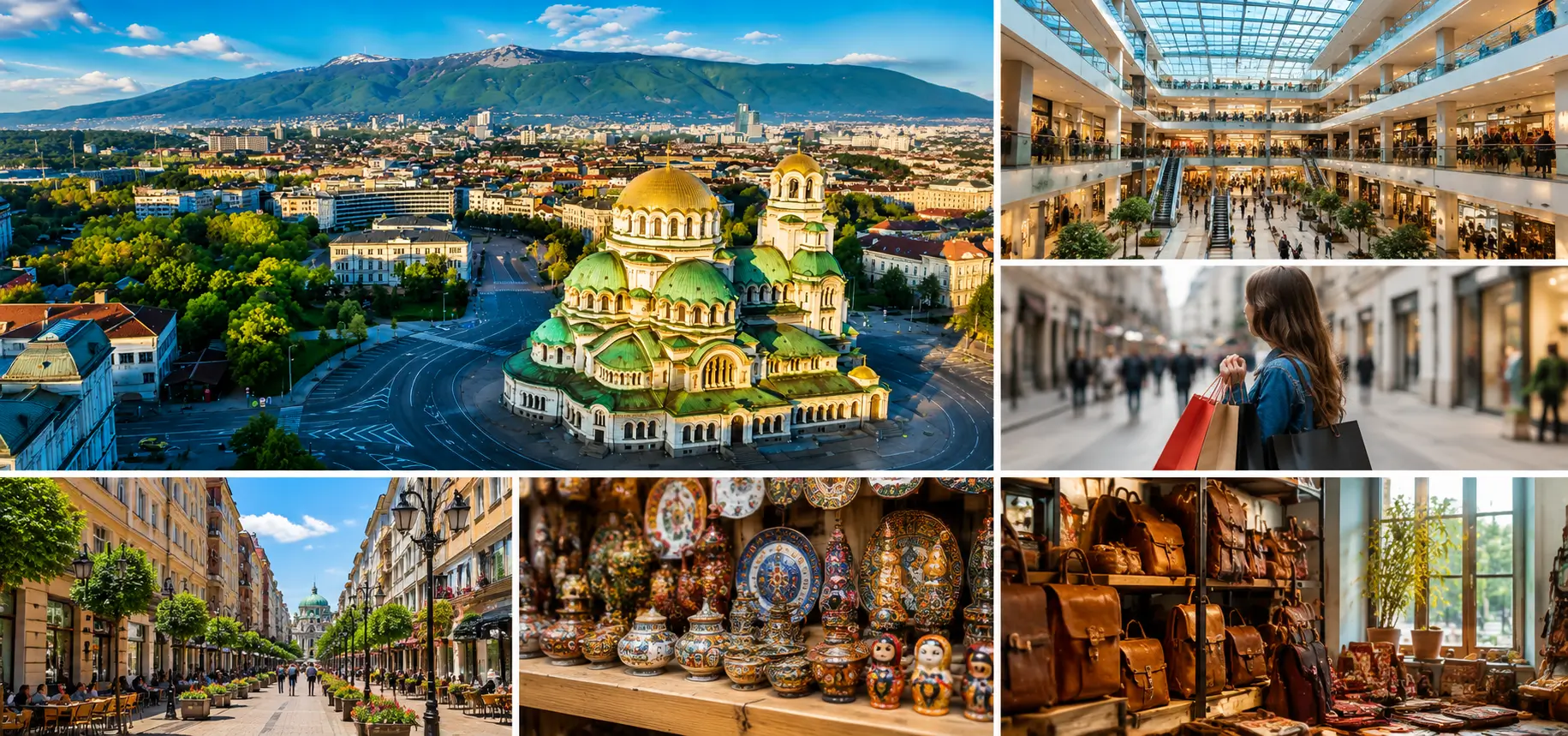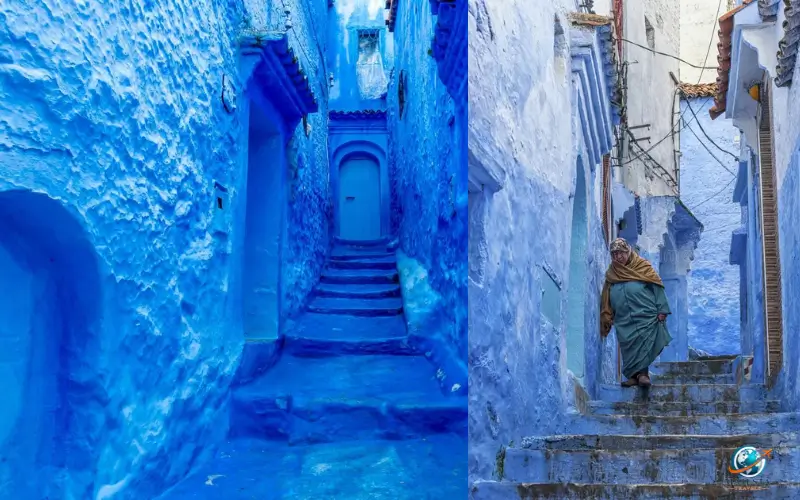
While everyone is talking about the most popular towns and cities in Europe, there are also some of the best places to visit along the rivers of Europe, which are not in the tourist hot spots. They have a special mix of natural beauty, cultural history, outdoor activities, and community life. Visitors can experience a more “authentic” travel experience while exploring the lovely riverside scenes, reflecting the traditions and character of their areas.
Places along rivers are becoming popular, and this shows a shift towards meaningful travel. Many historic towns and cities in Europe grew up along rivers and remain to have a significant influence on the region’s life, architecture, and economic activity.
The Lasting Importance of River-Based Communities
Riverine Place, ranging from medieval river towns to tranquil valleys to modern waterfront districts, all illustrate the continuing importance of rivers in regional development. They are located in attractive areas and are also of cultural, economic, and business interest, which makes them attractive for visitors and investors. With the rise in interest in sustainable and experience-based travel, river destinations are becoming increasingly popular and are considered some of the most attractive places in Europe for traveling.
Why River-Based Destinations Are Gaining Popularity
Today’s travellers are more interested in experiencing the city than in mass tourism. River destinations offer a perfect mix of nature, culture, and accessibility, attracting a diverse range of visitors.
This trend is a result of several factors:
- Scenic waterfront landscapes
- Less crowded environments
- Authentic local culture
- Outdoor recreation opportunities
- Historic architecture
- Sustainable tourism initiatives
- Strong transportation connections
In many areas, the riverbanks have been converted into attractive, historic public areas. This is the perfect mix that forms memorable destinations that have much more than the traditional city tour.
The Rise of Riverfront Tourism Across Europe
Over the last few decades, Europe has spent a great deal of money on projects for the regeneration of the waterfront. The industrial districts have been turned into cultural districts, residential districts, parks, and commercial centers.
These projects are part of a larger movement to develop more dynamic river environments, where residents and visitors can enjoy the river landscape. Many river corridors have been successful and show how water development can create economic development and improve the quality of life.
Many tourists are now looking for Riverine Place with a combination of historical value, recreational opportunities, and waterfront natural beauty.
Regensburg, Germany
Regensburg is located on the River Danube and is one of the most well-preserved medieval urban centers in Europe. Many visitors to Germany prefer to concentrate on the big cities, but for a more personal and authentic experience, one should visit Regensburg.
The city’s historic bridges, Gothic buildings, and riverside promenade provide a picturesque backdrop of centuries of European history. People can enjoy the river cruise, cycling tour, local market, and cultural festival all year long.
The city is also surrounded by a region that is rich in economic activity, making it an appealing place to visit and invest in.
Key Highlights
- UNESCO-listed old town
- Historic Stone Bridge
- Danube river cruises
- Riverside walking trails
- Traditional Bavarian culture
Coimbra, Portugal
Coimbra is situated on the shores of the Mondego River and is a combination of both academic history and waterfront beauty. It’s the Riverine Place where one of the oldest universities in Europe was established, and it has a great cultural offer, but not as crowded as other places.
The riverbank is a place for people to come together, both for residents and tourists. A pleasant atmosphere is provided by the landscaping of the parks, historic structures, and cultural facilities.
The city’s educational, innovative, and tourist facilities create a perfect balance, making it an ideal example of a successful riverside destination.
Novi Sad, Serbia
Novi Sad has become one of the most vibrant urban areas in South-Eastern Europe. The city is located on the banks of the Danube and is a mix of old and new elements.
Riverside festivals, recreational activities, and community events are held along its banks and draw visitors from all over the region. The famous Petrovaradin fortress is overlooking the river and offers panoramic views.
The city is an example of the successful incorporation of heritage conservation into the planning process for the development of urban areas.
Riverside Living and Urban Transformation
Today, many river locations have embraced mixed-use development strategies, combining residential, commercial, recreational, and cultural uses.
The strategy has redeveloped previously underused waterfront spaces into vibrant public spaces. This is a result of an increasing demand for a space that allows for work, leisure, and community participation in pedestrian-friendly areas.
These projects have been successful and have led several municipalities in Europe to continue investing in projects for river development.
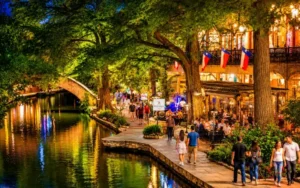
Annecy, France
While it’s synonymous with its renowned lake, Annecy also has charming waterways running through the old town area. This distills the atmosphere, which sets the city apart from the more touristy places.
The buildings are brightly colored, the streets are pedestrian-friendly, and the cafés are located along the water’s edge. Boating, cycling, local food, and culture are all popular activities year-round on the lake.
The city of Annecy exemplifies what water-based urban design can achieve in terms of a memorable visitor experience and strengthening the local economy.
Exploring Emerging Waterfront Communities
All over Europe, smaller cities are increasingly using their rivers as strategic assets. These sites may have:
- Lower visitor density
- Strong local culture
- More affordable to tourists
- Improved environmental quality
- Expanding business opportunities
- Enhanced public infrastructure
These benefits continue to draw in tourists seeking more than the usual vacations.
Ghent, Belgium
Ghent combines the old with the new in an extraordinary way. The city is located at the junction of rivers and canals, and has succeeded in revitalizing its waterfront whilst maintaining its historical character.
They can enjoy castles, museums, restaurants, and beautiful rivers and waterways without the extreme crowds that can be found in larger cities. The city has been recognized worldwide for its sustainability efforts and urban development.
Rea Also: Things to Do in Los Angeles With Kids – Complete Family Travel Guide
Understanding Regional Development Trends
River destinations, however, are closely linked with regional development strategies. More and more municipalities see the importance of combining ecological responsibility with economic growth.
There are several commonalities:
- Sustainable infrastructure investment
- Public waterfront access
- Heritage preservation
- Tourism diversification
- Community engagement
- Environmental restoration
Such measures contribute to the long-term sustainability of the area, as well as improving visitors’ experiences.
The Growing Appeal of Scenic River Corridors
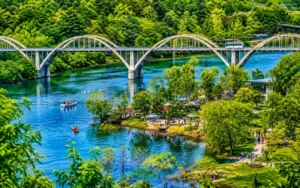
Today, tourists want to visit places that allow them to experience more of the culture and scenery of the area. These objectives are naturally achieved within river corridors, which combine natural beauty with historical significance.
Numerous villages located on major waterways have turned into hubs for recreation, culinary arts, arts, and business. They offer a wide range of experiences in small geographic regions, which is especially desirable.
Practical Travel Considerations
When considering a river destination, travelers should consider:
- Seasonal weather conditions
- Local transportation options
- Accommodation availability
- Cultural events calendar
- Outdoor activity opportunities
- Regional accessibility
There are numerous factors to research to ensure that you optimize your travels without any surprises.
Conclusion
Some of the lesser-known rivers of Europe have great alternatives to the tourist centres. They blend together a mix of heritage, culture, recreation, and economic energy, all of which provide memorable and authentic experiences. From medieval river towns to modern waterfront cities, and from new regional centers, visitors can explore the region’s hidden side via the waterway. River-based destinations are sure to grow in importance for future travel in Europe as they remain a key part of investment, sustainability, and community-based development.
Rea Also: Best Hawaiian Island to Visit for Beaches, Luxury, Adventure, and Family Vacations
Frequently Asked Questions
What makes a river destination different from a traditional tourist city?
River destinations tend to focus on waterfront and outdoor activities, local culture, and local community development more than landmark tourism.
Are river destinations suitable for family travel?
Yes. Many offer parks, walking trails, cultural attractions, and recreational activities, which are great for visiting all ages.
Which European rivers have the most scenic towns?
Among the waterways popular for picturesque settlements are the Danube, Rhine, Douro, Loire, and the Elbe.
Are smaller river cities more affordable than major capitals?
Many times, the cost of lodging, meals, and local entertainment is lower than in bigger metropolitan areas.
What activities are common in river-based destinations?
These are among the popular activities, such as cycling, walking tours, river cruises, cultural festivals, boating, and local food experiences.
Can river destinations offer investment opportunities?
Infrastructure upgrades, increases in tourism, and in business development areas draw interest to many developing waterfronts.
When is the best time to visit European river towns?
The early spring and fall are great times to visit for mild weather, limited crowds, and great sightseeing weather.