Touring the Taj Mahal isn’t only a sightseeing trip but additionally a sentimental and cultural experience, which embodies love, heritage, and architectural mastery. It is one of the world’s most famous monuments, which is located in the historic city of Agra and attracts millions of visitors each year from other countries.
So whether you are in the mood for a day trip or a full tour of North India, this comprehensive travel guide from Majista Travels will have you know all about the Taj Mahal – its history, ticket rates, best time to visit, surrounding attractions, and more.
Where Is the Taj Mahal Located?
The city of Agra, located in the Indian state of Uttar Pradesh, is at the heart of the Taj Mahal. It stands gracefully on the bank of the Yamuna River, which adds to its beauty, particularly at sunrise and sunset.
Agra is included within the famous “Golden Triangle Tour” of India, along with Delhi and Jaipur. This is one of the most accessible and popular tourist places in India.
How to Reach the Taj Mahal
- From Mumbai: 1 hour by bus and 1–2 hours by air.
- By Train: Regular trains from Delhi, Jaipur, and other cities
- By Rail: Agra Cantt is the nearest railhead (connected with other trains)
For tourists, a same-day Delhi–Agra trip is the best option as their connecting highway is excellent.
History of the Taj Mahal: The Love Behind the Monument
The Love Behind the Monument is a book on the history of the Taj Mahal. Love Behind the Monument is a book about the Taj Mahal’s history.
The Taj Mahal is among the best symbols of love ever created. It was commissioned by Mughal Emperor Shah Jahan in memory of his beloved wife Mumtaz Mahal.
This white marble tomb is an expression of the supreme act of love and architectural perfection in the 16th century, when it was built during the rule of the Mughal emperors.
The Story Behind It
Shah Jahan was very sad when Mumtaz Mahal died. He erected a monument to her memory, which would endure forever. In the end, what was produced was a masterpiece, the Taj Mahal, which took more than 20 years to build.
It is now not only a tomb but also a symbol of love and devotion throughout the world.
Architecture of the Taj Mahal
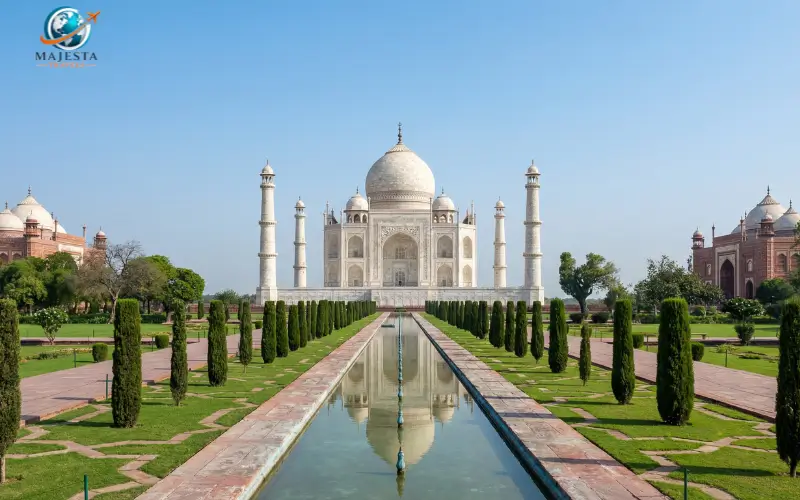
The Taj Mahal is a magnificent example of Mughal architecture, a blend of Persian, Islamic, and Indian architecture.
Key Architectural Features:
- Built with pure White marble
- Ideal symmetry in construction.
- A central dome with four minarets surrounding it.
- Beautiful carvings with floral motifs and Arabic calligraphy.
- Mirror-like visuals of creating pools
Charbagh Gardens
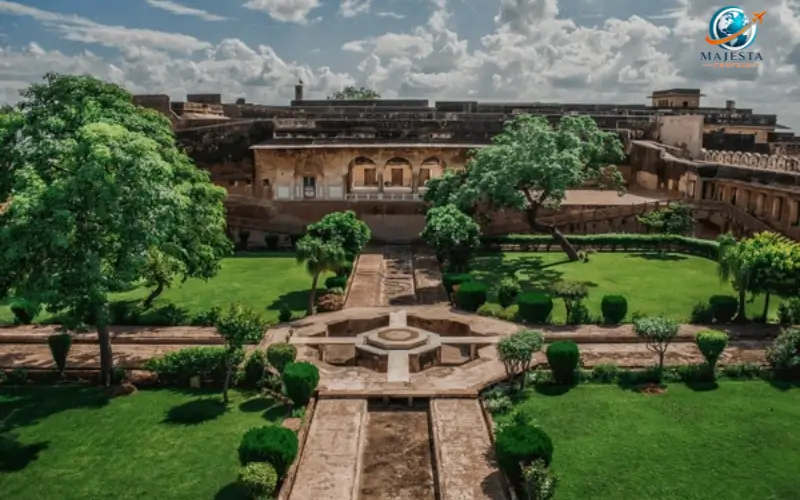
The surrounding gardens are of the Persian style “Charbagh”, symbolizing paradise. The design involves dividing the space into four symmetrical sections, further enriching the spiritual significance of the monument.
Travel Tip: The best views of the reflections in the water channels are found when visiting early in the morning.
Taj Mahal Entry Ticket, Timings & Booking
Tickets are required for entry to the Taj Mahal; they are based on nationality and type of entry.
Ticket Price Overview
- Indian visitors: Lower entry fee
- Foreign visitors: Increased admission charge
- There is an extra fee for access to the mausoleum.
Opening Hours
- Open: Sunrise to Sunset
- Closed: Every Friday
Booking Options
- On-site ticket counters
- Acquiring reservations online for quicker access.
- Guided tour packages available
The ticketing system assists in the control of the crowd, particularly on holidays when the tourist numbers are high.
Read Also: Sensō-ji Temple Tokyo
Best Time to Visit the Taj Mahal
The right time can make all the difference.
Sunrise Visit (Highly Recommended)
The best time of day to visit is the early morning. The soft golden light enhances the white marble, making it glow beautifully.
Best Season
- From October to February (Winter season)
- Suitable weather and visibility conditions.
Night View (Limited Access)
Special night viewing is available on certain full moon evenings for a unique and quiet experience.
Night View (Limited Access)
Visiting the Taj Mahal isn’t merely an experience of sight; it’s an experience.
Things to Do at the Taj Mahal
Taj Mahal looks completely different at sunrise.
Best Sunrise View of the Taj Mahal
The early morning light slowly falls on the white marble and produces a soft golden glow, almost as though it were a dream. This is the quietest period to visit the monument, where the crowds are less and the atmosphere more serene and reflective, allowing visitors to truly enjoy the beauty that surrounds them.
The other great time for photoshoots is at sunrise since there is natural, balanced lighting available. The reflection of the Taj in the water channels is clearer, making it the ideal frame for travel photos. This is the most enchanting period in which travelers think of it.
Top Photography Spots Inside the Taj Mahal
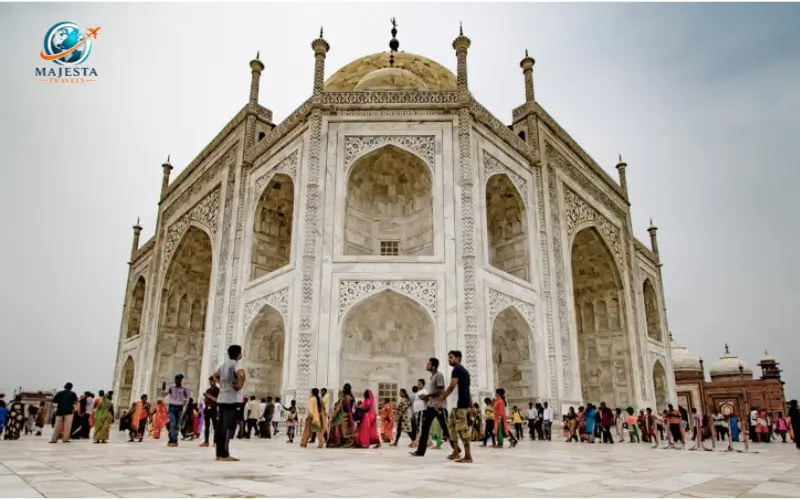
One of the major attractions of the Taj Mahal is photography in the Taj Mahal complex. Each angle provides a different view, everything from a symmetrical shot of the main gate down to close-up shots of marble details.
The best pictures are taken from the central walkway, where the monument looks like it is perfectly aligned. Also, there are good composition shots in the side angles close to the minarets. Every corner provides a postcard-like scene, whether you’re a professional photographer or a traveler.
Walk Through the Mughal Gardens (Charbagh Experience)
The gardens of the Taj Mahal are laid out in the classical Mughal style “Charbag, ” which means paradise in Islamic Architecture. As you stroll through these gardens, you are given a slow and relaxed travel experience from the busy entrance area.
The two-way streets are straight and lined with fountains and plants. This gentle stroll enables visitors to appreciate the harmony and the devotion to a spiritual purpose that are embodied in the design.
Discuss the primary mausoleum architecture with students. Talk with students about the primary mausoleum architecture.
Explore the Main Mausoleum Architecture
The attention to detail within the central structure is amazing. Fine marble inlay work adorns the walls, as well as floral patterns and intricate calligraphy. All of the design elements are precise and artful.
The inner space is calm and sincere, evoking a stronger emotional response to the history surrounding the monument. This is where the tale of love between Mumtaz Mahal and Shah Jahan is at its best.
Capture Reflection Views from the Yamuna River Side
One of the best views of the Taj Mahal is from the back side, which is located near the Yamuna River. From here, you can observe the reflection of the structure in the water,r particularly during sunrise and sunset.
This angle has less fringing edge, and it’s great for quietly taking photos. This is a popular place to take landscape photographs and natural reflections of the white marble building.
Enjoy a Peaceful Walk Around the Complex
Strolling around the complex of the Taj Mahal allows you to appreciate its size and beauty. The pathways are well-maintained, and there is a different view in each direction.
The slow exploration allows visitors to appreciate the architectural balance and the symmetry that is the hallmark of Mughal design. It’s also a superb approach to free yourself from the crowd and luxuriate in a peaceful travel time.
Hire a Local Guide for Taj Mahal History Tour
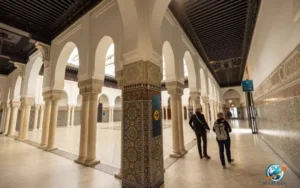
It can really enhance your experience to get a local guide. The architecture is described in terms of its history, hidden features, and symbolism.
They also relate less-known stories of the Mughal history, construction, and craftsmanship. This is an educational and memorable trip.
Experience the Calm Early Morning Atmosphere
The dawn time at the Taj Mahal is very different from the daytime. The air is fresh, the crowd is very small, and the environment is quiet.
The tranquil setting enables the monument to touch visitors’ hearts. It’s the perfect time for reflection, photo-documenting, and for gentle and unhurried exploration without distractions.
Visit the Mosque and Guest House Area
On both sides of the Taj Mahal, there are two red sandstone buildings—a mosque and a guest house. Such structures have been designed to achieve symmetry and architectural balance.
The mosque is still used for the performance of prayers; the historic guest house has been used by visiting royals. The buildings contribute to the cultural richness of the overall site, reflecting the Mughal emphasis on harmony in design.
Evening Light & Shadow Photography Experience (Outer View)
The Taj Mahal is a place of beauty in the evening, when the sun is soft and the shadows longer. The surrounding and outer gardens are perfect for photography.
Entry is at sunset, but the exterior viewpoints offer great photographing. The blend of shimmering light and white marble produces a film-like ambiance on the journey.
Nearby Attractions in Agra
There are several historical monuments available in Agra that can be visited along with the Taj Mahal.
Agra Fort
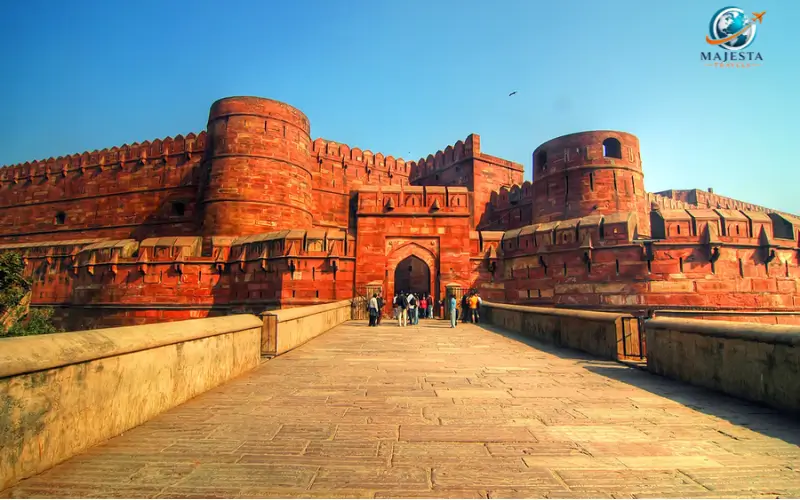
A Red Sandstone building and a Royal Mughal history UNESCO World Heritage site.
Mehtab Bagh
Ideally suited garden spot across the river from sunsets on the Taj Mahal.
Itmad-ud-Daulah’s Tomb
The “Baby Taj” is also known for its fine marble art.
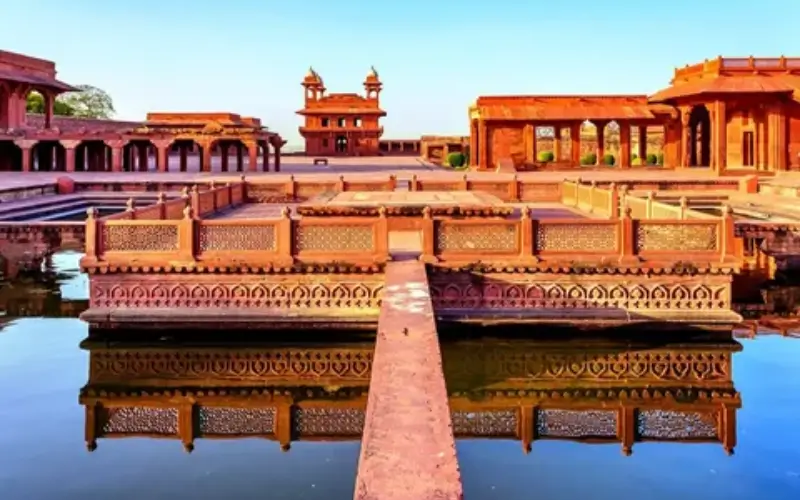
Fatehpur Sikri
A historical city of the Mughals, near Agra, with a rich architectural heritage and history.
Travel Tip: These sites can all be seen as part of a 1–2 day tour of Agra.
How to Plan Your Taj Mahal Trip
A well-planned trip means a smooth trip.
From Delhi
Delhi is the first hub as it is the nearest. Fast and comfortable travel on the Yamuna Expressway.
By Train
There are several trains that run between Delhi and Agra every day on the Indian Railways.
By Air
Most international passengers land at Delhi airport, as there are fewer flights available at Agra airport.
Why the Taj Mahal Is a UNESCO World Wonder
This is because the Taj Mahal was built by them. They built the Taj Mahal, and that is why it is a UNESCO World Wonder.
It is considered:
- A symbol of everlasting love.
- A wonder of Mughal architecture.
- One of the Seven Wonders of the World.
It is a place that is recognized around the world and is considered among the world’s most searched travel destinations.
Travel Tips for Visitors
If you want to have a hassle-free and fun trip, here are the tips to help you do so:
- Show up early to get away from the crowds
- Have an ID card that is acceptable for ticket entry.
- Footwear should be comfortable to wear for walking.
- Take a tour with a local guide for more in-depth history
- Try to avoid peak afternoon temperatures.
Pro Tip: Photography conditions are best on a sunrise visit, and it’s not as crowded.
Conclusion
The Taj Mahal is not just a monument; it’s a timeless masterpiece, a fusion of love, history, and architectural brilliance. The Taj Mahal remains a popular tourist destination worldwide and has been featured in numerous films and books.
This wonder will give you great memories, whether you love history, or just photography, or plain travelling.
To enjoy the experience, book an early tour at the fort, visit the various attractions,s and spend time appreciating the beauty of Agra.
You Also Like:
Times Square New York
Louvre Museum | Complete Travel Guide to Paris’s World-Famous Museum
Annecy France | Complete Travel Guide to the Venice of the Alps
Dubai Marina Travel Guide: Luxury Waterfront, Beach, Cruises, Hotels & Dining
Frequently asked questions
Who built the Taj Mahal?
It was built by Mughal Emperor Shah Jahan in memory of Mumtaz Mahal.
Why is the Taj Mahal renowned?
This is renowned for its love story, white marble architecture, and its UNESCO designation.
Does Taj Mahal open daily?
Open daily (with the exception of Friday).
How long does it take to see?
Visiting the site will take approximately 2-3 hours.
Are there any hours of the day when we can come?
The night view is possible only on some full moon nights.