Few trips are like scuba diving in the Great Barrier Reef. This natural wonder is located along the coast of Queensland, Australia, and spans over 2,300 kilometers, making it the world’s largest coral reef system and one of the most spectacular underwater destinations for divers of all skill levels.
From your initial introduction to the world of diving to being an expert diver looking for the best reef walls, coral gardens, and encounters with amazing marine life, the Great Barrier Reef is full of unique underwater adventures.
Each dive offers a new facet of Australia’s underwater wonderland, from the colorful reefs around Cairns to the little-known Ribbon Reefs and legendary Cod Hole. From the best dive spots to scuba diving with the Great Barrier Reef’s marine life to travel tips, dive costs, and the best time to visit, this is the Great Barrier Reef scuba diving guide for you.
Why the Great Barrier Reef Is One of the World’s Best Diving Destinations
One of the world’s best scuba diving sites is the Great Barrier Reef. It is made up of thousands of individual reefs, hundreds of coral islands, and countless underwater ecosystems teeming with extraordinary marine biodiversity.
It’s the diversity of experiences that makes this diving place special. The area offers shallow coral gardens, dramatic drop-offs, underwater caves, drift dives, and deep reef walls.
Highlights include:
- Crystal-clear tropical waters
- Diverse marine ecosystems
- Over 1500 species of fish
- More than 100 strains of coral.Over 100 varieties of coral.
- The oceanic turtles, manta rays, and the reef sharks.
- Dive sites for beginners and advanced divers.
Extraordinary seascape shots.Unusual underwater photo opportunities.
For so many tourists, a trip to the Great Barrier Reef is a goal to check off on their bucket lists, an experience of adventure, nature, and awareness of conservation all wrapped in one.
Where Is the Great Barrier Reef?
The Great Barrier Reef stretches from near the north of Cape York to near Bundaberg, Queensland, off Australia’s northeast coast.
It is an immense reef that can be seen from the International Space Station, and it covers an area of about 344,400 km².
Big cities to visit are:
- Cairns
- Port Douglas
- Airlie Beach
- Townsville
- Whitsunday Islands
- Lady Elliot Island
- Heron Island
The majority of diving trips from both Cairns and Port Douglas leave from these locations as they offer convenient access to some of the most renowned diving sites on the reef.
Must Visit: Split Croatia Travel Guide – Best Things to Do, Beaches, Food & Travel Tips
Best Places for Scuba Diving in the Great Barrier Reef
Cairns
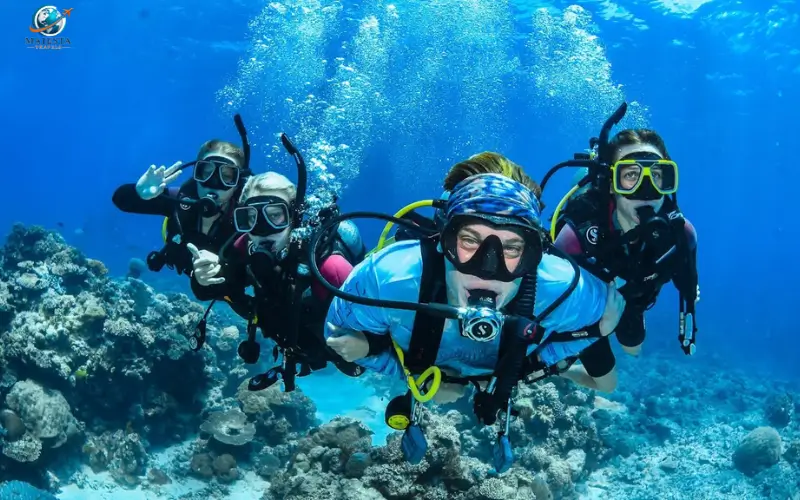
Cairns is regarded as the Scuba Diving Capital of Australia. It is the primary departure point for many reef trips, liveaboards, and certification courses.
Why divers love Cairns:
- Use of outer reef sites is easy.
- There is a wide selection of dive operators. Dive operators are plentiful.
- Affordable diving packages
- For the beginner and advanced.
- Excellent tourism infrastructure
Flynn Reef, Milln Reef, Saxon Reef, and Hastings Reef are popular reefs from Cairns.
Port Douglas
Port Douglas is more laid-back and luxurious, and also has access to some of the healthiest parts of the reef.
Benefits include:
- Reduced travel times to Agincourt reef
- Luxury diving experiences
- Boutique resorts
- Exceptional visibility
Port Douglas is often paired with rainforest experiences in the area for an ideal Queensland holiday.
Ribbon Reefs
The Ribbon Reefs are located in the northern part of the Great Barrier Reef and are known for their beautiful and unspoiled coral reefs and rich marine life.
The remote reefs are typically accessible by liveaboard and are some of Australia’s most interesting dives.
Cod Hole
Cod Hole is one of the reef’s most popular dive locations with giant potato cod that are known to play with divers. This is a favored spot for underwater photographers, especially for close-up shots of marine wildlife.
Best Dive Sites in the Great Barrier Reef
The Great Barrier Reef is one of the world’s most popular dive sites, with thousands of individual reefs and numerous dive sites scattered throughout. Each dive site provides a different underwater experience, from shallow coral gardens teeming with tropical fish to deep reef walls that are full of sharks and manta rays. From the novice wisher for a tranquil dive to the advanced one hating mundaneness, the reef has a lot for all of them.
Agincourt Reef
Agincourt Reef is one of the most popular and accessible dive sites in the Great Barrier Reef, off the coast of Port Douglas. It is one of the finest snorkeling and scuba diving spots in Australia, and is renowned for its stunning coral reefs and clear waters.
The underwater visibility is one of the main attractions of Agincourt Reef, allowing for stunning views of the colorful coral gardens and marine life. The reef features vibrant hard and soft corals that make for a beautiful underwater scene, perfect for photographers and nature lovers alike.
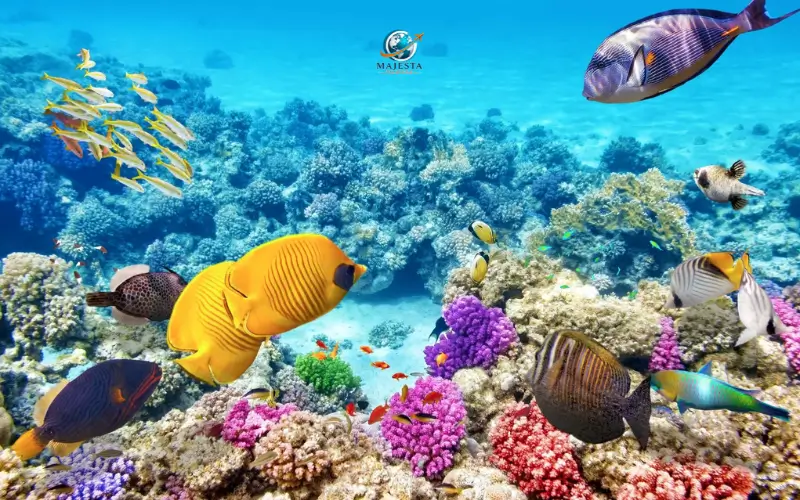
Divers can find many species of marine life; clownfish, butterflyfish, angelfish, giant clams, and sea turtles are commonly seen. Agincourt Reef is a great reef for beginners and first-time divers, due to its relatively easy dive conditions and shallow waters. The area also offers great snorkeling, as there is good surface activity of the reef’s diverse flora and fauna.
Flynn Reef
There are also several other amazing dive sites around the outer Great Barrier Reef, such as Flynn Reef. This reef is located close to Cairns and is renowned for its varied underwater landscape, vibrant coral structures, and rich marine life.
The reefs at Flynn Reef offer divers the chance to experience coral walls, swim-throughs, and reef slopes full of life. The reef’s excellent coral cover means there are numerous species of tropical fish in every dive, making them a visual feast. The schools of fish swim with ease, and wherever possible, reef sharks and turtles will make an appearance.
The reef’s excellent visibility and the variety of marine life make it a popular spot for underwater photography. The reef’s shallow coral gardens are also perfect for snorkelers and are a great spot for divers to join people who don’t dive.
Milln Reef
Milln Reef is one of the most famous dive sites near Cairns. The healthy coral systems, peaceful waters, and rich marine diversity make it a favorite for thousands of visitors annually.
Few trips are like scuba diving in the Great Barrier Reef. This natural wonder is located along the coast of Queensland, Australia, and extends over 2,300 kilometers, making it the world’s largest coral reef system, as well as one of the most spectacular underwater destinations for divers of all skill levels.
From your initial introduction to the world of diving to an expert diver looking for the best reef walls, the best coral gardens, and the best encounters with amazing marine life, the Great Barrier Reef is full of unique underwater adventures.
Each dive offers a new facet of Australia’s underwater wonderland, from the colorful reefs around Cairns to the little-known Ribbon Reefs and legendary Cod Hole. From the best dive spots to scuba diving with the Great Barrier Reef’s marine life to travel tips, dive costs, and the best time to visit, this is the Great Barrier Reef scuba diving guide for you.
Osprey Reef
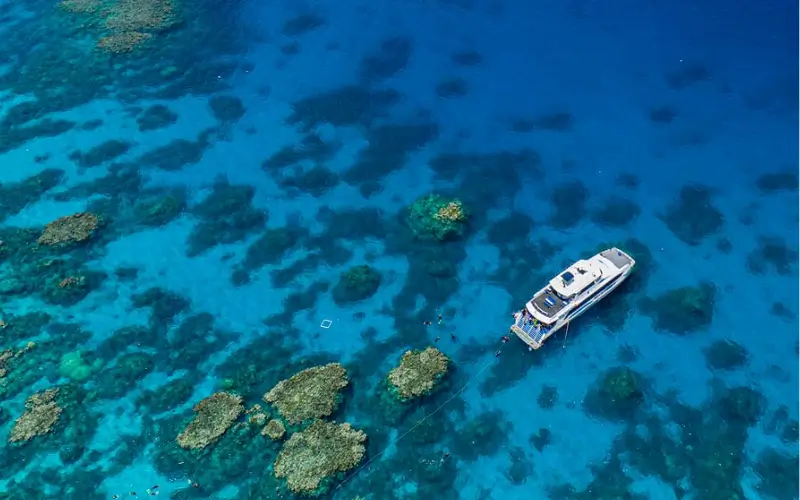
Osprey Reef may be one of Australia’s best diving spots for advanced divers wanting more adventure. This secluded location is beyond the outer Great Barrier Reef in the Coral Sea, boasting spectacular underwater scenes and unmatched marine experiences.
Osprey Reef is unique for its steep underwater cliffs, deep walls, and dramatic drop-offs that plunge into the ocean depths. The distinct geological features provide an exploratory and adventurous experience, unlike any other location.
Osprey Reef is known for its abundance of sharks. Grey and whitetip reef sharks, and sometimes larger pelagic species, are common sightings for divers. Osprey Reef is one of Australia’s most popular shark diving sites and draws world-class divers.
The reef is located in an isolated area which helps to preserve its pristine condition and high biodiversity. The area is also a popular spot for large schools of fish, manta rays, and other pelagic species to pass through, providing exciting opportunities for underwater encounters. Osprey Reef is a relatively deep reef (11 to 30 meters) with strong currents, recommended for certified and advanced divers.
Steve’s Bommie
With its impressive features and vibrant marine diversity, Steve’s Bommie is a dream destination for divers, underwater photographers, and lovers of the ocean.
This extraordinary site is a large coral pinnacle that rises above the seabed and is encircled by a multitude of soft corals, sea fans,s and marine life in colour. This edifice is a place of remarkable density of marine life, so that the diving experience here is one of the most biodiverse around.
Schools of barracuda, trevally, snapper, er, and other reef fish are common to be visited by divers exploring Steve’s Bommie. Other regular visitors include turtles, reef sharks, and giant groupers. It’s also a place of abundance, with a lot of life, and has some colourful coral displays,s which make it one of the most photogenic places in Australia.
Each of the bommies has something unique to explore, from a secret nudibranch, a collection of fish swimming around the reef, or colorful coral structures bathed in sunlight filtering through the water.
You Also like:
Best Hawaiian Island to Visit for Beaches, Luxury, Adventure, and Family Vacations
Marine Life You Can See While Diving
The main attraction for travelers to the Great Barrier Reef for scuba diving is the amazing marine life. Throughout the year, the reef is home to one of the world’s most diverse marine ecosystems and provides opportunities for seeing some of the world’s most incredible wildlife.
Sea Turtles
One of the most popular inhabitants of the Great Barrier Reef is the sea turtle. Seabirds, in particular, are often seen by divers in coral gardens and reef slopes, including green sea turtle, hawksbill turtle, and loggerhead turtle.
They swim gracefully and unobtrusively through the water and are typically not bothered by the presence of divers nearby. One of the most unforgettable experiences of the reef is to see a sea turtle gliding above the colorful coral formations.
Reef Sharks
Reef sharks are not aggressive, and are often placid and calm around divers. Commonly seen are whitetip reef sharks, blacktip reef sharks, and grey reef sharks.
These important predators play a vital role in the ecological balance of the reef ecosystem. The sight of a shark cruising a reef is a great moment for divers, and a reminder of the good health of the marine environment under the sea surface.
Manta Rays
Manta rays are one of the Great Barrier Reef’s most majestic creatures. They have very large wingspans and their movements are graceful, making them unmissable to view underwater.
While hunting for plankton, these gentle giants can easily glide through the water. They are intelligent and curious, which makes them approach divers on occasion, thus creating magical moments that are hard to forget.
Tropical Fish
Thousands of colorful fish species inhabit the reef, adding a sense of life to its underwater environment. Clownfish are often found hiding in the sea anemone, vibrant butterflyfish, angelfish, parrotfish and surgeonfish are accustomed to the divers.
The action and colour of these tropical fish add to the splendor of every dive.
Giant Clams and Humphead Wrasse
The giant clam enhances the beauty of the reef. They are popular subjects for photography due to their iridescent colour and amazing size.
The humphead wrasse is another iconic species, being one of the largest reef fishes in the world. It is a favorite among divers who explore the Great Barrier Reef, because of its unusual and interesting appearance.
Scuba Diving for Beginners and Certified Divers
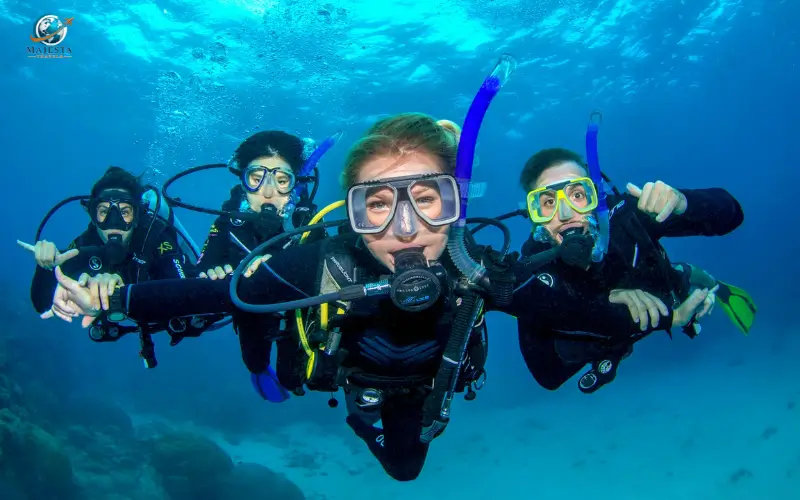
The best thing about the Great Barrier Reef is that it has something to offer for all divers, no matter their experience level. Introductory diving programs allow beginners to experience diving without certification; these programs provide professional instruction, briefing, equipment hire, and guided diving sessions underwater.
Discover Scuba Diving experiences offer first-time divers the chance to safely experience breathing underwater with the support of certified diving instructors. This is where many tourists make their initial scuba diving experiences, and fall in love with it.
Liveaboard Diving Adventures
Liveaboard diving is the ultimate trip to the Great Barrier Reef for serious scuba divers.
What Is a Liveaboard?
A liveaboard is a vessel in which guests board for a few days to explore remote reef locations.
Advantages include:
- More dives per day
- Access to remote reefs is limited.
- Improved experience of marine life
- Sunrise and sunset dives
- Night diving opportunities
Liveaboard trips are considered by many divers to be the best way to experience the most pristine environments on the reef.
Best Time to Dive the Great Barrier Reef
The Great Barrier Reef can be visited year-round, but conditions vary throughout the year.
June to October
The best diving season is generally between the following months due to:
- Comfortable temperatures
- Excellent visibility
- Lower humidity
- Calm weather conditions
November to May
During these months, visitors can enjoy:
- Warmer water temperatures
- Rich marine activity
- Less crowd at some places
Whale Season
From June to September, migrating humpback whales can be observed in some places.
Manta Ray Season
Manta rays can be seen around island reefs and at cleaning stations throughout the year.
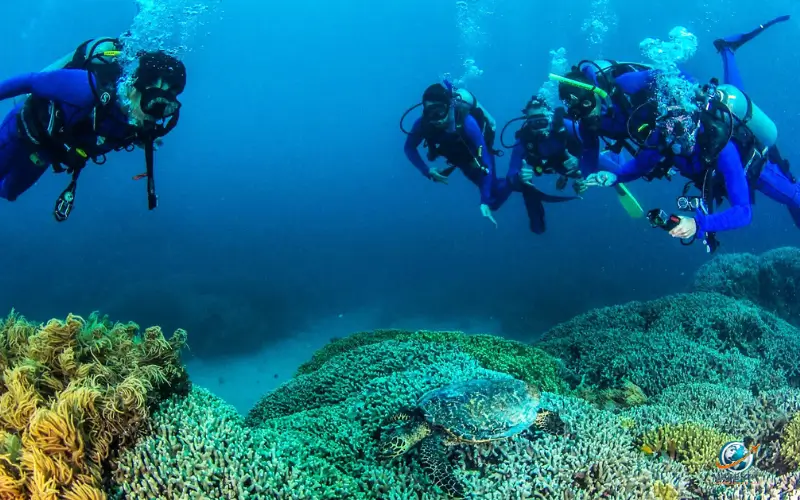
Underwater Photography Opportunities
One of the world’s great destinations for underwater photography is the Great Barrier Reef.
Popular photography subject matter:
- Coral gardens
- Sea turtles
- Reef sharks
- Manta rays
- Macro marine life
- Colorful reef fish
Tips for photographers:
- If possible, use daylight to light up the area.
- Maintain buoyancy control
- Avoid touching coral
- Bring additional memory cards and batteries.
There are several liveaboard trips dedicated to the underwater photographer.
Scuba Diving Safety Tips
Safety is paramount for a great and successful diving experience in the Great Barrier Reef. By abiding by basic scuba diving rules, you will make it safer for you and the reef system.
Follow Your Instructor’s Guidance
Pre-dive briefings are always a good reason to listen and follow the directions given by your dive guide and/or instructor, whether you are a novice or an expert. They know the area well and are able to guide you through safely.
Check Your Equipment
Before getting in the water, check all diving equipment for correct operation, including:
- Regulator
- Buoyancy Control Device (BCD)
- Air tank
- Dive computer
- Mask and fins
An equipment check can avert problems at the dive.
Monitor Your Air Supply
Record air pressure on the air gauge at regular intervals during the dive and share information with the dive buddy about the air pressure remaining. Air management is one of the most critical component areas of scuba diving safety.
Stay Within Your Limits
Never dive beyond certification, experience, and comfort levels. Don’t dive deeper than the recommended depth or do any dives that are beyond your training level.
Respect Marine Life
Keep a distance from the marine animals and do not touch the coral reefs or the animals. Responsible interactions keep the reef safe and help to make diving a safer experience.
Sustainable Diving and Reef Conservation
While the Great Barrier Reef is the world’s most valuable marine ecosystem, it has many serious problems,s including coral bleaching, climate change, pollution, and more. Responsible tourism and sustainable diving practices are key elements of the conservation of this natural wonder.
Sustainable Diving Practices
All divers can make a difference by working to minimize environmental impact, with these simple rules:
- Do not touch or stand on coral.
- Maintain proper buoyancy control.
- Do not feed seabirds, marine mammals, ls, or fish.
- Use reef-safe sunscreen
- Select dive companies that are environmentally certified.
- Don’t gather shells or seashell souvenirs.
The key is that these little things can have a big impact on maintaining the health of reefs.
Why Reef Conservation Matters
A healthy coral reef offers many environmental and economic advantages, such as:
- Supporting marine biodiversity
- Defending the shorelines against erosion.Defending against the erosion of coasts.
- Maintaining local economies is the industries
- Supporting research and teaching in the fields of science and education.
- Creating thousands of habitat opportunities for marine species.
Responsible scuba divers and conservation activities will help ensure that the Great Barrier Reef can continue to be one of Australia’s most spectacular natural attractions for generations to come.
How Much Does Great Barrier Reef Scuba Diving Cost?
The rates are based on the experience.
Typical costs include:
Introductory Diving
- Affordable entry-level option
- Contains equipment and directions.
Certified Diver Day Trips
- Multiple dive opportunities
- Equipment rental available
Liveaboard Trips
- Higher investment
- Multiple days of diving
- The accommodation and meals are covered.
Certification Courses
- Open Water courses
- Advanced certifications
- Specialty diving programs
Prebooking can often offer better availability and rates.
What to Pack for a Great Barrier Reef Diving Trip
Essential items include:
- Swimwear
- Reef-safe sunscreen
- Sunglasses
- Hat
- Waterproof bag
- Underwater camera
- Reusable water bottle
- Travel insurance documents
Personal equipment, like masks and a dive computer, is also allowed to be brought by certified divers.
Great Barrier Reef Scuba Diving vs Snorkeling
One of the questions that many travelers ask themselves is whether to go scuba diving or snorkeling.
Scuba Diving
Advantages:
- Dive into deeper reef areas
- Increasing interactions with marine life.Greater interactions with marine life.
- Longer underwater experiences
Being able to dive in more advanced locations.Advanced dive sites.
Snorkeling
Advantages:
- No certification required
- Suitable for all ages
- Lower cost
- Easy introduction to reef exploration
Many visitors prefer to participate in both at the same time during their trip.
Conclusion
Scuba diving in the Great Barrier Reef is one of the most amazing experiences in Australia. Every dive is an amazing experience, from vibrant coral gardens to crystal-clear waters to meetings with sea turtles, manta rays, and reef sharks.
From a day trip from Cairns, to a luxurious tour from Port Douglas, to a liveaboard tour to the Ribbon Reefs and Cod Hole, the Great Barrier Reef will provide you with a lifetime of memories.
There’s nothing like diving Australia’s Great Barrier Reef to experience adventure, natural beauty, marine biodiversity, and world-class underwater exploration.
Relevant Blogs:
Romantic Places in Colorado – Best Romantic Getaways for Couples
Best National Parks in California for Nature Lovers and Adventure Travellers
Sydney Skyline Travel Guide
Frequently Asked Questions
Is the Great Barrier Reef good for beginner divers?
Yes. Many operators offer beginner-friendly classes or introductory dives to help novices get started.
Do I need certification?
There is no certification necessary for introductory experiences in scuba diving with professional supervision.
What marine animals can I see?
Seas turtles, reef sharks, manta rays, giant clams, tropical fish, and occasionally whales are found.
Is scuba diving safe?
Yes. When diving with certified diving operators and safety procedures, diving is very safe.
What is the best month to visit?
The best visibility and weather will be from June through October.
Are liveaboard trips worth it?
For those who love diving, liveaboards offer the opportunity to dive in locations away from the tourist trails and offer much greater opportunities to dive.